
Wireless RFID Readers in Supply Chain Management
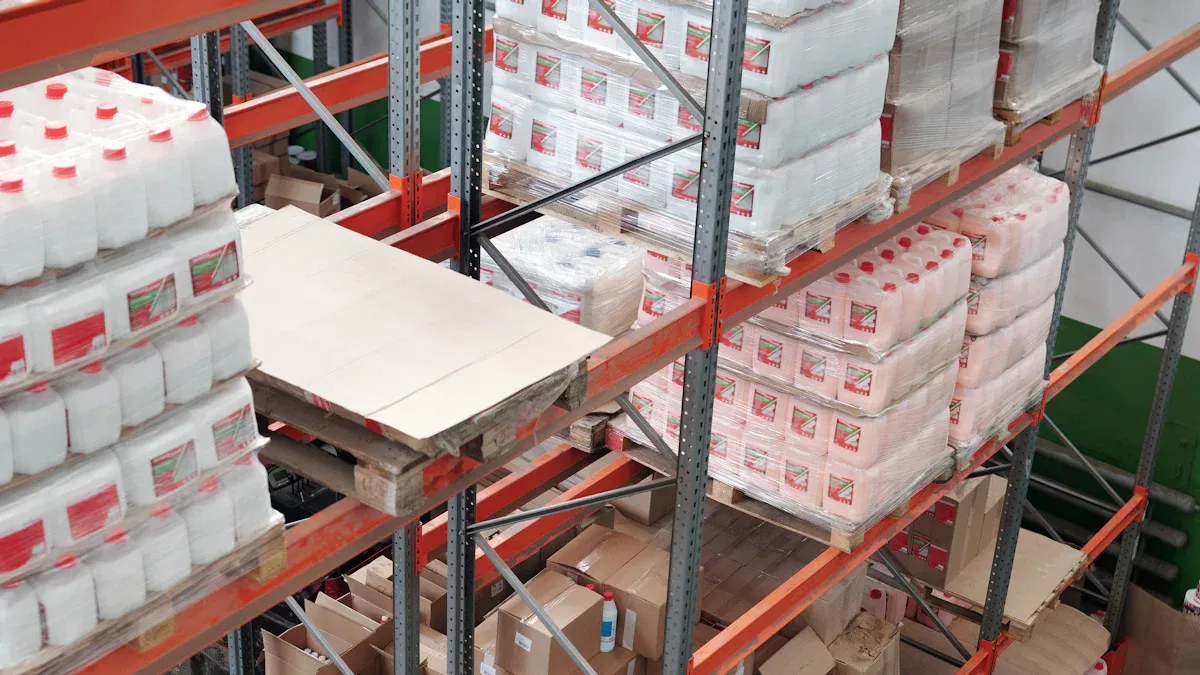
You see wireless rfid readers are changing supply chain management. These devices give you information right away and help with tracking. Wireless rfid readers help you see your inventory and assets better. You can watch items as they move, which lowers mistakes and makes things safer. Wireless rfid readers make managing assets easier and faster. This technology helps people see what is happening in many industries. The table below shows how wireless rfid readers help with seeing and working better in retail, healthcare, logistics, and manufacturing.
Application Area | Impact on Supply Chain Management Efficiency |
|---|---|
Retail | Makes work better by helping with smart inventory and giving data right away. |
Healthcare | Helps track and watch things, so resources are used better and there are fewer mistakes. |
Logistics and Transport | Lets you track goods right away, so you can see more and make better choices, which saves money. |
Manufacturing | Makes production faster, cuts down on waiting, and helps check quality by tracking assets well. |
Wireless rfid readers let you see each item and track them right away. You get more control over your assets and can see your supply chain better.
Key Takeaways
Wireless RFID readers give data right away. This helps track and manage inventory better.
These devices scan many tags at once. This makes tracking more accurate and lowers mistakes from people.
RFID technology does inventory work automatically. It saves time and money and makes things run smoother.
Using RFID can save a lot of money. It stops theft and helps use resources in the best way.
Picking the right RFID tags is very important. Active tags are good for expensive or moving items. Passive tags are best for things that stay in one place.
Training often and checking the system keeps RFID working well. This also keeps the data correct.
Tracking in real time with RFID lets businesses act fast. They can handle changes in inventory and what customers want.
Start using RFID in steps. This keeps things running and lets you get feedback to make it better.
Wireless RFID Readers Overview
RFID Technology Basics
Wireless Communication
You use wireless technology every day. In supply chain management, it works in a special way. RFID uses radio waves to send information. RFID readers do not need to touch or see items. The readers send signals to RFID tags on your assets. These tags answer with their own information. This gives you real-time data about your inventory. You can track items as they move. Wireless communication makes your work faster and more accurate. You do not have to scan each item one by one. You can read many tags at the same time. You can even read tags inside boxes or out of sight.
RFID Tag Types
There are different types of tags in RFID technology. Each tag has a job to do. Some tags are passive. They do not have their own power. They get energy from the RFID reader’s signal. These tags work for short distances. Other tags are active. They have their own battery. These tags can send signals farther. There are also semi-passive tags. These tags have a battery, but only use it to help the chip work. They do not use the battery to send signals. You pick the right tag for what you need to track. For example, you might use active tags for expensive equipment that moves a lot. You might use passive tags for things that stay in one place.
Tip: When you choose tags, think about how far you need to read them and how often you need updates.
Core Functions in Supply Chains
Contactless Identification
RFID gives you contactless identification. You do not need to touch or see the tags. This makes your job easier and keeps your hands free. You can identify many items at once. This is much faster than using barcodes. RFID readers scan all the tags in an area in seconds. You save time and make fewer mistakes. You can also use RFID for access control. Only people with the right tags can go into certain areas. This keeps your assets safe.
Real-Time Data Capture
RFID gives you real-time data. You always know where your items are. You can see when something enters or leaves your warehouse. You can check product conditions, like temperature, with special tags. Real-time data helps you make better choices. You can find problems before they get worse. For example, you can catch packing or shipping mistakes before items leave your building.
Here is a table that shows the main parts of RFID readers and how they work together to give you real-time data:
Component/Principle | Description |
|---|---|
Microcontroller/Processor | Controls what the RFID reader does. |
RF Module | Handles radio frequency communication. |
Power Supply Circuit | Gives power to the reader. |
Antenna Driver Circuit | Sends and receives signals with the antenna. |
Data Communication Circuit | Shares data between the reader and other systems. |
Signal Modulation | Changes signals for better sending. |
Power Amplification | Makes signals stronger. |
Signal Reception and Filtering | Gets and cleans up signals. |
Data Processing | Works with the data that comes in. |
Error Detection | Finds and fixes mistakes in data. |
Anti-Collision | Stops signals from getting mixed up. |
Environmental Adaptability | Helps the reader work in different places. |
With RFID, you can track inventory, watch product conditions, and control access. You get correct and current information at every step. This helps you manage your supply chain with confidence.
RFID Inventory Management Benefits
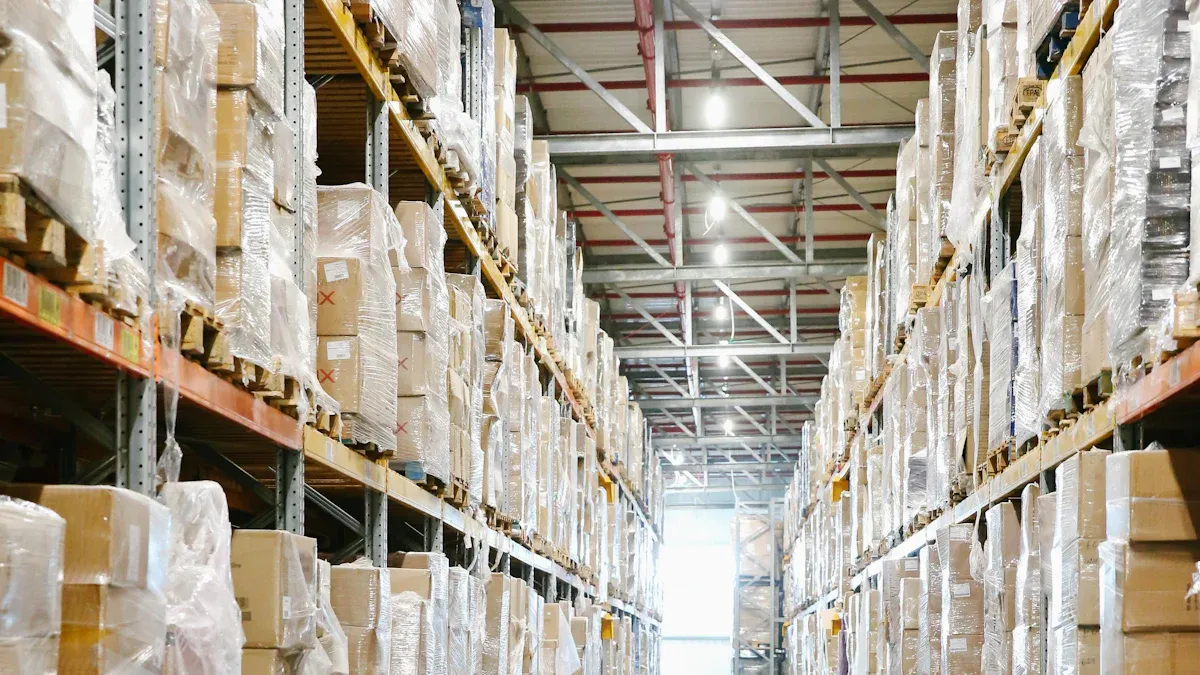
Real-Time Data and Tracking
Asset Location Updates
It is important to always know where your assets are. RFID inventory management helps you do this. Each item gets its own tag with RFID technology. When items move in your warehouse, wireless RFID readers scan the tags. You can see where every asset is right away. This helps you find tools, equipment, or products fast. You do not have to guess or search for a long time. Real-time tracking keeps your inventory neat and current.
Here is a table that shows how RFID inventory management helps with asset location updates:
Evidence Type | Description |
|---|---|
Real-time location tracking | RFID technology lets you keep scanning assets, so you always know where they are. |
Automated inventory management | Less manual work means fewer mistakes and better use of resources. |
Reduced human errors | Automatic tracking lowers mistakes from typing things in by hand. |
RFID inventory management gives you good asset tracking and better traceability. This helps you run your warehouse smarter and make quick choices.
Movement Monitoring
RFID inventory management lets you watch items as they move in and out. Wireless RFID readers use radio waves to talk to tags. You do not have to scan each item by hand. You get updates every time an item passes a reader. This real-time data helps you see if something strange happens. You can set alerts for special actions, like when expensive things leave a safe area. Movement monitoring with RFID makes it easier to track items and keeps your inventory safe.
Wireless RFID readers use radio waves to talk to RFID tags, so data is collected automatically.
This technology lets you watch inventory in real-time, making tracking more accurate.
RFID readers can scan many tags at once, even if they cannot see them.
Inventory Accuracy
Automated Counting
Counting by hand takes a long time and can be wrong. RFID inventory management changes this. You can count lots of items in just seconds. RFID readers scan all tags in one area at the same time. You do not need to touch or see each item. This makes managing your warehouse faster and more trustworthy. Automated counting means you always know how much stock you have. You can plan better and do not run out of things you need.
Evidence Type | Description |
|---|---|
Fast Scanning | RFID readers scan many tags at once, making inventory checks much faster than old ways. |
No Line of Sight Requirement | RFID can track items even if you cannot see them, so you do not waste time looking for lost things. |
Automated counting with RFID inventory management makes things work better and helps you keep good records.
Error Reduction
RFID inventory management cuts down on mistakes from doing things by hand. You can see your stock levels and where items are in real-time. RFID technology records every move automatically. This stops double scanning and typing mistakes. You can finish checking stock much faster than before. The system reads tags even if you cannot see them, so you do not miss hidden items.
RFID tracking shows you stock levels and item locations right away, so you do not make mistakes counting.
As products move, RFID logs their spots and numbers, stopping double scans and typing errors.
RFID systems finish stock checks much faster than doing it by hand, making things more accurate.
You will see a big jump in inventory accuracy with RFID inventory management. Before RFID, accuracy was about 75%. After RFID, it can go up to 99.5%. Time spent tracking inventory drops by 60%. This saves you time and helps you avoid costly mistakes.
Inventory Accuracy Before RFID | After RFID |
|---|---|
75% | 99.5% |
Efficiency and Cost Savings
Labor Optimization
RFID inventory management helps you use your team in better ways. RFID does simple jobs by itself, so workers can do more important things. You do not need big teams to count or scan by hand. RFID readers get data from many tags at once. This lowers labor costs and lets staff do other jobs. You can run your warehouse with fewer people and still do better work.
Evidence Description | Contribution to Query |
|---|---|
RFID does simple jobs, so workers can do more important work. | This helps labor optimization by letting people do better tasks. |
Lowers labor costs by cutting down on hand counting and scanning. | This helps stop losses by saving time and money on manual work. |
RFID gets data from many tags at once. | This makes inventory management faster, so you do not need big teams. |
You need fewer hours for checking inventory and fixing mistakes. Automatic scanning makes receiving, picking, and shipping faster. This helps you manage your warehouse better and work more efficiently.
Loss Prevention
RFID inventory management keeps your assets safe and lowers losses. Real-time tracking gives you updates on inventory movement right away. You can see if something is missing or in the wrong place. RFID technology helps stop theft and keeps out people who should not be there. You get alerts if something leaves the warehouse without permission. This level of tracking keeps your inventory safe.
Better inventory accuracy.
Lower labor costs.
Fewer times you run out of stock and smoother operations.
Faster checkout, so lines are shorter and customers are happier.
Better restocking, so shelves get filled on time without extra work.
10-15% better inventory accuracy and 3-5% lower labor costs.
Fewer hours needed for inventory checks and fixing mistakes.
Up to 99% inventory accuracy, so you do not run out of things.
Automatic scanning makes receiving, picking, and shipping faster.
RFID inventory management gives you more control, better efficiency, and stronger loss prevention. You can trust your inventory data and make smarter choices for your business.
Implementing Wireless RFID Readers
Wireless RFID readers help make your supply chain better. You can follow easy steps to add them to your work. This helps you track items in real time and keep better records.
Hardware Integration
Reader Selection
First, you pick the right RFID readers for your job. Think about how big your warehouse is and what you need to track. Decide if you want fixed readers at doors or mobile ones you can move. Make sure the readers work with your computers. Check if things like metal shelves or water will block signals.
Note: Metal and water can mess up RFID signals. Test your readers in your space before using them everywhere.
You can use the MR7902 reader from SHENZHEN MARKTRACE CO.,LTD. This reader is good for tracking IT assets in offices and labs.
Tag Deployment
Put RFID tags on every asset you want to track. Pick active tags for things that move a lot and are worth more. Use passive tags for things that stay put. Place tags where readers can scan them easily. Make sure tags are tough enough for your workplace.
Here are the steps for adding hardware:
Check if RFID fits your supply chain.
Find the best places to use RFID.
Plan how to add RFID to your work.
Pick the right RFID hardware and software.
Teach your team how to use RFID.
Test the system to see if it works well.
Start using RFID and watch how it does.
Keep making the system better for your needs.
A good check helps you find problems, like if your computers do not work with RFID. Make sure your IT setup can use RFID systems.
Software and Data Systems
System Integration
Connect RFID readers to your inventory software. Make sure data moves easily between devices and your main computer. Set up real-time tracking so you always know where things are. Use automatic controls to order more when stock is low. Get better reports and use data to plan ahead.
Evidence Type | Description |
|---|---|
RFID readers update inventory right away, so you always know what you have. | |
Automated Inventory Management | Electronic controls order more when you need it. |
Enhanced Supply Chain Visibility | Reports and data help you spend less on extra stock. |
You get better records and do not need to count by hand as much. You can restock faster and keep your inventory moving.
Data Analytics
Use data analytics to turn RFID data into helpful facts. Track how much you have, where things go, and where they are kept. Dashboards show you what is happening right now. You can react fast to changes and what customers want.
Role of Data Analytics in RFID Deployments | Description |
|---|---|
Transforming raw data into actionable insights | Analytics turns RFID data into useful facts for your business. |
Enhancing operational efficiency | Insights help you manage inventory and place products better. |
Enabling real-time decision-making | Dashboards help you act fast when things change. |
You make better choices and improve your supply chain.
Process Changes
Workflow Adjustments
You stop doing things by hand and use automatic systems. RFID helps you track items as they move. Smart sensors watch how assets are doing. You can see your inventory better and keep it safe. Real-time data makes your work faster and more correct.
You switch from hand tracking to RFID systems.
Smart sensors help you watch assets.
You see your inventory better and keep it safe.
Real-time data makes logistics work better.
You make fewer mistakes and work faster.
Staff Training
Teach your team how to use RFID. Show them how to scan tags and read data. Make sure they follow the rules. Training helps them work better and learn new skills. A smart team uses RFID in the best way.
Training makes your team better at their jobs.
A trained team finds new ways to use RFID.
Tip: Keep training your team so they know about new RFID tools and tips.
This helps your RFID system work well and last a long time.
Challenges and Solutions with RFID Technology
Wireless rfid gives supply chain logistics many good things, but there are some problems you might face when setting it up. Knowing about these problems helps you use rfid better and see your supply chain more clearly.
Integration Issues
Compatibility
Sometimes rfid readers do not work with every system. In places with lots of electronics, like hospitals, signals can get mixed up and cause missing data. Where you put your rfid readers matters, especially near water or metal. These things can block signals and make scans not work. Some readers may break and show wrong data, so you need to fix them.
Scalability
When your supply chain gets bigger, your rfid system needs to grow too. Planning for growth lets you add more readers or tags without stopping your work. The table below shows ways to fix compatibility and scalability problems:
Solution | Description |
|---|---|
Select compatible hardware | Buy rfid parts from trusted suppliers who offer support and compatibility. |
Conduct thorough testing | Test all parts before using them everywhere to avoid problems. |
Design for scalability | Plan your rfid system so you can add more parts later. |
Use modular architectures | Build your system in pieces so you can upgrade without stopping work. |
Cloud data processing | Use cloud storage to handle more data as your supply chain grows. |
Security and Privacy
Data Protection
You must keep your rfid data safe. Risks include people listening to your wireless signals and copying tags to pretend they are real. Someone can track items by reading the same tag many times or scan tags without permission to get private data. Data leaks can happen if someone gets secret product or price information.
Almost half of companies with cloud data problems in 2023 said mistakes or weak encryption caused the issue, not the technology. You can protect your data by using strong encryption, setting up access controls, and teaching your team to follow rules.
Compliance
You need to follow data protection laws when using rfid in supply chain management. Many groups use tools to help them follow rules like GDPR and CCPA. The table below lists ways to stay compliant:
Security Measure | Description |
|---|---|
Encryption Protocols | Use AES encryption to keep rfid data private. |
Access Controls | Let only approved people use the rfid system. |
Regular Audits and Monitoring | Check your system often and watch for strange activity. |
Employee Education | Teach your team about rfid security and privacy rules. |
You can also use privacy tools and check partners for risks. As rfid gets used more, you need strong plans to protect privacy and follow the law.
Cost and ROI
Investment Considerations
When you add rfid to your supply chain, you need to think about costs and benefits. You pay for tags, readers, antennas, and software first. You also pay for fixing and updating the system over time. You may save money by stopping theft, lowering labor costs, and making your supply chain work better. The table below shows some common costs and savings:
Cost Type | Description |
|---|---|
Initial Costs | Tags, readers, antennas, and software. |
Ongoing Costs | Maintenance, updates, and labor for system management. |
Revenue Increase | Many see a 22% to 30% rise in revenue from better payment systems. |
Cost Savings | You can cut operational costs by 5-8% with better efficiency. |
Lost Revenue/Theft | Theft can cause 3%-15% loss in event revenue, which rfid can help prevent. |
Staffing Cost Reduction | Fewer staff needed for access control, saving money. |
Measuring Value
To see if your rfid solutions work, set clear goals. Count the benefits, like lower labor costs and higher sales. Add up all costs, both at the start and over time. Use this formula to find your return on investment (ROI):
ROI = Net benefits / Total costs
Check how long it takes to get your money back. Look at all costs and benefits to decide if your rfid system adds value to your supply chain. You should also review your supply chain visibility and management improvements to measure success.
Best Practices for RFID Inventory Management
Strategic Deployment
High-Impact Areas
Start with the places where rfid helps most. Make a map of your warehouse before picking any hardware. Find the main spots where items come in, go out, or change hands. Plan your system to handle things like damaged goods or returns.
Put rfid readers at doors and important shelves.
Place devices where most items move.
Think about how big your warehouse is and how things move.
Use more readers to cover all areas and stop blind spots.
Watch returned products fast to stop fraud and mistakes.
Track how old products are and their shelf life for fixing or throwing away.
Focusing on these spots gives you the best results from rfid.
Phased Rollout
Add your rfid system in steps to avoid trouble. Begin with a test in one area. This helps you see how well it works. Teach your team and check the system before using it everywhere. Doing it in steps lets you get feedback and fix problems before going big.
Start with a small part of your warehouse.
Train your team and test the system.
Use feedback to fix any problems.
Grow your system slowly for easy change.
This way lowers risk and builds a strong rfid setup.
Ongoing Management
System Audits
Check your rfid system often to keep it working well. Look at readers and tags to find missed scans or missing data. Fix problems fast to keep your inventory right. Audits also help you find ways to make things better.
Continuous Training
Keep teaching your team new things. Show them how to use new features and follow good rules. A trained team uses rfid better and keeps assets safe. Training also helps with automation and security in solutions like SHENZHEN MARKTRACE CO.,LTD.'s RFID Based IT Assets Management Solution.
Leveraging Real-Time Data
Performance Monitoring
Use real-time data from rfid readers to watch your supply chain. Dashboards show where items are and how fast they move. You can spot slow spots or problems right away.
Process Optimization
Real-time data helps you make smart choices. You can count inventory automatically and do less manual work. The table below shows how rfid makes your work better:
Benefit | Description |
|---|---|
Real-time data capture | Readers get data right away as items move, so tracking is correct. |
Enhanced inventory accuracy | Rfid makes tracking better, so you do not have too much or too little stock. |
Workflow automation | Data is collected by itself, so staff can do other jobs. |
Accelerated inventory counts | Rfid makes counting faster, up to 25 times quicker than barcodes. |
Using rfid best practices gives you more control, better accuracy, and easier inventory management.
Case Studies and Examples
IT Asset Management with RFID
Wireless rfid readers help manage assets in real life. SHENZHEN MARKTRACE CO.,LTD.'s RFID Based IT Assets Management Solution tracks IT assets in offices, labs, and workshops. Active tags go on each asset, and readers like the MR7902 scan them. You get updates right away about where assets are and how they move. Alerts warn you if someone tries to take an asset without permission. This system keeps your resources safe and stops losses.
Hospitals use rfid to fix tracking problems. Liverpool Hospital made blood transfers 60% more accurate after using rfid. Staff see real-time data about blood units, which lowers safety risks and makes work easier. In the automotive industry, a manufacturer got over 99% read accuracy with rfid. This improved traceability and gave managers real-time production data, helping them save money.
Industry | Case Study Description | Benefits Demonstrated |
|---|---|---|
Healthcare | Liverpool Hospital fixed blood tracking with rfid, solving 60% of unsigned blood transfers. | Better accuracy, lower safety risks, real-time data for staff. |
Automotive | An automotive parts maker got over 99% read accuracy with rfid. | Better traceability, real-time production data, lower costs, more transparency. |
IT Asset Management | SHENZHEN MARKTRACE CO.,LTD.'s RFID Based IT Assets Management Solution tracks assets in real time. | Automatic tracking, better security, fewer losses, real-time alerts. |
Logistics and Distribution
RFID makes logistics and distribution work better. RFID tags on pallets let you track goods as they move through the supply chain. Systems check shipments at loading docks and collect data automatically. DHL and Metro C&C used rfid to track food shipments across 90 stores. They used over 1.6 million tags each year, which made logistics more efficient and tracking easier.
RFID tags on pallets help you follow shipments from start to finish.
Systems check shipments at loading docks and collect data without manual scanning.
You see where containers are in real time, which builds trust and keeps goods safe.
RFID gates read tags automatically, so you do not make mistakes in inventory.
You can quickly spot returned items and process them faster.
RFID also helps you follow rules in sensitive industries like pharmaceuticals. You can watch conditions and make sure products stay safe.
Retail Inventory Control
Retailers use rfid to make inventory more accurate and stores run better. You can track products in real time and count inventory quickly. Many retailers saw inventory accuracy go from 65% to 99% after using rfid. Better stock visibility means faster checkouts and less theft. You can avoid running out of products and stop overstock.
RFID lets you count inventory fast and track products as they move.
You see stock levels right away, so you can restock before shelves are empty.
This technology cuts labor costs by making inventory checks easier.
You keep customers happy by having products available and reducing wait times.
RFID helps make your supply chain stronger, safer, and more efficient. Real-time data helps you make smart choices and keeps your business running smoothly.
Wireless RFID readers give you real-time data, automate your tracking, and boost security. You see where your assets are at any moment. You save time and lower mistakes. Your supply chain runs smoother and safer.
Tip: Start by looking at RFID solutions that fit your needs. SHENZHEN MARKTRACE CO.,LTD.'s RFID Based IT Assets Management Solution helps you manage assets with less effort and more control.
Take the next step. Explore how RFID can make your work easier and smarter.
FAQ
What is a wireless RFID reader?
A wireless RFID reader uses radio waves to scan RFID tags. You do not need to touch or see the tag. The reader sends signals and gets data from the tag right away.
How does RFID improve inventory accuracy?
RFID lets you count items quickly and without mistakes. You scan many tags at once. This helps you keep better records and avoid missing items.
Can RFID readers track items in real time?
Yes! You see where your items are at any moment. RFID readers update your system as soon as an item moves or changes location.
Are RFID systems hard to set up?
You can set up RFID systems step by step. Start small, test your setup, and train your team. Many companies offer support to help you get started.
What types of assets can I track with RFID?
You can track computers, tools, products, and even documents. RFID works for many kinds of assets in offices, warehouses, and stores.
Is RFID safe for my data?
RFID systems use encryption and access controls to protect your data. You can set who can see or change information. Always follow best security practices.
How do I choose the right RFID tags?
Pick tags based on what you want to track. Use active tags for moving or valuable items. Use passive tags for things that stay in one place. Test tags in your space first.
What makes SHENZHEN MARKTRACE CO.,LTD.'s solution special?
You get real-time tracking, strong security, and easy automation. The system sends alerts for unauthorized movement. It helps you manage IT assets with less effort and more control.
- Next>:How Embedded RFID Readers Are Transforming Inventory Management

 2026-04-27
 Blogs
Blogs