
Enhancing Security and Efficiency with Doorway RFID Readers
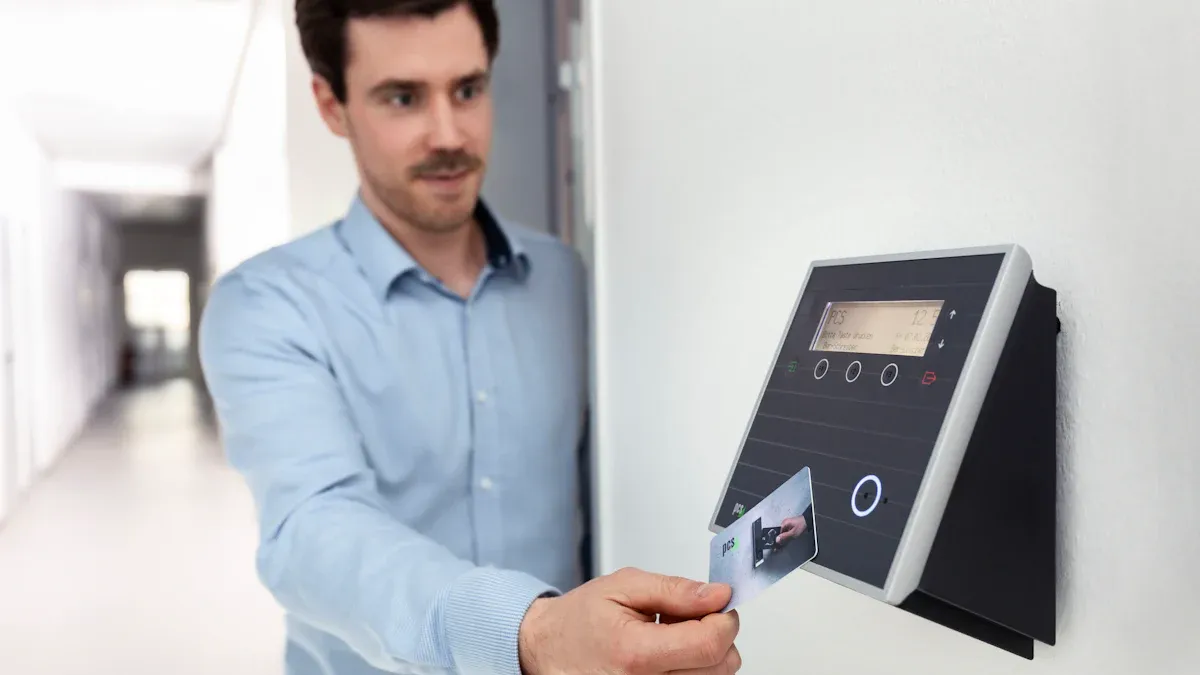
You can make your building safer with RFID doorway readers, enhancing security while also helping your building operate more efficiently. RFID technology allows you to control who comes in and out, which not only makes your building safer but also saves time. Many companies, like SHENZHEN MARKTRACE CO.,LTD., offer smart readers tailored for various needs. The market for RFID doorway systems is expanding rapidly, as illustrated in the chart above. Consider how RFID can assist you in addressing security and efficiency challenges.
Key Takeaways
RFID doorway readers help keep buildings safe. They control who can go in and stop people who should not enter.
RFID technology lets people get in faster. It does not need someone to check everyone by hand. This means there are fewer mistakes.
RFID systems send alerts right away if there is a problem. This helps people act fast and stay safe.
RFID access control collects correct data. This helps keep track of things and makes work easier.
RFID systems can work with other security tools. These tools can be cameras or alarms. This makes the building even safer.
Picking the best RFID hardware is very important. It helps the system work well for a long time. It also lets the system change if needed.
Teaching workers about RFID technology is important. It helps them use the system easily and get the most out of it.
Checking and fixing the system often stops problems. This keeps RFID systems working well.
Enhancing Security with RFID Access Control
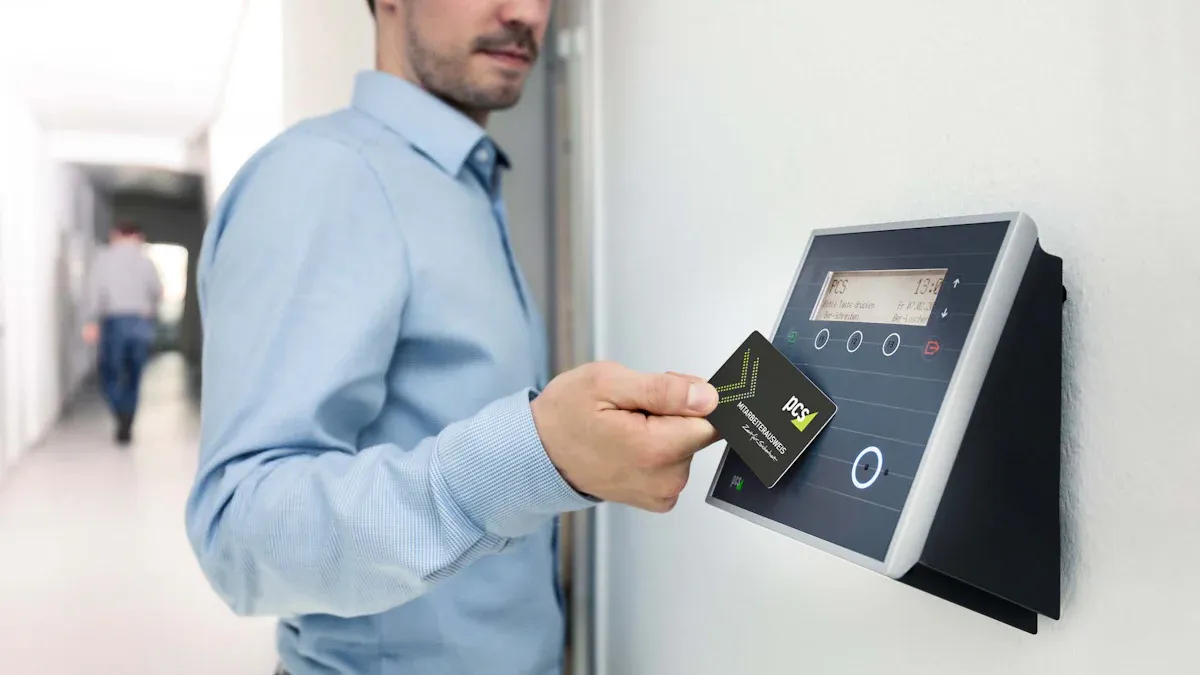
Immediate Security Benefits
RFID access control can make your building safer. These systems help stop people who should not enter. They keep your space protected. RFID dock door portals let you control who comes in and out fast. They are also very reliable. Many access control systems have security problems. The table below lists some common problems that RFID access control can fix:
Vulnerability Type | Description |
|---|---|
Card Cloning | RFID tags can be easily cloned, allowing unauthorized access. |
Eavesdropping | Data transmitted between the tag and reader is often in plaintext, making it susceptible to interception. |
Lack of Encryption | Many RFID systems do not encrypt data, leading to potential credential theft. |
More than 80% of proximity card access systems have weak spots. Attackers can use cheap tools to copy cards. Advanced RFID access control lowers these risks. It makes your security stronger. You will see fewer people getting in without permission. For example, property managers saw up to 40% fewer break-ins after using RFID access control. This means you can trust your system to keep people and things safe.
Automated Entry Control
Automated entry control makes your building smarter. RFID dock door portals let you control entry without guards. You do not need to check people by hand. This technology scans many tags at once. People and items move through doors quickly. The table below shows how RFID access control compares to manual systems:
Feature | RFID Technology | Manual Access Control |
|---|---|---|
Speed | Scans multiple items simultaneously, enhancing speed | Requires individual item scanning, slower |
Accuracy | Operates without line-of-sight, improving accuracy | Susceptible to human error, less accurate |
RFID dock door portals give you faster entry and fewer mistakes. You can make your inventory almost 95% more accurate than before. RFID access control lets you check in and out automatically. This saves time and cuts down on errors. The best RFID dock door portals have extra features. You can manage them from far away. They can grow with your needs. They also work with other security systems. You can add PIN codes or biometrics for even more safety.
Real-Time Alerts
RFID access control gives you real-time alerts. You can react to problems right away. If someone tries to go where they should not, you get a message fast. This helps you keep everyone safe. RFID dock door portals also track people and things in real time. Here are some ways real-time alerts help your security:
The system tells you right away if someone enters a dangerous place.
You get live location data during emergencies, so you can act fast.
Automated mustering systems show who gets to safety points during evacuations.
Personnel tracking helps you find missing people quickly.
Real-time updates tell you about evacuation status, so you can make smart choices.
Emergency features confirm everyone left the building and record when they left.
With RFID access control, you can manage your security as things happen. You know your building is well protected. You also get advanced tracking. RFID dock door portals make it easy and safe for everyone to enter without touching anything.
RFID Doorway Reader Technology
Core RFID Components
It is important to know the main parts of a doorway reader system. Each part helps the system work for radio frequency identification and access control.
RFID tags or cards: These can be key fobs, cards, or stickers. They hold your special information.
Reader hardware: This device sends radio waves and listens for tag signals. You see readers at doors, gates, or turnstiles.
Controller or microcontroller: This part is like the brain. It checks the reader’s data and decides if you can go in.
Backend system: This software or cloud keeps track of who comes and goes. It saves logs and helps with reports.
Door lock: An electromagnetic lock or relay opens when allowed by the system.
Optional devices: You might have backup power, alarms, or buzzers for more safety.
RFID Tags
RFID tags carry your identity. There are different types of tags. Some have batteries, and some do not. The type you pick changes how well your system works.
RFID Tag Type | Key Features | Impact on Performance and Reliability |
|---|---|---|
Active RFID | Built-in battery, emits signal, long range | Best for important areas, gives strong performance |
Semi-passive RFID | Battery for circuits, sends signal when needed | Good balance of range and battery life, fits industrial needs |
No battery, uses reader energy, short range | Cheaper, but may not work as well in tough places |
Reader Hardware
Reader hardware is the center of your system. It sends signals and waits for tags to answer. Some readers use 125kHz or 13.56MHz frequencies. Some work best for short distances, and some reach farther. You can choose a reader that fits your building.
Backend System
The backend system helps you manage everything. It connects to the reader and saves all the data. You can use software or a cloud platform. This system lets you check logs, set permissions, and make reports. You can see who enters and leaves.
Access Verification Process
You follow easy steps for access verification with RFID technology:
You wear or carry an RFID tag.
The reader scans your tag when you walk by.
The backend system checks your identity.
If you have permission, the door unlocks.
The system logs your entry for later.
This process is fast and safe for checking who you are. You do not need to touch anything. The reader does everything for you.
Types of RFID Technology
You can pick from different types of RFID technology for your doorway reader system. Each type has its own good points.
Feature | Passive RFID | Active RFID |
|---|---|---|
Read Range | Needs close contact | Works from far away |
Security | High data security, encrypted | Advanced security, uses encryption |
Application Suitability | Good for small spaces | Best for large areas and real-time tracking |
You pick passive RFID for simple and cheap setups. You use active RFID when you need real-time tracking and more range. Both types help you check identity and control access.
Key Benefits for Security and Efficiency
Improved Access Control
RFID access control can make your building safer and smarter. You get to choose who can enter or leave each area. You do not have to worry about lost keys or copied cards anymore. The system checks everyone with a special tag. You control every door and entry point.
RFID access control helps protect important data and spaces. It stops people without permission from getting in. The system also helps you follow rules and meet standards. Your business can keep running without problems. The table below shows how RFID access control helps security and efficiency:
Improvement Type | Description |
|---|---|
Enhanced Data Security | Protects sensitive data and critical infrastructure from unauthorized access. |
Reduced Risk of Data Breaches | Minimizes the risk of data breaches and cyberattacks due to physical vulnerabilities. |
Improved Operational Efficiency | Streamlines access control procedures, reducing administrative overhead. |
Enhanced Compliance | Aids in meeting industry regulations and data security standards. |
Improved Business Continuity | Ensures uninterrupted operations by maintaining security and integrity. |
RFID access control gives you more than just safety. It also makes things run smoother and easier to manage. You can trust the system to keep your building safe and your work going well.
Streamlined Operations
RFID technology makes your daily work much easier. You do not need to do manual checks or fill out paperwork. The system does many jobs for you, so you can focus on bigger tasks. You can handle lots of staff changes without losing control or speed. RFID access control helps you manage both front and back areas.
The table below shows how RFID systems help busy places work better:
Benefit | Description |
|---|---|
Automate and Accelerate Back-of-House Operations | Reduces manual work and improves speed across supply and service processes, essential in environments with frequent staff changes. |
Improve Front-of-House Speed and Guest Service | Enables quick staff actions during guest interactions, reducing reliance on individual knowledge. |
Strengthen Food Safety and Quality Control | Provides insights for better food handling, crucial when staff may not be familiar with all procedures. |
Simplify Event and Facility Management | Offers full visibility of resources, helping new staff manage events efficiently. |
Make Smarter, Data-Backed Decisions Across Properties | Guides planning and staffing based on reliable data, minimizing the impact of personnel turnover. |
You can use RFID access control to check people in faster, track items, and manage events. The system gives you real-time information, so you can make quick choices. You also get better efficiency in every part of your business. This means you save time and make fewer mistakes.
Tip: Use RFID access control to do routine jobs automatically. This will help you work faster and manage things better.
Accurate Data Collection
You need good data to manage well. RFID access control systems give you correct information every time someone enters or leaves. The system records each event without mistakes. You do not have to use paper logs, which often have errors.
The table below shows how RFID technology is better than manual logging:
Method | Accuracy Rate |
|---|---|
Manual Logging | 63% |
RFID Technology | 99.9% |
RFID access control gives you almost perfect accuracy. This helps you keep better track of inventory and assets. You can trust the data for audits, reports, and planning. The system helps you manage better and work more efficiently. You always know who is in your building and when they came or left.
Note: Good data collection helps you keep better track of things and manage well. You can use this information to make your building safer and more efficient every day.
System Integration
You can make your building smarter by using RFID doorway readers with other systems. RFID technology works with security cameras, alarms, and building management software. When you use an RFID door lock system, you can watch who comes in and out. You see this information right away. If something bad happens, you can act fast. For example, you can stop a break-in or fix damage quickly.
RFID doorway readers can be used in many security setups. You can connect them to license plate recognition at gates. You can also link them to CCTV cameras for better watching. Many homes and businesses use RFID readers as part of their security plan.
System Type | Integration Capability |
|---|---|
Can integrate with License Plate Recognition, CCTV, etc. | |
Residential HOAs and Commercial | Benefit from a comprehensive security solution. |
Here are some steps to help you connect your systems:
Check how RFID readers work with your security tools.
Use RFID door lock systems to watch your building.
Act fast if you see anything strange.
Tip: You can make your building safer and run better by using RFID doorway readers with other smart tools. This gives you more control and keeps everyone safer.
Real-World Applications and Product Features
Corporate and Commercial Use
RFID doorway readers help keep offices and factories safe. They let you control who can enter each area. You can see when people come and go. This helps you protect your workplace and keep track of things.
The MR7901P, MR7902, and MR7903 models have special features for access control. You can use them to watch building entrances and check on employees. They also help you track items in real time. You always know where your things are.
Here is how different places use RFID doorway readers:
Environment | Use Case Description |
|---|---|
Office / School | Swipe cards for attendance and entry; saves time. |
Factory / Warehouse | Control people and goods; turnstile or frame-type readers work well. |
Hospital / Lab | Set clear rules for each area; know who enters every door. |
Residential / Dormitory | Easy to use and replace; saves money if broken. |
RFID technology helps you track inventory and fill orders faster. Many companies use these readers to keep assets safe and make sure only the right people get in.
Healthcare and Education
Hospitals and schools use RFID doorway readers to keep people safe. These readers control who can enter special rooms, like labs or medicine storage. This stops people who should not enter and keeps things secure.
RFID readers help you find medical tools and school supplies. You can see where everything is at any time. This makes it easier to manage inventory and lose fewer items. The MR7902 model works well for tracking things that move, like school buses or medical carts.
Here are some good things about using RFID doorway readers in hospitals and schools:
Benefit | Description |
|---|---|
Enhanced Patient Safety | RFID helps identify patients and track equipment, so there are fewer mistakes. |
Improved Operational Efficiency | RFID does routine jobs like checking inventory, so staff can help patients more. |
Optimized Resource Management | RFID tracks equipment use and inventory, so you can order what you need on time. |
Cost Efficiency | RFID helps you lose less equipment and use things better, saving money. |
Security and Compliance | RFID watches over important areas, so only the right people get in and data stays safe. |
Automated Data Collection | RFID tracks inventory in real time, so there are fewer mistakes and better records. |
You can use RFID readers to check attendance, track items, and collect data. This saves time and money and keeps everyone safe.
Industrial and Warehouse Control
RFID doorway readers help you manage assets in factories and warehouses. They track tools and goods as they move in and out. You can control who enters and leaves. The MR7901P and MR7903 models work well for big spaces and long distances.
RFID technology helps you track assets and keep inventory correct. You make fewer mistakes and always know where your things are. Many industries have seen big changes with RFID readers:
Oil and gas companies found more equipment ready to use. They responded to emergencies faster. Maintenance got easier.
Healthcare manufacturers stopped cross-contamination. They used equipment better and spent less on following rules.
Aerospace companies stopped damage from foreign objects. They built things faster and kept better track of tools.
You can use RFID readers to check inventory, track assets, and control who gets into special areas. This helps you keep your workplace safe and running smoothly.
Tip: Pick the RFID reader model that fits your needs. The MR7901P, MR7902, and MR7903 from SHENZHEN MARKTRACE CO.,LTD. help you track things in real time, manage assets, and keep access secure in many places.
Government and High-Security Sites
Government buildings and high-security sites need strong protection. These places keep important information and valuable things safe. Not everyone should be able to walk in. RFID doorway readers help you control who gets inside. They make your site safer in a smart way.
You can put readers at doors, exits, and special areas. The readers check each person who wants to enter. You do not need a guard at every door. The system does this job for you. Readers scan tags fast and do it right. This helps stop people who should not get in.
SHENZHEN MARKTRACE CO.,LTD. has advanced readers like the MR7901P, MR7902, and MR7903. These readers work well in government offices and military bases. You can use the MR7901P for scanning cars at main gates. The MR7902 is good for moving checkpoints or short-term use. The MR7903 reads tags in one direction for special rooms.
Here are some ways to use readers in high-security places:
Track who goes in and out of safe zones.
Watch where staff go in real time.
Control who enters server rooms or evidence lockers.
Give visitors special tags for their visit.
Record when people enter and leave for checks.
Tip: Use readers to make a digital list of all movements. This helps you find problems quickly and keeps your site safe.
You can also connect readers to alarms and cameras. If someone tries to get in without permission, the system sends a warning. You can act fast. Readers help you follow strict rules and meet government laws.
The table below shows how readers make high-risk places safer:
Security Feature | Benefit for Government Sites |
|---|---|
Real-time tracking | Always know where people are |
Automated entry control | Fewer mistakes and faster checks |
Data logging | Keep records for checks and reports |
Integration | Works with cameras and alarms for safety |
You can use readers to track things too. Put tags on laptops, files, or cars. Readers will watch these items as they move. This stops stealing and losing things.
With the right readers, you can keep your site, people, and things safe. You will feel better knowing your security is strong and works well.
Implementation Best Practices
Site Assessment
You should check your building before putting in RFID doorway readers. This helps you know what you need and how to get good results. Walk around and look at all the doors and busy spots. Watch how people and things move in these places. Write down what your floors and walls are made of because this can change how RFID works.
Here is a table with things you should think about:
Factor | Description |
|---|---|
Asset dimensions and materials | Know the size and makeup of items you want to track. |
Asset orientation and movement | Watch how items enter and leave read zones. |
Zone measurements | Measure height, width, and clearance for antenna placement. |
Dwell time | Find out how long items stay in each area. |
Power and network availability | Check where you have outlets or network connections. |
Environmental hazards | Look for water, heat, or machines that could affect readers. |
Door mechanics | Note if doors swing or slide, as this changes how tags are read. |
Mark important places like doors and exits.
Watch which way people and things go.
Write down what your building is made of.
Tip: Checking your site first helps you stop problems and makes your RFID system work well.
Hardware Selection
Picking the right hardware is very important for your RFID system. You want readers that work now and later as you grow. Choose RFID readers that can get updates and use new credentials. This helps your system last longer and saves money. Universal readers let you add new things when you need them.
Pick readers that can be used for new jobs as you grow.
Choose hardware that lasts a long time and is easy to change.
Find readers that can get updates from far away.
Pick devices that work with many tag types.
RFID systems can grow with your business. You do not have to buy all new hardware when you get bigger. This makes your money go further and is a smart choice.
Integration Planning
You need a good plan to connect RFID readers to your other computer systems. This helps you use your technology better and keeps things working well.
Link your software with your old systems for better data.
Use live data to make fast choices and react to changes.
Sync data by itself to save time and stop mistakes.
Give everyone the same experience so it is easy to learn.
Choose the best readers and tags for your needs.
Use good middleware and edge processing for quick choices.
Pick strong ways to send data for good results.
Make sure your system is safe from the start.
Use both cloud and local systems for best speed.
Build your system so you can add more features later.
Note: Planning your integration well helps you avoid extra work and makes your RFID system simple to use and grow.
Training and Adoption
You need to make sure your team understands how to use RFID doorway readers. Training is a key part of a successful rollout. When you teach your staff well, you help everyone feel comfortable with the new system. People learn how to use the technology, and they see the benefits right away.
A good training program does more than show how to scan a badge. It helps your team see why RFID matters. You build trust in the system. Staff members who know what to do will use the readers correctly. They will not feel lost or frustrated. This makes your workplace run better.
Tip: Start training early. Show your team how RFID will make their jobs easier. Let them ask questions and practice with the readers.
You can use different ways to train your staff. Some people learn best by watching a video. Others like to try things out for themselves. You might want to use a mix of these methods. Here are some ideas:
Hold short classes to explain how RFID works.
Give hands-on practice with real readers and tags.
Share simple guides or posters near entry points.
Offer help from a team member who knows the system well.
Use videos for quick refreshers.
When you train your team, you help them feel ready for change. People who understand the system will use it more. They will not need as much help later. This saves you time and money. Your team will work together to solve problems instead of giving up.
A well-trained team can do tasks faster. For example, they can check inventory or track assets in less time. You will see the benefits of RFID sooner. Staff buy-in grows when people see how the system helps them every day.
You should also plan for new hires. Make RFID training part of your onboarding process. This keeps everyone on the same page. You can update your training as the system changes or as you add new features.
Note: Good training leads to smooth adoption. Your team will feel confident, and your RFID system will work better.
You set your project up for success when you invest in training and support. Staff who know what to do will help you get the most from your RFID doorway readers.
Integration and Maintenance
System Connectivity
You need strong system connectivity to get the most from your rfid doorway readers. When you connect your rfid readers to a cloud database, you can collect and check data from many tags at the same time. This helps you keep all your access records in one place. You can see who enters and leaves your building without delay. Cloud databases also make it easy to keep your data the same across all your rfid readers. If you want your system to grow, you should use privacy-preserving authentication. This method uses tree structures to manage tags. It makes searching for tag data much faster, even as you add more tags. You can scale your access control system without slowing down.
Tip: Use cloud-based solutions to keep your rfid access control system fast and reliable.
Data Privacy
You must protect personal information when you use rfid access control systems. Many industries have strict rules about data privacy. You can follow these rules and keep your data safe by using the right steps:
Follow laws like GDPR and HIPAA that set rules for personal data.
Use strong security tools such as encryption and access controls.
Check your system often with security audits.
Use industry standards to make your privacy even stronger.
You can trust your rfid access control system to keep your building safe and protect the privacy of everyone who uses it.
Ongoing Support
You should take care of your rfid access control system to keep it working well. Regular support and maintenance help you avoid problems and keep your system strong. Here are some best practices:
Check your rfid readers for damage or wear.
Clean your system with a soft cloth and compressed air to stop dust from building up.
Update your firmware and software to get the latest security and performance features.
Make sure you install and place your rfid readers as the manufacturer suggests.
Test and replace batteries often to keep your system running.
Note: Good maintenance keeps your rfid access control system ready for daily use and helps you avoid downtime.
You can keep your access control system safe, fast, and reliable by following these steps. This gives you peace of mind and helps you protect your building every day.
Overcoming RFID Deployment Challenges
Interference Issues
When you put in an rfid system, you might have interference problems. These problems can make your readers not work right. You should know what causes interference and how to fix it. Here is a table that lists common interference problems and ways to solve them:
Interference Issue | Description | Mitigation Strategy |
|---|---|---|
Electromagnetic Interference (EMI) | Unwanted signals disrupt rfid communication from sources like power lines. | Use UHF rfid systems, deploy shielding materials, eliminate nearby EMI sources. |
Physical Obstructions | Barriers like metal and water absorb or reflect signals. | Use tags for metal surfaces, adjust antenna positioning, utilize Near-Field rfid technology. |
Reader-to-Reader Interference | Readers on similar frequencies interfere with each other. | Use frequency hopping, adjust power levels, implement directional antennas. |
Environmental Factors | Conditions like temperature and humidity affect performance. | Choose hardware for extreme conditions, implement shielding techniques, regularly test and calibrate. |
You can make your rfid system better by looking for these problems before you set up your readers. If you see metal walls or water pipes, use special tags and move antennas to better places. You can also pick rfid hardware that works well in hard places.
Tip: Try out your rfid readers in real life. This helps you find and fix interference before it becomes a big problem.
User Adoption
Getting your team to use rfid is important for success. Some people might feel nervous about new systems. You can help by showing how rfid makes their jobs easier. Give clear steps and let staff try the readers. Use short lessons and easy guides.
Show how rfid saves time and stops mistakes.
Let staff ask questions and give ideas.
Help anyone who needs extra support.
When you include your team, you help them trust the rfid system. People will use the technology more and feel sure about it.
Note: Make rfid training part of new employee lessons. This keeps everyone learning the same things.
Reliability Concerns
You want your rfid system to work well every day. Reliability means your readers scan tags fast and save the right data. You can keep your system strong by doing a few things:
Pick rfid readers made for your building.
Update software and firmware often.
Clean your readers and look for damage.
Check batteries and change them when needed.
If you take care of your rfid system, you will have fewer mistakes and less downtime. Regular checks help you find problems early. You can trust your rfid readers to keep your building safe and your data right.
Tip: Make a plan for checking and fixing your system. This helps your rfid system stay strong for a long time.
RFID doorway readers help keep your building safe and make things work better. People can get in quickly, and you always know where your stuff is. Your things are protected from being taken or lost. Pick the best technology for your needs and plan how you will use it.
Check how your access control works right now.
Find ways to make your building safer and faster.
Look at new RFID readers like MR7901P, MR7902, and MR7903 from SHENZHEN MARKTRACE CO.,LTD.
Tip: Using smart RFID systems helps you stay in control and feel safe.
FAQ
What is an RFID doorway reader?
An RFID doorway reader is a device that scans RFID tags as people or items pass through a door. You use it to control access and track movement in real time.
How does an RFID doorway reader improve security?
You can stop unauthorized entry with RFID readers. The system checks each tag and only lets approved people or items through. You get alerts if someone tries to enter without permission.
Can I use RFID doorway readers outdoors?
Yes, you can use many RFID doorway readers outdoors. Make sure you choose a model designed for outdoor use. These readers resist weather and work well in different environments.
What types of tags work with SHENZHEN MARKTRACE readers?
You can use active 2.4G RFID tags with SHENZHEN MARKTRACE readers like MR7901P, MR7902, and MR7903. These tags give you long-range and reliable tracking.
How far can the MR7902 read a tag?
The MR7902 can read a tag from up to 200 meters away in open areas. You get strong performance for tracking vehicles, people, or assets.
Do RFID doorway readers store personal data?
RFID doorway readers store only the tag ID and access logs. You control what data the system keeps. Always follow privacy rules to protect personal information.
How do I maintain my RFID doorway reader?
You should clean the reader with a soft cloth. Check for damage often. Update the software when new versions come out. This keeps your system working well.
Can I connect RFID doorway readers to other security systems?
Yes, you can connect RFID readers to cameras, alarms, and building management systems. This gives you a complete security solution and helps you respond quickly to events.
- Next>:Exploring the Benefits of High Frequency RFID Readers in Modern Inventory Management

 2026-08-24
 Blogs
Blogs