
Passive vs Active RFID Readers: What’s the Difference?
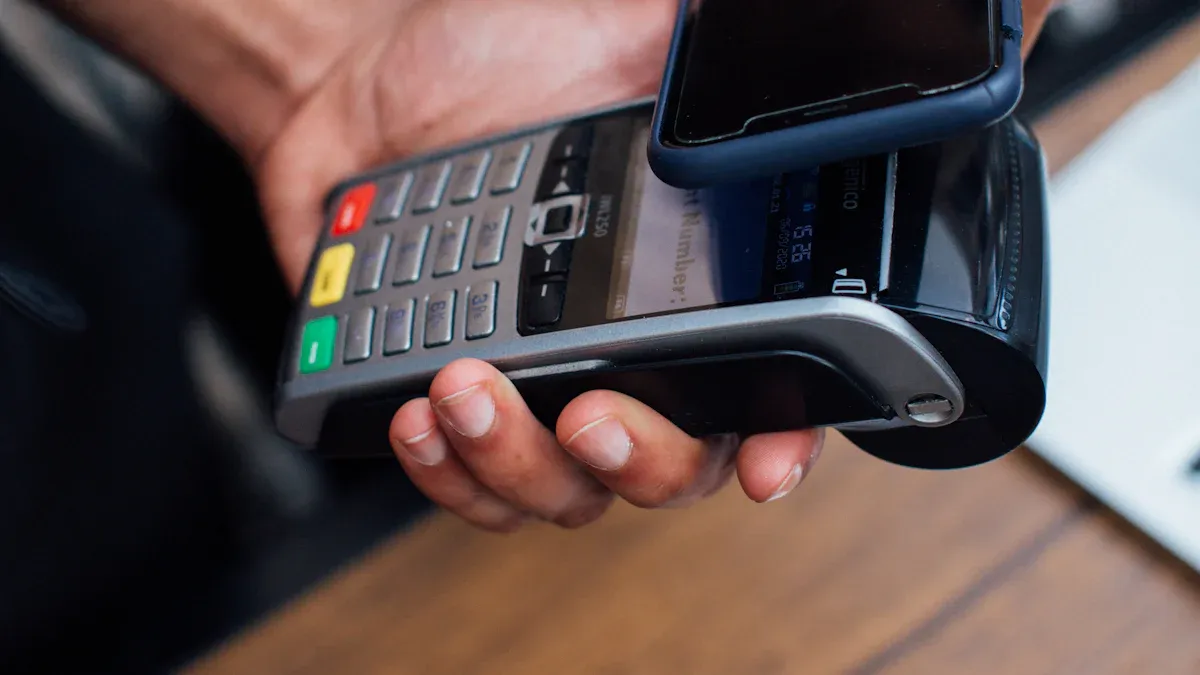
You can see a big difference between passive rfid readers and active RFID readers. Passive rfid readers find tags that use power from the reader’s signal. Active RFID readers work with tags that have their own battery. These tags can send signals much farther. You should know these differences to pick the best tracking system for your business.
Passive RFID tags are good for short-range and cheap inventory tracking. Active RFID tags are better for long-range and real-time asset tracking.
RFID System Type | Market Share (2023) | Expected CAGR (2024-2032) |
|---|---|---|
Passive RFID | N/A | |
Active RFID | N/A | 13.39% |
Key Takeaways
Passive RFID readers use tags that do not have batteries. They get power from the reader’s signal.
Active RFID readers work with tags that have batteries. These tags can send signals by themselves.
Pick passive RFID for tracking things close by, like in inventory. It does not cost much and is simple to use.
Pick active RFID for tracking things far away. It gives updates right away and works in big spaces.
Passive RFID tags cost less and can last up to 20 years. They do not need new batteries.
Active RFID tags cost more but can track things farther, up to 150 meters.
Think about your money and what you need to track before you choose passive or active RFID.
Try your RFID system where you will use it to make sure it works for you.
Key Differences Between Passive and Active RFID
Passive RFID Readers Overview
Passive rfid readers work with passive rfid tags. These tags do not have a battery inside. They get power from the rfid reader’s signal. When a passive rfid tag is near a reader, the reader sends out radio waves. The tag uses this energy to send back its data. Passive rfid readers are good for short-range jobs like tracking inventory or controlling access. These systems are easy to use and not expensive.
Tip: Passive rfid tags only work when close to a reader. You cannot track them from far away.
Active RFID Technology Overview
Active rfid uses tags that have their own battery. The battery lets the tag send signals by itself, even if no reader is nearby. You can track things, cars, or people from much farther away. Active rfid tags send out signals often, so you get updates right away. This technology is good for big spaces or moving things. You might see active rfid in warehouses, for tracking school buses, or for managing vehicles.
Active rfid tags have a battery inside.
These tags send signals without waiting for a reader.
You can track things in real time and from far away.
Main Distinctions
It is important to know the main differences between passive rfid and active rfid. The biggest difference is how each tag gets power and sends signals.
Passive rfid tags use energy from the reader. They do not have a battery.
Active rfid tags have their own battery. They send signals on their own.
Passive rfid readers only work when tags are close.
Active rfid tags can send signals over long distances.
Here is a table that shows how far each type can read:
RFID Type | Frequency Range | Typical Read Range |
|---|---|---|
Passive | 125 - 134 KHz | 1 - 10 cm |
Passive | 13.56 MHz | 1 cm - 1 m |
Passive | 865 - 960 MHz | 5 - 6 m (up to 30+ m in ideal conditions) |
Active | 433 MHz, 2.45 GHz | Hundreds to thousands of feet |
You can see that passive rfid tags are best for short distances. Active rfid tags work for much bigger areas. Battery life is also important. Active rfid tags usually last 2 to 7 years before you need a new battery. Passive rfid tags do not need batteries, so you never have to change them.
Note: Active rfid gives you real-time tracking and works over long distances. Passive rfid is simple and cheap for jobs that need close-range tracking.
Pick the rfid system that fits your needs for distance, price, and how fast you want to track things.
How Passive RFID Readers Work
Power and Signal Process
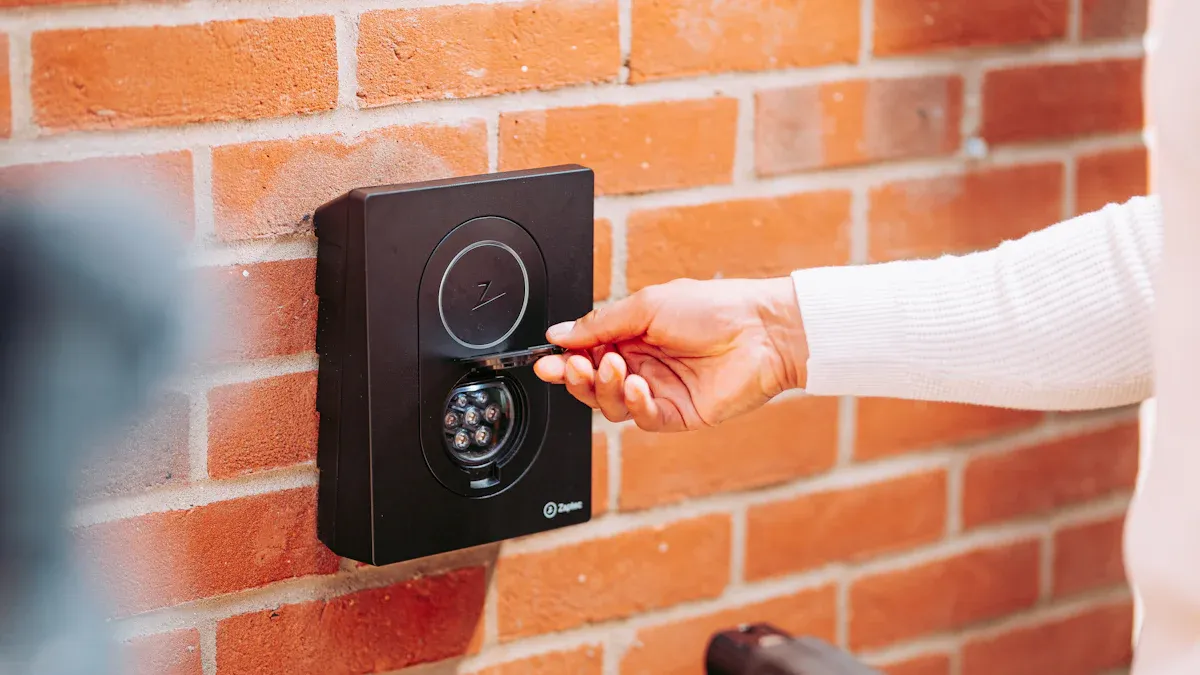
You might wonder how passive rfid readers can find tags that do not have batteries. The answer comes from science. When you bring a passive rfid tag near a reader, the reader sends out radio waves. The tag uses these waves to get power and send back its information. You do not need to worry about changing batteries in these tags.
Here is a table that shows the scientific principles behind this process:
Description | Source |
|---|---|
Passive RFID tags do not have their own power source; they use power from the reader. | |
Passive RFID tags rely on radio waves received from readers. | |
A passive RFID tag receives its power from the reading antenna, inducing a current. |
You can see that passive rfid tags only work when they get energy from the reader. This makes them simple and easy to use.
Communication Method
When you use a passive rfid reader, it sends out a signal. The passive rfid tag picks up this signal and uses the energy to send its data back. The reader then collects this data and sends it to your computer or system. This process happens very quickly, so you can scan many items in a short time.
The reader starts the process by sending out radio waves.
The tag receives the energy and responds with its unique code.
The reader captures the code and records the information.
Tip: You can use passive rfid to track items, manage inventory, or control access to rooms. The system works best when the tags are close to the reader.
Range and Limitations
You should know that passive rfid has some limits. The range is usually short, from a few centimeters to a few meters, depending on the frequency and the environment. You cannot track items from far away with passive rfid readers.
Passive rfid readers can also face problems in certain places. Metal objects can reflect or block the radio waves, making it hard to read the tags. Liquids can absorb the signals, so tags near water or drinks may not work well. Other electronic devices can cause interference, especially in busy or industrial areas. These factors can make it harder for the reader to pick up the tag’s signal.
Note: If you need to track items in a warehouse with lots of metal or near liquids, you may see some missed reads or shorter range.
Passive rfid works best in clean, open spaces where there is not much interference. You get reliable results when you use the system in the right environment.
How Active RFID Works
Tag Power Source
You will notice a big difference in how active RFID tags get their power. Each tag has a small battery inside. This battery gives energy to the tag, so it does not need to wait for a reader to send power. You can think of the battery as a tiny engine that keeps the tag working all the time. Because of this, active RFID tags can send signals on their own. You do not have to worry about the tag being close to a reader to work. This makes active RFID a strong choice for tracking systems that need to cover large areas or moving objects.
Signal Transmission
Active RFID tags use their battery to send out signals. These signals travel much farther than those from passive RFID tags. You can set active RFID tags to broadcast their data at regular times or when something happens, like a door opening. This means you get updates right away, which helps you track items in real time. Unlike passive RFID, which waits for a reader to start the process, active RFID tags can talk to readers without being asked. The tag’s transmitter sends out a signal, and the reader picks it up, even from far away. This method gives you more control and faster information.
Tip: If you need to track people, vehicles, or assets as they move, active RFID gives you the power to do it with fewer readers and less waiting.
Range and Capabilities
You will see that active RFID stands out because of its long range. The battery-powered transmitter lets the tag send signals up to 150 meters (about 490 feet) in many cases. In some industrial settings, the range can reach up to 1,500 feet or more. Here is a table that shows the maximum range from different sources:
Source | Maximum Range |
|---|---|
RFID Journal | 1,500 feet or more |
Neph System | Up to 200 meters (656 feet) |
With this kind of range, you can cover large warehouses, parking lots, or even outdoor spaces. Active RFID works well for real-time location systems, where you need to know where things are at all times. You can use fewer readers because each tag can reach them from far away. This makes active RFID a smart choice for tracking valuable assets, vehicles, or people across wide areas.
Note: Active RFID gives you the ability to collect data quickly and from a distance. You can rely on it for jobs that need real-time updates and long-range coverage.
Pros and Cons of Passive RFID
Passive RFID Advantages
Cost and Size
Passive rfid readers help you save money. Passive rfid tags cost less than active tags. They are simple and have only a few parts. You can buy many passive rfid tags for a low price. These tags are very light. They are small and easy to put on products, boxes, or cards. You can use passive rfid when you do not have much space.
Here is a table that shows why passive rfid tags are special:
Advantage | Description |
|---|---|
Inexpensive | Passive RFID tags are cheap because they are simple and have few parts. |
Lightweight | Their simple design makes them light and easy to use. |
Long Lifespan | They can last up to 20 years if you use them gently, while battery tags last 3-5 years. |
Maintenance-Free | Passive RFID does not need batteries, so you do not need to do much work. |
Tip: Pick passive rfid readers if you have a small budget or need to tag lots of things.
Maintenance
You do not need to change batteries in passive rfid tags. These tags work for many years without extra care. You can set up your rfid system and let it run by itself. Passive rfid tags often last up to 20 years if you keep them safe. You save time and money because you do not need to check or fix them. This makes passive rfid good for tracking things for a long time.
Passive RFID Disadvantages
Range Limits
Passive rfid does not work well for tracking things far away. Passive rfid readers only read tags that are close. The range is usually just a few centimeters to a few meters. If you want to track things in a big warehouse or across a campus, passive rfid may not reach far enough.
Here is a table that shows some problems:
Limitation | Impact on Large-Scale Asset Tracking |
|---|---|
Makes it hard to use in big places. | |
Obstacles and Blockages | Things in the way can block signals and make it not work. |
Interference Issues | Metals and liquids can mess up signals and make it less useful. |
Note: Use passive rfid for small areas or when you can put readers close to the things you want to track.
Environmental Factors
You should think about the space before using passive rfid readers. Metal shelves, thick walls, or big containers can block the radio signals. Water or drinks can soak up the waves and make tags not work well. If you use passive rfid in busy places with lots of electronics, you might see problems. This can cause missed reads or mistakes in your data.
You can fix some problems by moving the readers or changing where you put the tags. Always test your rfid system in the real place before you use it for important jobs.
Callout: Passive rfid works best in open spaces with not many things in the way. You get the best results when you plan your setup well.
Pros and Cons of Active RFID
Active RFID Benefits
Long Range
Active rfid is great for big spaces. The tags can send signals up to 150 meters. This helps you track things in large places like warehouses or parking lots. You do not need many readers because each tag can reach far. This saves you time and makes it easier to manage your stuff.
Here is a table that shows the main benefits of active rfid for tracking systems:
Benefit | Description |
|---|---|
Long Read Range | Active rfid tags can transmit signals up to 150 meters, ideal for large areas like warehouses. |
Real-Time Tracking | Continuously monitors assets’ location and status, enhancing asset management efficiency. |
Robust Performance | Designed to operate reliably in harsh environments, including extreme temperatures and humidity. |
Active rfid works well even in tough places. It can handle hot, cold, or wet weather. You can trust it to work all year.
Real-Time Tracking
Active rfid is good for real-time tracking. The tags send updates often, so you always know where things are. You can watch your items move on your computer or phone. This helps you make fast choices and keeps your business running well. You do not have to wait for a reader to scan a tag. The system gives you updates right away, which is important for safety and speed.
Active RFID Drawbacks
Cost
Active rfid costs more than passive rfid. The tags have batteries and more parts, so they cost more to make. The readers and software also cost more money. Small businesses may find it hard to pay for active rfid. You might need to spend money on training and setting up the system. Some companies have trouble paying for repairs and upgrades.
The high costs of rfid tags and infrastructure create significant barriers for small businesses considering rfid technology.
Small businesses often lack the resources or expertise to manage complex IT integrations, making the high cost of system integration a major deterrent.
Ongoing maintenance and upgrade costs can be a significant concern for SMEs, as they may not have dedicated teams to manage these responsibilities.
You should plan your budget before picking active rfid for tracking.
Battery Life
Active rfid tags use batteries to send signals. These batteries do not last forever. Most batteries work for two to seven years, depending on how much the tag is used. When the battery dies, you need to change the tag or battery. This costs more money and means you must check battery life. If you forget to change batteries, you might lose track of your things. You should make a plan to check and replace batteries so your system keeps working.
Tip: If you want a system that works for many years without much care, passive rfid may be a better choice. If you need long range and real-time updates, active rfid is the best fit.
Cost Comparison
Initial Costs
You need to think about the starting price when you choose an rfid system. Passive rfid tags cost much less than active rfid tags. You can buy passive tags for only a few cents each. Active rfid tags cost several dollars each. The price difference is big. You also pay for readers, software, and setup. Passive rfid systems use simple readers and antennas. Active rfid systems need more advanced readers and sometimes extra equipment for long-range tracking. If you want to tag thousands of items, passive rfid saves you money at the start. Active rfid works better for tracking things over large areas, but you pay more for each tag.
Tip: If you have a small budget or need to tag many items, passive rfid gives you a cheaper way to start.
Maintenance Costs
You should look at how much it costs to keep your rfid system working over time. Passive rfid systems need more care in busy places. The cables and antennas can break or wear out. You might need to fix or replace parts often. Active rfid systems have fewer parts that break, but you must change the batteries in the tags. Battery changes cost money, but you do not need to fix as many cables or antennas.
Here is a table that shows the main differences in maintenance costs over five years:
RFID Type | Maintenance Cost Factors | Summary of Costs |
|---|---|---|
Passive RFID | Higher due to complex infrastructure, extensive cabling, and antennas prone to damage | More expensive due to wear and tear in busy environments |
Active RFID | Lower complexity but requires battery replacements for tags | Generally lower maintenance costs despite battery upkeep |
You see that passive rfid can cost more to maintain if you use it in a busy warehouse or store. Active rfid needs battery changes, but you spend less fixing other parts.
Note: Plan for regular checks and repairs to keep your rfid system working well.
Long-Term Value
You want your rfid system to give you good value for many years. Passive rfid tags cost between 5 to 15 cents each. You can tag lots of items without spending much. Active rfid tags cost $5 to $15 each. This makes them about 100 times more expensive than passive tags. The low price of passive rfid tags helps you save money on operations. Active rfid systems cost more for tags and equipment, but they give you better tracking over long distances.
Passive rfid tags help you save money when you need to tag many items.
Active rfid tags cost more, but they work better for tracking things in large spaces.
Passive rfid systems have lower operational costs because the tags are cheap.
Active rfid systems need more money for tags and setup, but they offer real-time tracking and long-range coverage.
You should pick the rfid system that fits your needs for price, range, and tracking speed. Think about how many items you want to tag and how far you need to track them.
Callout: Choose passive rfid for low-cost tagging and simple tracking. Pick active rfid if you need long-range and real-time updates.
Use Cases for Passive RFID Readers
Retail and Inventory
Passive rfid readers help stores work faster. They make counting inventory quick and easy. What once took days now takes just hours or minutes. Workers spend less time counting and more time helping shoppers. When new shipments come, you check them right away. You do not have to open every box. The system sends alerts when stock is low. This helps you restock before items run out. You can track pallets and boxes from the warehouse to the store. This gives you a better view of your supply chain. If products stay in the backroom, you find them fast and put them on shelves. It is easier to handle lots of seasonal items. Returns are also easier because you can restock items quickly.
Reduced labor costs
Improved receiving processes
Enhanced replenishment
Supply chain visibility
Backroom management
Seasonal merchandise management
Returns processing
Tip: Passive rfid makes it easy to manage store inventory. You keep shelves full and customers happy.
Access Control
Passive rfid helps keep your building safe. Each rfid tag is special and hard to copy. You can see who comes in and goes out in real time. This helps you keep good records of everyone’s entry and exit. Tags only work when close to the reader. This means people must be near the door to get in. It makes your building more secure. You can control who gets in and stop people who should not enter.
Unique and encrypted rfid tags
Real-time tracking of entries and exits
Note: Passive rfid readers give you strong access control. You always know who is in your building.
Asset Tracking
Passive rfid readers help you track important equipment. Only staff with special tools can see the data. This keeps private information safe. You can find hospital tools and medicine fast. This helps patients get better care. The system sends alerts if equipment leaves the right area. This stops things from getting lost. You always know how much equipment you have. This helps you order more when needed. You save money by not losing tools and using them better.
Real-time visibility of equipment and supplies
Alerts for unauthorized movement
Accurate inventory management
Cost efficiency through reduced loss
Callout: Passive rfid tags help you keep track of valuable things. You spend less time looking for items and more time on important work.
You can see that passive rfid readers help in stores, security, and tracking assets. These systems are fast, reliable, and save money for many businesses.
Use Cases for Active RFID
Vehicle and Personnel Tracking
Active rfid helps you track cars and people in big places. In shipping, active rfid tags show where trucks and containers are right now. You can see each one’s location on a map. This helps you stop delays and keeps things from getting lost. Active rfid lets you watch your whole supply chain. You always know where your tagged items are. This makes it easier to manage your stuff. Watching things all the time helps your shipping work better.
Feature | Description |
|---|---|
Active rfid gives nonstop updates about containers, so you always know where they are. | |
Improved data accuracy | The system makes your information more correct and trustworthy, which is important for shipping. |
Increased visibility | Active rfid lets you see everything in your supply chain, so you can stop delays and keep things safe. |
Active rfid also tracks people. Schools and companies use it to check who is there and keep everyone safe. The MR7901P from SHENZHEN MARKTRACE CO.,LTD. can read tags from far away and gives real-time updates. This makes it great for tracking cars and people in busy places.
Tip: Active rfid lets you follow moving things and people with fewer readers. This saves you time and work.
Large-Scale Asset Management
Active rfid is good for keeping track of things in big factories and warehouses. You get updates all the time about where your stuff is. This means you do not waste time looking for things. The tags send out data often, so you always know what you have. This system helps you make fewer mistakes and work faster. You can fill orders quickly and keep track of your inventory better.
Advantage | Description |
|---|---|
You get nonstop updates about where your things are, so you find them fast. | |
Automated asset tracking | Tags send out data often, so you always know where your things are. |
Enhanced operational efficiency | The system helps you make fewer mistakes and get work done faster. |
The MR7903 reader from SHENZHEN MARKTRACE CO.,LTD. helps you get exact data and find things easily. You can keep track of important tools and supplies in big buildings without missing anything.
Callout: Active rfid tags help you manage lots of things in big places.
IoT Applications
Active rfid is important for the Internet of Things (IoT). You can connect devices, cars, and other things to your network. The MR7902 active reader works with mobile phones and Bluetooth, so you can test and use it with your phone. You can use active rfid for tracking school buses, watching building doors, and other smart projects. The long range and quick updates help you get information fast and right.
Active rfid helps you build smart tracking systems for IoT.
You can watch things, cars, and people from far away.
Mobile connections make it easy to use and test your system.
With SHENZHEN MARKTRACE CO.,LTD.'s MR7901P, MR7902, and MR7903, you get strong rfid tools for IoT, car tracking, and asset management. These products can read from far away, give real-time updates, and work well with mobile devices.
Note: Active rfid gives you great tools for smart IoT projects and tracking lots of things at once.
Side-by-Side Comparison Table
Key Differences
It is important to know how passive and active rfid are different. Passive rfid tags do not have batteries inside. They get power from the reader’s signal. Active rfid tags have a battery and can send signals by themselves. This lets you track things from much farther away with active rfid. Passive rfid is best for short-range jobs, like counting inventory or letting people in doors. Active rfid is good for tracking things in real time over big areas.
Tip: If you need to track things far away or want fast updates, active rfid is a better choice.
Here is a table that shows the main differences:
Feature | Passive RFID | Active RFID |
|---|---|---|
Power Source | No battery required | Battery-powered |
Read Range | Up to 10 meters | Up to 100 meters |
Cost | Lower cost | Higher cost |
Best Use | Inventory, access control | Asset tracking, sensor data |
Performance Metrics
You should check how well each rfid system works. Read range is one thing to look at. Passive rfid tags work up to 10 meters away. Active rfid tags can reach up to 100 meters. Cost is another thing to think about. Passive rfid tags are cheaper, so you can use them on many things. Active rfid tags cost more, but they help you track important items better. Power source matters too. Passive rfid tags never need new batteries. Active rfid tags need new batteries after a few years.
Here is a table that compares how each system performs:
Metric | Passive RFID | Active RFID |
|---|---|---|
Read Range | Shorter range (up to 10 meters) | Longer range (up to 100 meters) |
Power Source | No battery required | Battery-powered |
Cost | Lower cost | Higher cost |
Typical Use Cases | Inventory management, access control | Asset tracking, sensor data |
Note: Pick the rfid system that fits your needs for distance, price, and how much care it needs.
Application Suitability
Different jobs and businesses use rfid in different ways. Passive rfid works well in stores, for tracking inventory, keeping places safe, and in libraries. You can use it to track products, control who gets in, and keep papers organized. Active rfid is used in shipping, supply chains, tracking trucks, and in hospitals. You can watch where things are, follow vehicles, and see where patients go in real time.
Here is a table that shows where each type works best:
RFID Reader Type | Industries | Applications |
|---|---|---|
Passive | Retail, Inventory Management, Security, Libraries | Merchandise tracking, access control, document organization |
Active | Logistics, Supply Chain, Fleet Tracking, Healthcare | Real-time tracking, asset monitoring, patient movement tracking |
Callout: Choose passive rfid if you want simple and cheap tracking. Pick active rfid for long-range and real-time tracking in busy places.
Now you can see how passive and active rfid are different. Use these tables to help you pick the right system for your business.
Choosing the Right RFID Solution
Range Needs
You should start by thinking about how far you need to read tags in your space. Range is one of the key differences between passive rfid and active rfid systems. If you want to track items across a large warehouse or outdoor area, you need a solution that can reach far. Passive rfid works well for short distances, like scanning items at a checkout or controlling access to a room. Active rfid gives you much longer range, so you can track vehicles, people, or assets in real time.
Take a look at the main factors that affect range in rfid systems:
Factor | Description | Impact on Range |
|---|---|---|
Frequency | Different frequencies (LF, HF, UHF) have varying range capabilities. | UHF offers longer ranges but faces more interference. |
Environmental Factors | Metal and liquids can reduce read distances. | Metal can cut range by half or more; liquids absorb signals. |
Tag Design & Power | Larger antennas and higher reader power can boost range. | Bigger antennas help you reach longer distances. |
If you work in an area with lots of metal shelves or water, you may see shorter read ranges. You can choose tags with bigger antennas or stronger readers to help improve performance. Always test your rfid system in your real environment before making a final choice.
Tip: For short-range jobs, passive rfid is usually enough. For long-range tracking, active rfid is the better choice.
Budget Factors
Your budget plays a big role in picking the right rfid solution. You need to think about both the cost of tags and the cost of readers. Passive rfid is a cost-effective choice if you want to tag many items. Tags cost between $0.10 and $2.00 each, so you can use them for large-scale projects without spending too much. You do not get real-time tracking, and the range is limited to about 30 feet.
Active rfid costs more, with tags priced from $25 to $100 or more. You pay extra for real-time tracking and longer range. This makes active rfid a smart investment when you need to see where your assets are at all times.
Here is a quick list to help you compare:
Passive rfid: Low tag cost, good for tagging lots of items, limited range, no real-time updates.
Active rfid: Higher tag cost, long-range tracking, real-time data, best for asset visibility.
Note: If you need to keep costs low, passive rfid is the best option. If you need advanced tracking, active rfid is worth the extra money.
Application Fit
You should match your rfid system to your business needs. Think about what you want to track and how you plan to use the data. Passive rfid works well for inventory management, retail, and access control. You can scan items quickly and keep your costs down. Active rfid fits jobs like vehicle tracking, personnel monitoring, and large asset management. You get real-time updates and can cover bigger areas.
Ask yourself these questions:
Do you need to track items in real time?
Is your space large or full of obstacles?
How many items do you need to tag?
What is your budget for tags and readers?
If you need to track thousands of products in a store, passive rfid is a smart choice. If you want to follow vehicles or people across a campus, active rfid gives you the power and range you need.
Callout: Always consider your range needs, budget, and application before choosing an rfid system. This helps you get the best results for your business.
Scalability
When you plan for the future, you need to think about how your rfid system can grow with your business. Scalability means your system can handle more tags, readers, and data as your needs change. You want a solution that works well now and keeps working as you add more items or expand your operations.
If you choose active rfid readers, you get strong support for large-scale projects. Active rfid tags have their own battery, so they send signals over long distances. This makes it easy to track many assets across big spaces. You can add more tags and readers without worrying about losing signal strength. Active rfid systems send data all the time, which helps you keep up with fast-moving environments. You see updates in real time, so you always know where your assets are.
Passive rfid readers also offer good scalability, especially if you want to tag lots of items at a low cost. Passive rfid tags do not need batteries, so you can use them on many products, boxes, or equipment. You save money when you need to tag thousands of items. New high-performance passive rfid tags make it easier to track more things, even in busy places. You can add more readers to cover larger areas, and the system keeps working smoothly.
Here are some things you should consider when thinking about scalability for rfid systems:
Active rfid tags work well for big projects because they have their own power and long read ranges.
You can track assets in real time, which is important for busy warehouses or outdoor spaces.
Passive rfid tags are cheap and flexible, so you can use them on many different items.
New passive rfid technology helps you scale up without spending too much money.
Both systems let you add more readers and tags as your business grows.
You should look at your current needs and think about how they might change. If you expect your business to grow quickly, pick an rfid system that can handle more tags and readers. Active rfid is best for tracking moving assets over large areas. Passive rfid is great for tagging lots of items at a low cost. Both systems can scale, but you need to match your choice to your future plans.
Tip: Always plan for growth when you choose an rfid solution. A scalable system saves you time and money as your business expands.
You should look at range, price, and where you will use the system before picking passive rfid readers or active RFID systems. Active RFID lets you see updates right away and can read tags from far away, but it costs more money and works best with readers that stay in one place. Passive rfid readers cost less and are good for places like stores or hospitals. Check the table below to see which rfid type fits your needs:
RFID Type | Characteristics | Suitable Use Cases |
|---|---|---|
Active RFID | Battery-powered, long range, larger size | Outdoor industries |
Passive RFID | Scanner-powered, small, low cost | Healthcare, manufacturing, retail |
Think about your space, how much you can spend, and what you need to track before making a choice.
FAQ
What is the main difference between passive and active RFID readers?
You use passive RFID readers for tags without batteries. Active RFID readers work with battery-powered tags. Passive tags need the reader’s signal to send data. Active tags send signals on their own.
How far can RFID readers read tags?
Passive RFID readers usually read tags up to 10 meters. Active RFID readers can reach up to 100 meters or more. You choose the right type based on your space.
Do RFID tags need batteries?
You never need batteries for passive RFID tags. Active RFID tags always have batteries inside. The battery lets the tag send signals farther and more often.
Where do you use passive RFID readers?
You use passive RFID readers in stores, hospitals, and offices. They help you track inventory, control access, and manage equipment. You get quick scans for items close to the reader.
Where do you use active RFID readers?
You use active RFID readers for tracking vehicles, people, and assets in large areas. They work well in warehouses, schools, and outdoor spaces. You get real-time updates from far away.
Can RFID tags work near metal or water?
You may see problems with passive RFID near metal or water. Signals can bounce or get blocked. Active RFID tags work better in tough environments, but you should always test your system first.
How long do RFID tags last?
Passive RFID tags last up to 20 years. You never change batteries. Active RFID tags last 2 to 7 years. You need to replace the battery when it runs out.
Are RFID systems safe for people?
You stay safe around RFID systems. The radio waves are low power. RFID does not harm people or animals. You can use RFID in schools, hospitals, and public places.
- Next>:Enhancing Security and Efficiency with Doorway RFID Readers

 2026-01-16
 Blogs
Blogs