
Embedded RFID Readers in Retail: Improving Inventory Accuracy
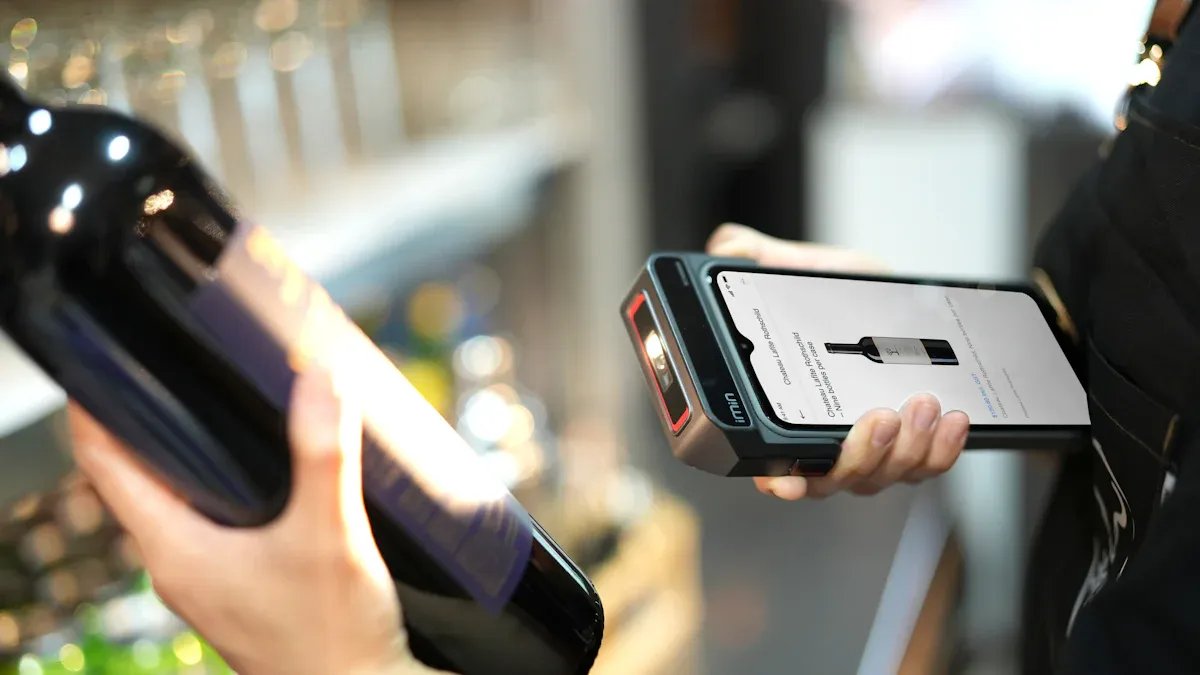
You can change how you manage store inventory with embedded rfid readers. Many stores have seen inventory accuracy go up from 65% to 95% after using embedded rfid readers. Some stores now say their accuracy is over 99%. Big brands like Walmart and Tesco use embedded rfid readers to make fewer mistakes and work faster. More than 93% of North American stores now use rfid for better control. SHENZHEN MARKTRACE CO.,LTD. is leading this change with advanced embedded rfid readers that give good results for your business.
Key Takeaways
Embedded RFID readers can make inventory accuracy go from 65% to over 99%. This helps stores keep better track of what they have. These readers can scan many items at the same time. This saves time when checking inventory and means less manual counting. Real-time tracking with RFID lets stores find missing items fast. It also helps stop mistakes with stock numbers. Using RFID can lower shrinkage a lot. Some stores see their losses go down by half. RFID systems collect data automatically. This means fewer mistakes and lets workers help customers more. Using RFID can make restocking faster. Shelves stay full and customers are happy. Teaching staff about RFID is very important for success. It also makes the store run better. You can start using RFID in one part of your store. This helps you see good changes before using it everywhere.
Embedded RFID Readers Overview
What Are Embedded RFID Readers?
Embedded rfid readers help you keep track of store items. They work with rfid tags and readers to follow products automatically. These readers are placed inside shelves, counters, or at store doors. They scan rfid tags on things as they come in or go out. This helps you keep good records and make fewer mistakes. You can link rfid readers to retail rfid software for quick updates. Many stores use rfid because it makes inventory work faster and simpler.
Tip: Embedded rfid readers do not need to touch rfid tags. You can scan many items at the same time, which saves time when checking stock.
Here is a table that lists the main features of embedded rfid readers used in stores:
Feature | Description |
|---|---|
Frequency Range Compatibility | Works with different frequency bands, good for long-range rfid in big spaces. |
Multi-Tag Reading Capability | Reads many rfid tags at once, so you spend less time scanning lots of items. |
High Read Accuracy | Uses special methods to read tags correctly even when there are many. |
Versatile Form Factors | Comes in many sizes and shapes for different uses. |
Connectivity Options | Can connect with USB, RS232, Ethernet, Wi-Fi, and Bluetooth for easy use. |
RFID Reader Types in Retail
There are different kinds of rfid readers for your store. Each kind is best for a certain job in the store.
Long-Range Readers
Long-range rfid readers can scan rfid tags from far away. You use them in big stores like supermarkets. The MR6211E from SHENZHEN MARKTRACE CO.,LTD. is one example. It helps you track items and move things in and out without much work. You can watch products in big areas without moving the reader.
RFID Reader Type | Reading Range | Suitability for Retail Applications |
|---|---|---|
Long-range | Large | Supermarkets and large retail spaces |
Middle-Range Readers
Middle-range rfid readers are good for medium stores and warehouses. The MR6221E model works well for keeping track of inventory. You can use these readers to scan rfid tags on shelves or pallets. They are a good mix of distance and accuracy, so many stores like them.
RFID Reader Type | Reading Range | Suitability for Retail Applications |
|---|---|---|
Middle-range | Moderate | Medium-sized stores and warehouses |
Short-Range Readers
Short-range rfid readers scan rfid tags that are close by. You use them in small shops or to track special items. The MR6261E model is great for fast scans at checkout or for smart inventory tracking. These readers help you get data quickly and keep your records right.
RFID Reader Type | Reading Range | Suitability for Retail Applications |
|---|---|---|
Short-range | Small | Small boutiques and specific item tracking |
How RFID Readers Work
RFID readers talk to rfid tags without wires. The reader sends a signal, and the tag sends back its data. You do not have to touch or see the tag. This makes checking inventory fast and simple. Handheld rfid readers can read, write, and change tag data. You can connect rfid readers to retail rfid software for quick updates. This system helps you manage stock, track items, and be more accurate in your store.
RFID technology lets you manage inventory without touching items.
You can scan many rfid tags at once, so big checks are easy.
Retail rfid software works with rfid readers to give you updates right away.
You can use rfid readers for tracking items, running your store, and moving goods.
Note: Embedded rfid readers from SHENZHEN MARKTRACE CO.,LTD. are steady and flexible. You can put them in many kinds of stores and connect them to your systems.
RFID and Inventory Accuracy
Real-Time Tracking
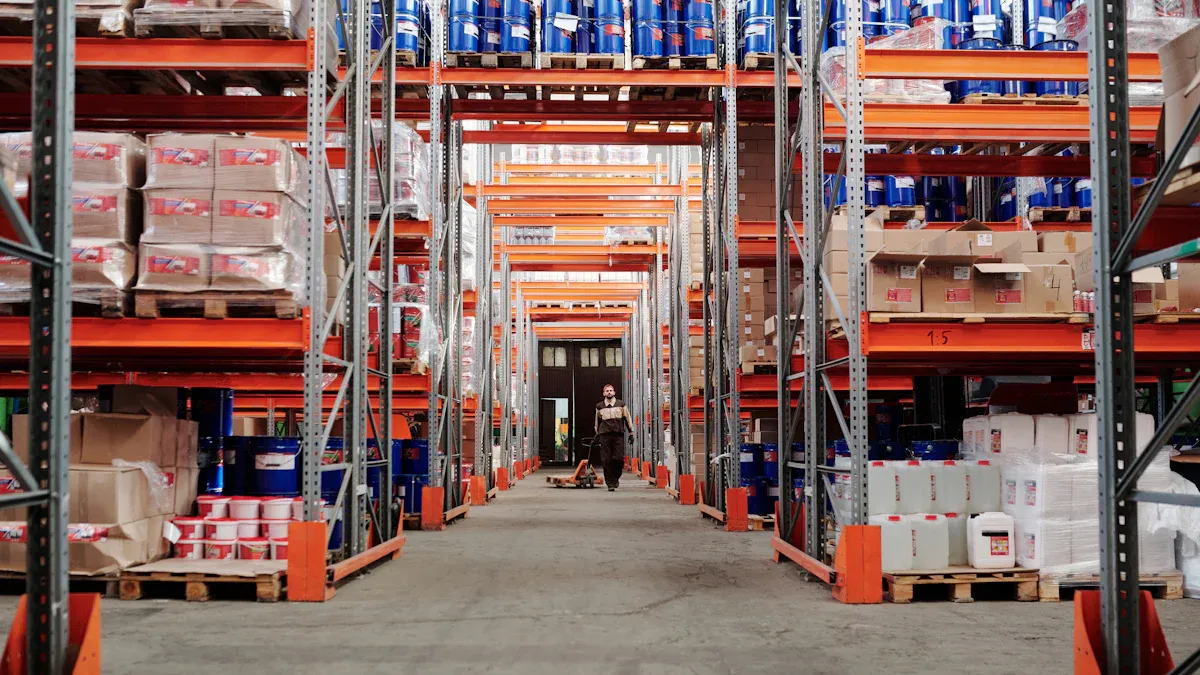
RFID inventory management helps you see where items are right now. You get instant updates for every product in your store. This makes it easier to know what is happening. You can find problems before they get worse. If something goes missing or moves, you can act fast.
Automated Data Collection
RFID inventory management systems collect data for you. You do not need to scan each item by hand. The readers catch signals from rfid tags as things move. You get updates on your stock all the time. This means you spend less time counting and more time helping people.
RFID lets you track every item in real-time.
You can always see your inventory.
Automated data collection makes warehouse tracking faster and cuts mistakes.
You can follow items as they come, go, or move.
Multiple Tag Reading
RFID inventory management lets you scan many items at once. The readers do not need to see each tag. You do not have to point them at every item. This saves time when you check stock or do audits. Multiple tag reading helps you keep good records and stops you from missing things.
Feature | RFID Technology | Traditional Barcode Scanning |
|---|---|---|
Line of Sight Requirement | No | Yes |
Simultaneous Tag Reading | Yes | No |
Data Capture Method | Automated, non-contact | Manual, contact required |
Inventory Updates | Continuous, real-time | Periodic, manual updates |
Error Rate | Much lower | Higher because of manual entry |
Error Reduction
RFID inventory management helps you make fewer mistakes in your store. The system keeps your records correct and your shelves full. You do not have to worry about errors from typing or lost items.
Minimizing Manual Entry
Manual entry causes lots of mistakes in inventory work. RFID inventory management does this job for you. You do not need to write numbers or scan each item one by one. The system updates your records right away. You get better accuracy and save time.
Benefit | Description |
|---|---|
Enhanced Productivity | Automates important inventory jobs, making audits faster and cutting mistakes from typing. |
Multiple Tag Scanning | RFID readers scan many tags at once, so there are fewer errors. |
Preventing Stock Discrepancies
Stock discrepancies happen when your records do not match your shelves. RFID inventory management helps you stop these problems. You get alerts if something moves without permission. You can track every item and always know what you have.
RFID technology helps you avoid inventory mistakes.
Your records match your real stock better.
RFID inventory management lowers theft and employee fraud.
You can track items from the warehouse to the store.
Issue with Traditional Methods | RFID Solution |
|---|---|
Slow Manual Counts | Gives you almost perfect stock visibility and fewer mistakes. |
Bad Inventory Tracking | Solves inventory problems and makes things more accurate. |
Improvement Area | RFID Impact |
|---|---|
Operational Workflows | Collects data automatically, so people make fewer mistakes. |
Stock Discrepancies | Cuts down on wrong shipments and saves money. |
Inventory Accuracy Rates
RFID inventory management helps stores reach high accuracy rates. Many stores had rates around 67% before. After using rfid, brands like Levi's Brazil, Nike, and Macy's have rates close to 99%. You get real-time tracking and can see every item, so you always know what is in stock.
RFID technology can boost inventory accuracy from 60% to over 98%.
Real-time tracking helps you control your inventory.
New rfid inventory management systems report accuracy rates between 98% and 99%.
Stores using real-time data see up to a 30% jump in accuracy.
Tip: You can use rfid inventory management for tracking in warehouses, for each item, and for your store. This helps you keep good records and full shelves.
Retail Benefits of RFID Readers
Shrinkage Reduction
Retail stores have many problems, but shrinkage is a big one. Shrinkage means losing items from stealing, mistakes, or cheating. RFID technology helps stop these losses. You can watch every item in your store very closely. This makes it simple to find missing things and fix the problem fast. RFID readers show you where things disappear, so you can stop it early.
Here is how RFID helps with shrinkage and loss in stores:
Evidence Type | Statistic |
|---|---|
Shrinkage Reduction | |
Inventory Accuracy Improvement | Up to 98% |
Top-line Sales Increase | 2-7% |
RFID helps you stop loss and makes your supply chain work better. You can see your stock clearly, which helps you protect your money. Store managers see fewer mistakes and less loss when they use RFID for tracking.
Enhanced Customer Experience
RFID technology does more than just stop loss. It also helps you give shoppers a better time in your store. You can keep shelves full and help people find what they want.
Accurate Stock Availability
You need to know what is in your store all the time. RFID lets you see your inventory right away. This means you can restock before customers notice things are missing. RFID tags change the counts by themselves, so you always have the right stuff on the shelf. One study showed stores using RFID had 55% fewer empty shelves in three months. This keeps shoppers happy and makes them want to come back.
RFID lets you check inventory levels right away.
You can stop customers from being upset.
Automatic updates tell you when to order more.
Faster Restocking
Restocking fast is important for good stores. RFID helps you see empty shelves right away. You can fill them up quickly, so customers do not wait. Real-time data at all your stores helps you refill shelves automatically. This keeps your shelves full and shoppers happy. You also make your supply chain work better by moving products smoothly.
Real-time data helps you restock quickly.
You see fewer empty shelves.
Following planograms better makes shopping nicer.
Operational Efficiency
RFID readers help your store run smoother. You save time and money by letting machines do many jobs. This makes your supply chain better and lets you help customers more.
Labor Cost Savings
You do not need as many workers to count items. RFID does the counting for you, so staff can do other things. This means you pay less for labor and give better service. Workers can spend more time helping shoppers instead of counting.
Fewer workers are needed for counting.
Staff can help customers more.
Speed of Scanning
RFID readers scan lots of items at once. You do not have to scan each thing by hand. This makes checkout faster and lines shorter. Automatic counting lets you check stock quickly, which saves time and money. You get a better supply chain and fewer mistakes.
Improvement Type | Description |
|---|---|
Automated Recording of Movements | RFID readers track items right away, so you do not need to count or enter data by hand. |
Reduced Errors and Better Traceability | Automatic tag reading stops mistakes and makes records more correct. |
Expanding Operational Intelligence | Real-time data from RFID helps you find problems and make better choices for your supply chain. |
You can see and control your store better. This means less loss, better prevention, and easier store management.
Supply Chain Visibility
You need to see every part of your supply chain to run a successful retail business. RFID technology gives you this power. When you use rfid readers, you can track products from the warehouse to the store shelf. You know where each item is at any time. This helps you avoid missing products and keeps your shelves full for customers.
RFID readers scan hundreds of items at once. You do not have to check each box or package by hand. This makes your work faster and more accurate. Many stores reach up to 99.99% accuracy with rfid. You can trust your inventory numbers and plan better for busy times. When you know what you have, you can order the right amount and avoid running out.
RFID gives you real-time updates. You see changes in your inventory as they happen. If something goes missing, you find out right away. This helps you stop theft and shrinkage. You also save money because you do not need as many workers to count items. Your team can focus on helping customers instead of checking stock.
Note: Real-time visibility means you can spot problems before they grow. You can fix issues quickly and keep your supply chain strong.
Many companies have seen big improvements after using rfid. Here are some examples:
A leading retail chain used rfid tags and readers to improve inventory accuracy. They kept shelves stocked and made customers happier by reducing stockouts.
A global logistics company used rfid to track assets in real time. They made their supply chain more efficient and could see where every item was at any moment.
Levi's Brazil raised their inventory accuracy from 67% to almost 100% in just 18 months with rfid.
The Siman Group improved their accuracy from about 65-70% to 95% after adding rfid systems.
You can use rfid to connect every part of your supply chain. You see products move from suppliers to your store. This helps you plan for sales, avoid extra stock, and keep costs low. When you have clear supply chain visibility, you make better decisions for your retail business.
Tip: Start with rfid in one part of your supply chain. Watch how it improves your accuracy and speed. Then, expand to other areas for even better results.
Implementation Challenges in Retail
Cost and ROI
You need to plan your budget before starting an rfid project in retail. The costs can add up quickly. You pay for rfid tags, readers, software, and setup. You also pay for licenses and maintenance each year. Here is a table that shows the main costs you might face:
Cost Component | Estimated Cost Range |
|---|---|
RFID Tags | $100 - $50,000 (for 1,000 tags) |
$3,000 | |
Asset Management Software | $1,000 per year |
Implementation Costs | $8,000 |
Licensing and Maintenance Costs | $5,000 per year |
Total Estimated Cost | $27,000 |
You measure return on investment (ROI) by looking at how much money you save and how much better your store works. RFID can help you cut labor costs, reduce mistakes, and stop theft. Over time, these savings can cover the cost of your system.
Tip: Start small with one store or section. Watch how rfid helps your business. Then, expand when you see good results.
System Integration
You must connect your rfid system to your other store systems. This step can be hard, especially if you use old technology.
Compatibility with POS/ERP
Many stores use older POS and ERP systems. These systems do not always work well with rfid data. You may need to update your software or add new tools. Here are some common challenges:
Old POS and ERP systems cannot read item-level rfid data.
You need to make old inventory work with new rfid systems.
Staff must learn new ways to do their jobs.
You may also need to change how you track items and handle sales. This takes time and effort.
Infrastructure Needs
Setting up rfid in retail means you need the right equipment and support. You must connect rfid readers to your network and make sure they work with your software. Here are some things to think about:
The cost to connect rfid to your IT systems can be high.
You must link rfid with important systems like ERP and warehouse management.
The setup process is complex and needs skilled people.
You may need to hire experts or train your team to handle these changes.
Data Security
You must protect your store’s data when you use rfid. Hackers can try to steal information or change your records. Here are some risks you should know:
Criminals can copy rfid tags to make fake products or get into secure areas.
Attackers may change product details, which can upset customers.
You can keep your data safe by using strong security steps:
Use encryption and authentication to protect data as it moves.
Set strict access rules so only trusted people can use the system.
Update your rfid software often to fix any weak spots.
You should also use AES encryption, role-based access controls, and regular audits. These steps help you spot problems early and keep your store safe.
Note: Good security keeps your business and your customers safe. Make sure you check your system often and train your staff to follow best practices.
Staff Training
You play a key role in making RFID technology work in your store. When you bring in new tools like RFID readers, your team needs to know how to use them well. Good staff training helps everyone feel ready and confident. You can start by explaining what RFID is and why it matters for your store. Show your team how RFID makes inventory checks faster and more accurate.
You should set up a training program before you launch RFID in your store. This program can include hands-on practice with RFID readers and software. Let your staff use mobile RFID scanners to check inventory. Give them time to ask questions and solve problems together. When your team understands the purpose of RFID, they will use it better every day.
Change can feel hard for many people. You can make it easier by using change management strategies. These strategies help your team adjust to new ways of working. You can talk about how RFID will change daily tasks and what new skills your team will learn. You can also set new goals and show how RFID helps reach them. When you focus on change management, you help your team feel less stressed and more excited about the new system.
Here are some steps you can take to train your staff and manage change:
Explain the benefits of RFID for your store and your team.
Give hands-on training with RFID readers and software.
Involve your staff in using the RFID system from the start.
Update your training as you add new features or tools.
Set clear goals and show how RFID helps reach them.
Listen to feedback and answer questions quickly.
You can use role-playing and real-life examples during training. For example, you can show how to scan many items at once or how to find missing stock. You can also let your team practice fixing common problems. This helps everyone learn by doing.
When you involve your staff in the process, you get better results. Your team will gather data more accurately and help improve inventory management. You will see fewer mistakes and faster work. Staff training is not just about learning new tools. It is about building a team that works together to make your store better.
Tip: Keep training sessions short and focused. Use simple language and repeat key points. This helps everyone remember what to do and feel confident using RFID every day.
Real-World RFID Applications
Retail Success Stories
You can see how rfid changes retail by looking at real stores. Many companies use rfid to solve problems and make their work better. SHENZHEN MARKTRACE CO.,LTD. has helped stores use rfid readers to track items and improve accuracy. Other big names have also seen great results.
Here is a table with some well-known examples:
Retailer | Implementation Details | Benefits |
|---|---|---|
Zara | Used rfid in every product since 2014. | Checks inventory twice a week, fills orders faster. |
Kroger | Put rfid labels in the bakery for Zero Hunger | Zero Waste. Counts inventory automatically, throws away less food, helps customers faster. |
You can learn from these stories. Zara uses rfid to check stock more often and keep shelves full. Kroger uses rfid to cut waste and serve people better. SHENZHEN MARKTRACE CO.,LTD. has helped many stores use rfid readers like the MR6211E, MR6221E, and MR6261E to get real-time data and keep records right. These examples show that rfid works in many types of retail.
Note: When you use rfid, you can see what you have, find missing items, and help shoppers quickly.
Best Practices
You can make your rfid project a success by following some simple steps. Many stores have learned what works best.
Focus on change management, not just the technology.
Tell your team how rfid helps them do their jobs.
Start small with one area, then grow bigger.
Pick a leader in each store to help others use rfid.
Give your team training all the time.
Use real numbers to see how well rfid works.
Get support from top leaders in your company.
Choose the most important jobs for rfid first.
Use rfid to keep your inventory right and refill shelves fast.
Build systems that work in stores and online.
Use rfid data to stop loss and theft.
You should always check your results and make changes when needed. When you train your team and show them the benefits, they will use rfid better. You can start with one store or one part of your supply chain. As you see good results, you can add rfid to more places.
Tip: Pick a champion in your store who knows rfid well. This person can help others and answer questions.
You can use these best practices to get the most from rfid in retail. You will see better accuracy, less waste, and happier customers.
Future Trends in RFID for Retail
Technology Advancements
You will see many new changes in rfid technology. These changes make it easier for you to manage your store. Today, rfid tags cost less than a nickel. This low price means you can use rfid on more products. You can now track almost every item in your store and reach inventory accuracy rates of over 98%. This helps you avoid stockouts and keeps your shelves full.
rfid technology now lets you track inventory with 99% accuracy.
rfid software gives you real-time data and analytics, so you can make better decisions.
Cloud platforms make it simple to set up rfid systems and get the most value from your data.
New rfid solutions can automate many inventory tasks, saving you time and effort.
"The primary thing is to have your inventory accurate. How much time do you waste when an associate is running around the store trying to find stuff? There is a huge opportunity to improve the experience when the customer comes to the store and interacts with the associate." — Greg Buzek, IHL Group
You will also see rfid in self-checkout systems and smart shelves. Smart fitting rooms use rfid to learn what customers like. These tools help you understand your shoppers and keep your store running smoothly.
Expanding Use Cases
rfid is not just for tracking items. You can use it in many new ways in retail. Here is a table that shows some of the latest uses:
Use Case | Description |
|---|---|
Item-level RFID | Lets you see every product in your store or warehouse. |
Digital Product Passports | Connects each item to a digital record for better tracking and compliance. |
Automated Experiences | Makes self-checkout and returns faster and easier for your customers. |
Sustainability Traceability | Shows where products come from and proves they are made responsibly. |
Smarter Tag Engineering | Uses thinner and stronger tags that work in tough places. |
You can use rfid to support green goals and show customers you care about the planet. Digital product passports help you meet new rules and keep your business ready for the future.
Retail Transformation
rfid will change how you run your store. You will see fewer mistakes and more happy customers. Macy’s used rfid and cut ship-from-store cancellations by 32%. Stores with rfid customer tools see basket sizes go up by 15–25%. Staff can help more customers because they spend less time searching for products.
rfid and AI together can lower your store costs by 10–15%.
You can use rfid to make shopping smoother and faster.
Smart shelves and fitting rooms help you learn what your customers want.
You will find that rfid makes your store smarter and more efficient. You can keep up with new trends and give your shoppers a better experience every day.
You can make your store’s inventory more accurate with embedded rfid readers. These readers also help your store work better every day. Research shows rfid technology can make inventory accuracy go up by 13% over old ways. When you pick an rfid solution, you should think about some key things:
Factor | Description |
|---|---|
Regulatory Compliance | Follow industry rules and keep data safe. |
Aligning RFID Goals with Business Objectives | Make sure rfid goals match your business plan. |
Developing a Scalable RFID Tagging Strategy | Use good steps for easy setup and growth. |
Choosing the Right RFID Tags | Pick tags that work well for your items. |
Choosing between Pre-Printed RFID tags and Blank Labels | Choose what fits your inventory work best. |
Integration with Existing Systems | Check that your rfid system works with your other tools. |
You will see rfid get even better in stores soon. Watch for faster speed, lower prices, and new things like IoT and sensors. These changes will help your store stay ready for what comes next.
FAQ
What is an embedded RFID reader?
An embedded RFID reader is a device that scans RFID tags inside shelves, counters, or doors. You use it to track products in retail stores without touching each item.
How does RFID improve inventory accuracy in retail?
RFID gives you real-time updates on every product. You can scan many items at once. This helps you keep better records and avoid mistakes in your retail store.
Can RFID readers work with my current retail systems?
Most RFID readers connect to popular retail software. You may need to check compatibility with your point-of-sale or inventory management system before starting.
How fast can RFID readers scan items?
RFID readers scan hundreds of tags in seconds. You do not need to scan each item one by one. This saves you time during inventory checks.
Are RFID readers secure for retail use?
You can keep your data safe by using encryption and access controls. Regular software updates help protect your retail business from security risks.
What types of RFID readers are best for retail?
You choose long-range readers for big stores, middle-range for medium spaces, and short-range for small shops. Each type fits different retail needs.
Do I need special training to use RFID readers?
You and your team can learn to use RFID readers with simple training. Most systems have easy-to-follow instructions for retail staff.
Can RFID help reduce theft in my retail store?
RFID lets you track every item. You see when products move or go missing. This helps you stop theft and keep your retail store safe.
Tip: Start with RFID in one area of your retail store. Watch how it improves accuracy and speed before expanding.
- Next>:Advantages of Embedded RFID Readers in Asset Tracking

 2026-06-04
 Blogs
Blogs