
LF, HF, UHF Embedded RFID Readers: Which One Do You Need?
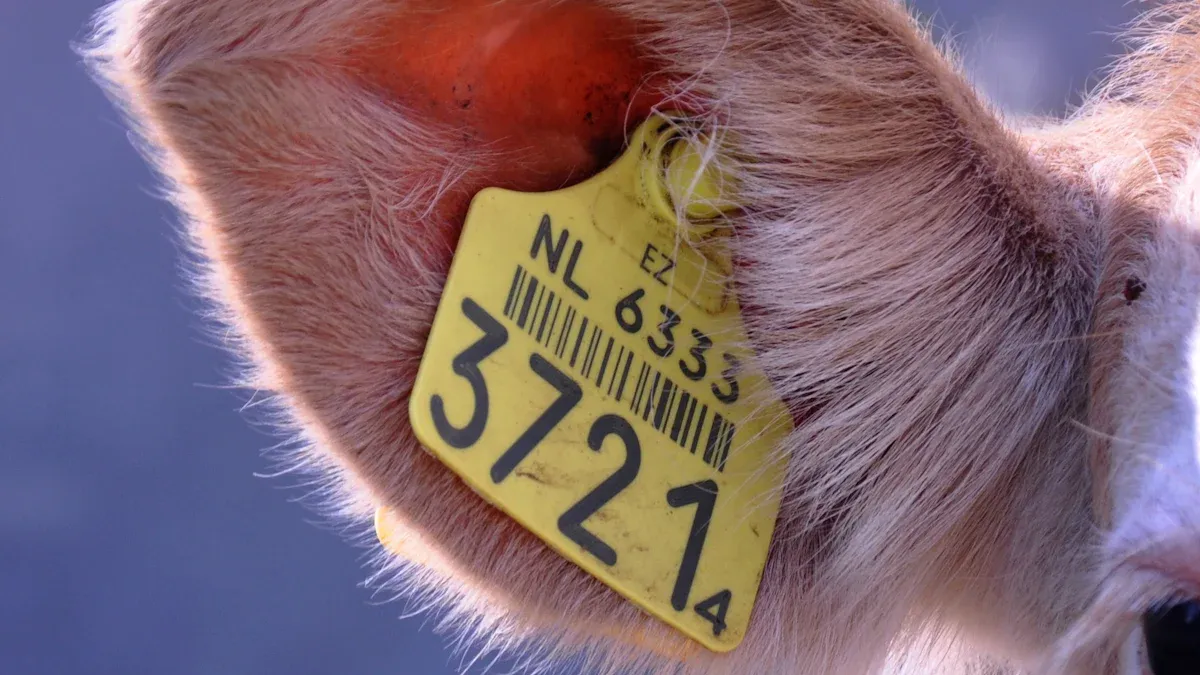
You need the right RFID reader for your project. The main RFID frequency bands—LF, HF, and UHF—offer different benefits. Your decision depends on the environment, read range, and what you want to track. UHF RFID readers now lead the market in speed and multi-tag reading. Many industries choose them for supply chain and logistics. SHENZHEN MARKTRACE CO.,LTD. uses advanced RFID technology in the MR6211E UHF RFID Reader, giving you powerful performance in modern Embedded RFID Readers.
Key Takeaways
Learn about the three main RFID frequency types: LF, HF, and UHF. Each type works best for different jobs because of how far they can read and what they are used for. LF readers work well for short distances, usually up to 10 cm. You can use them for things like tracking animals or controlling who can enter a place. HF readers can read from a medium distance, up to 1 meter. They work well in places like hospitals and libraries. UHF readers are good for long distances, up to 12 meters. They are great for keeping track of inventory and supply chains. Think about the environment when picking a reader. Things like metal and water can mess up RFID signals and make them not work as well. Always pick the RFID frequency that fits your job best. This helps the system work better and saves you from wasting money. Try out your RFID system in real life before using it everywhere. This lets you find problems and make the system work better. Plan for the future. UHF readers might cost more at first, but they can grow with your needs and give you more options later.
RFID Frequency Ranges Overview
LF, HF, UHF Basics
You need to understand the basics of rfid frequency ranges before choosing the right reader. The three main types are lf, hf, and uhf. Each type uses a different frequency and works best for certain tasks. lf stands for low frequency. hf means high frequency. uhf is ultra-high frequency. These rfid frequency ranges help you match the right reader to your needs.
Here is a simple table showing the main frequency bands and their ranges:
Frequency Band | Frequency Range | Read Range |
|---|---|---|
Low Frequency (LF) | 125 kHz and 134 kHz | 10 to 50 cm |
High Frequency (HF) | 13.56 MHz | 10 cm to 1 m |
Ultra-High Frequency(UHF) | 860 to 930 MHz | Varies (typically longer than LF and HF) |
lf rfid readers use the lowest frequency. They work well for short distances and simple tasks. hf rfid readers use a higher frequency. They can read tags from a bit farther away. uhf rfid readers use the highest frequency. They can read tags from much longer distances.
Read Range and Performance
You want to know how far each rfid reader can scan. The read range depends on the rfid frequency ranges. lf readers usually scan up to 10 cm. hf readers can reach from 10 cm to 1 meter. uhf readers can scan from 1 meter to 12 meters or more. This makes uhf rfid readers popular for tracking many items at once.
Here is a quick table to help you compare:
RFID Type | Typical Read Range |
|---|---|
LF | Up to 10 cm |
HF | 10 cm to 1 meter |
UHF | 1 meter to 12 meters or more |
You should choose the rfid frequency range that matches your application. lf is best for close-up scanning. hf works well for medium distances. uhf is perfect for long-range and fast scanning.
Environmental Factors
You need to think about the environment where you use rfid readers. Metal surfaces can block or reflect rfid signals. Water can absorb radio waves, especially those from lf systems. Electromagnetic interference from other devices can also affect performance. You should place your rfid readers away from large metal objects and sources of interference. This helps you get the best results from your chosen rfid frequency range.
Many people search for rfid frequency ranges online because they want to find the best fit for their needs. You should always match the frequency to your environment and application. This helps you avoid problems and get reliable results.
Embedded RFID Readers: LF, HF, UHF Compared
LF Embedded RFID Readers
Key Features
LF embedded rfid readers use low frequency signals. They work in the 125–134 kHz range. You can see their main features in this table:
Characteristic | Specification |
|---|---|
Frequency Range | 125–134 kHz |
Applications | Animal tracking, access control, industrial use |
Read Range | Short (~10 cm) |
LF embedded rfid readers have a simple design. They are reliable for scanning things close by.
Strengths & Limitations
LF readers work well near metal or water. They do not get much interference from other things. Their short range means they only scan small areas. LF readers process data slower than hf and uhf readers.
Best Use Cases
You should use lf embedded rfid readers for animal ID, access control, and factory automation. These readers are good for scanning tags up close and in hard places.
HF Embedded RFID Readers
Key Features
HF embedded rfid readers use 13.56 MHz. They are good for scanning at medium distances. These readers keep data safe and do harder jobs than lf readers.
Strengths & Limitations
HF readers send data faster and can read many tags at once. They work fine where there is some interference. Their range is about 1 meter. HF readers are not as good as uhf readers for reading lots of tags at once.
Best Use Cases
You can use hf embedded rfid readers in hospitals, libraries, and payment systems. Here are some good ways to use them:
Keeping track of medicine
Library book tracking
Secure payment cards
HF embedded rfid readers help keep things safe and correct in hospitals and stores.
UHF Embedded RFID Readers
Key Features
UHF embedded rfid readers use 860 to 930 MHz. They can scan from far away and process data fast. One reader can scan hundreds of tags every second. UHF readers work in many places and with different systems.
The MR6211E UHF RFID Reader from SHENZHEN MARKTRACE CO.,LTD. uses advanced technology for long-range jobs. It works well and reads data from far away. If you need to scan at medium range, you can pick the MR6221E. For short range, the MR6261E is a good choice.
Strengths & Limitations
UHF readers can scan things from many meters away, sometimes over 12 meters. They read fast and can scan many items at once. This makes them great for supply chains. UHF readers work in many places and fit with other systems easily.
Best Use Cases
You should use uhf embedded rfid readers for asset tracking, inventory, and watching animals. These readers are best for warehouses, shipping, and big jobs. You can scan things without opening boxes, which saves time and helps you be more accurate.
Tip: If you want your rfid system to last, think about uhf embedded rfid readers like the MR6211E for big and long-range jobs.
Choosing the Right RFID Frequency Range
Application Needs
You need to start by looking at your application. The type of RFID you choose depends on what you want to track and how far you need to read tags. If you work with access control systems, you often use LF or HF readers because they work well for close or medium distances. UHF readers fit best when you need to track many items over a long range, like in supply chain or warehouse settings.
Here is a table to help you compare the main factors for LF, HF, and UHF:
Factor | LF (Low Frequency) | HF (High Frequency) | UHF (Ultra High Frequency) |
|---|---|---|---|
Read Range | Shorter, ideal for close applications | Moderate, suitable for various uses | Longer, suitable for supply chain applications |
Environmental Sensitivity | Sensitive to metal, requires air gap | Sensitive to metal, requires air gap | Can be used with metal if air gap is present |
Application Examples | Tracking humans and animals | Access control systems, payment systems | Supply chain, pallet tracking |
Material Compatibility | Works well with aqueous content | Works well with aqueous content | Requires separation from aqueous materials |
You should match the read range of RFID tags to your needs. If you need to scan tags from a short distance, LF works best. HF gives you a bit more range and is good for access control systems or payment cards. UHF is the right choice for long-range tracking and fast scanning in big spaces.
Environmental Considerations
You need to think about where you will use your RFID system. Metal and liquids can block or change RFID signals. LF and HF readers work better with items that have water inside, like animals or people. UHF readers need a gap between the tag and metal or liquid to work well.
When you plan your RFID setup, check for things that might cause interference. Here are some tips:
Place tags away from metal surfaces.
Use tags made for high-metal environments if you need UHF.
Choose rugged RFID tags and readers for harsh conditions.
Put readers in protective cases if you work outside or in tough places.
You should always test your RFID system in the real environment before you use it for your application. This helps you avoid problems with interference and get the best range.
Budget and Scalability
You need to think about your budget and how your system might grow. LF and HF readers often cost less and work well for small projects or simple access control systems. UHF readers may cost more, but they give you longer range and can handle more tags at once. If you plan to expand your system, UHF gives you more flexibility.
Here is a practical checklist for choosing the right RFID frequency range:
Define your application and what you need to track.
Decide how far you need to read tags (read range requirements).
Check your environment for metal, liquids, or other sources of interference.
Choose the RFID type that matches your needs: LF for close range, HF for medium range, UHF for long range.
Think about your budget and future growth.
Test your system before you use it fully.
Tip: Always match your RFID frequency to your application and environment. This helps you avoid wasted money and poor performance.
Common Mistakes and How to Avoid Them
Many people make mistakes when choosing RFID systems. You can avoid these problems by following simple steps:
Not checking the read range before buying.
Placing tags too close to metal, causing interference.
Using the wrong RFID type for your environment.
Forgetting to test the system in real conditions.
You can fix these mistakes by:
Optimizing tag placement away from metal.
Using UHF tags made for metal environments.
Choosing LF RFID for places with lots of metal or water.
Using rugged tags and protective cases for tough environments.
If you follow these steps, you will get better results from your RFID system and avoid common problems.
Embedded RFID Readers Comparison Table
LF vs HF vs UHF: Quick Reference
You want to choose the right RFID reader for your project. A quick comparison helps you see the differences between LF, HF, and UHF embedded RFID readers. You can use this table to compare important features like frequency range, read range, data speed, cost, and best usage. This makes it easier for you to decide which reader fits your needs.
Feature | LF RFID (Low Frequency) | HF RFID (High Frequency) | UHF RFID (Ultra High Frequency) |
|---|---|---|---|
Frequency Range | 30 kHz – 300 kHz | 13.56 MHz | 860 MHz – 960 MHz |
Read Range | Up to 10 cm | Up to 50 cm | Up to 10 meters (passive) |
Data Speed | Low | Moderate | High |
Cost | Low | Moderate | Moderate to High |
Performance Near Metal/Liquid | Excellent | Good | Poor (can be mitigated) |
Common Uses | Animal tracking, access control | Libraries, contactless payments | Inventory, logistics, retail |
You see that LF RFID readers work best for short-range scanning. You use them for animal tracking and access control. These readers handle tags well near metal or liquid. HF RFID readers give you a moderate read range and faster data speed. You use them in libraries and for contactless payments. HF readers work well with tags in many environments. UHF RFID readers offer the longest read range and highest data speed. You use them for inventory, logistics, and retail. UHF readers scan many tags quickly, making them perfect for large-scale usage.
When you look at the table, you notice that cost changes with each type. LF readers cost less and work for simple usage. HF readers cost a bit more and handle more complex tasks. UHF readers may cost more, but you get better performance and longer range. You need to think about your budget and how many tags you want to scan at once.
You should also consider the environment. LF readers work well near metal and water. HF readers handle most environments. UHF readers need special tags or placement if you have lots of metal or liquid. You want to match the reader to your usage and the type of tags you plan to use.
Tip: Always check your application before you choose a reader. If you need to scan many tags quickly, UHF RFID readers give you the best usage. If you only need to scan a few tags up close, LF or HF readers may be enough.
You can use this quick reference table to guide your decision. Think about your usage, the number of tags, and the environment. This helps you pick the right embedded RFID reader for your needs.
UHF RFID in Modern Applications
MR6211E UHF RFID Reader Features
You want a reader that works well and is dependable. The MR6211E UHF RFID Reader from SHENZHEN MARKTRACE CO.,LTD. helps you track assets and inventory quickly and correctly. This reader uses advanced technology to scan tags from far away. You can collect data from many items at the same time. This makes your job faster and easier.
You get many benefits when you use the MR6211E for asset tracking and inventory:
You can see your inventory better and scan faster. The reader can read RFID tags from far away and in any direction. This helps you check your inventory more often and with less work.
You spend less money on workers. You do not need as many people for inventory jobs because the MR6211E does scanning and data collection by itself.
You can keep track of returnable assets. You can watch items as they move through your supply chain. This helps you lose fewer items and keep better control over your important things.
The MR6211E works well for big jobs. You can use it in warehouses, factories, and large stores. The reader does a good job in busy places and keeps your data safe. You can always get the information you need, which helps you make better choices and keeps your business secure.
Use Cases: Asset, Inventory, Livestock
You can use UHF RFID readers in many types of businesses. Here are some common ways people use them:
You can track inventory in stores. You scan products fast and keep shelves full.
You can track pallets. You follow shipments as they move through your supply chain.
You can watch items during production. You know where things are as they are made.
You can manage vehicles and equipment in big outdoor areas.
You can let suppliers see real-time stock levels.
You can track people. You make sure only the right people go into certain areas.
You can track luggage. You keep bags safe and make sure they get to the right place.
You can track medical equipment and patient records in hospitals.
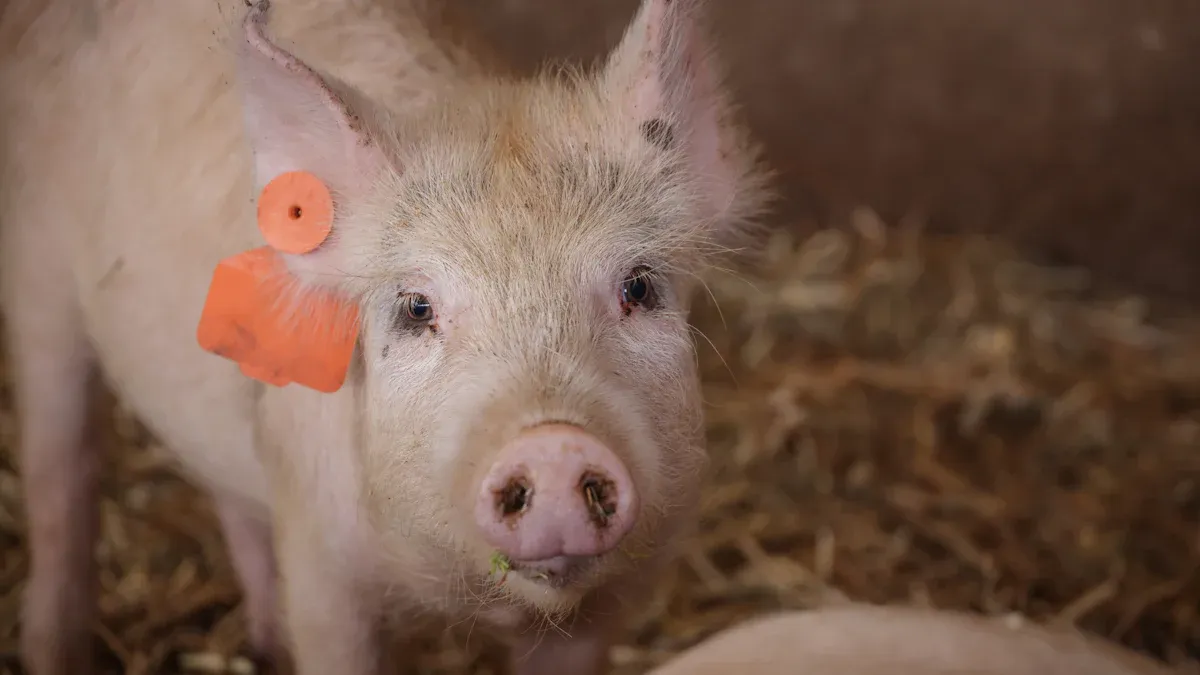
UHF RFID also helps with livestock tracking. For example, a cattle ranch in Texas uses a UHF reader to scan hundreds of cows each week. The reader tracks weight, shots, and breeding cycles. You can find sick animals fast and keep health records safe. Dairy farms use UHF RFID to track milk and animal health. You get good data and can check animal records easily.
Note: UHF RFID readers help you keep things safe and control who gets in. You can protect your things, watch inventory, and keep important areas secure.
SHENZHEN MARKTRACE Product Range
You have choices when you pick UHF RFID readers from SHENZHEN MARKTRACE CO.,LTD. The MR6211E is best for long-range and big jobs. If you need a reader for medium distances, you can pick the MR6221E. For short distances, the MR6261E works well.
Advanced UHF RFID solutions help you get ready for the future. You can add more readers as your business grows. The design lets you upgrade without buying everything new. These readers follow industry rules, so they work with other systems and keep your data safe. You can trust your system to keep working as things change.
You should think about UHF RFID readers if you want better access, more safety, and good data management. The SHENZHEN MARKTRACE product range gives you many options and peace of mind. You can pick the right reader for your needs and get your business ready for what comes next.
You need to match the right RFID frequency to your tracking needs. LF, HF, and UHF readers each work best for different tracking jobs. Use the comparison table and checklist to help you decide. If you want better tracking for your business, talk to RFID experts or look at SHENZHEN MARKTRACE’s product range. You can find the best solution for your tracking challenges.
FAQ
What is the difference between LF, HF, and UHF frequency ranges?
You see three main frequency ranges in rfid: LF (low frequency), HF (high frequency), and UHF (ultra-high frequency). Each frequency range gives you different read distances and works best for certain jobs.
How do I choose the right frequency range for my application?
You should look at your environment, the items you want to track, and the read range you need. Each frequency range fits different needs. LF works for short range, HF for medium range, and UHF for long range.
Can metal or water affect rfid frequency range performance?
Yes, metal and water can change how well your rfid system works. LF and HF frequency ranges handle these materials better. UHF frequency range needs space between the tag and metal or water for best results.
What is the typical read range for each frequency?
Frequency Range | Typical Read Range |
|---|---|
LF | Up to 10 cm |
HF | Up to 1 meter |
UHF | Up to 12 meters |
You get longer read range with higher frequency ranges.
Why does frequency matter in embedded rfid readers?
Frequency affects how far you can read tags, how fast you get data, and where you can use your reader. You need to match the frequency range to your job for best results.
Can I use one frequency range for all my tracking needs?
You should not use one frequency range for every job. Each frequency range works best for certain tasks. LF fits animal tracking, HF fits payment systems, and UHF fits inventory and asset tracking.
How does frequency range impact data speed?
Higher frequency ranges like UHF give you faster data speed. You can scan more tags in less time. LF and HF frequency ranges work slower but may fit jobs that need close-up scanning.
Do all rfid tags work with every frequency range?
No, rfid tags are made for specific frequency ranges. You need to pick tags that match your reader’s frequency range. Always check tag and reader compatibility before you buy.
Tip: Always test your rfid system in your real environment. This helps you see how the frequency range works for your needs.
- Next>:Embedded RFID Readers vs. Standalone RFID Systems: Key Differences

 2025-12-18
 Blogs
Blogs