
Embedded RFID Readers vs. Standalone RFID Systems: Key Differences
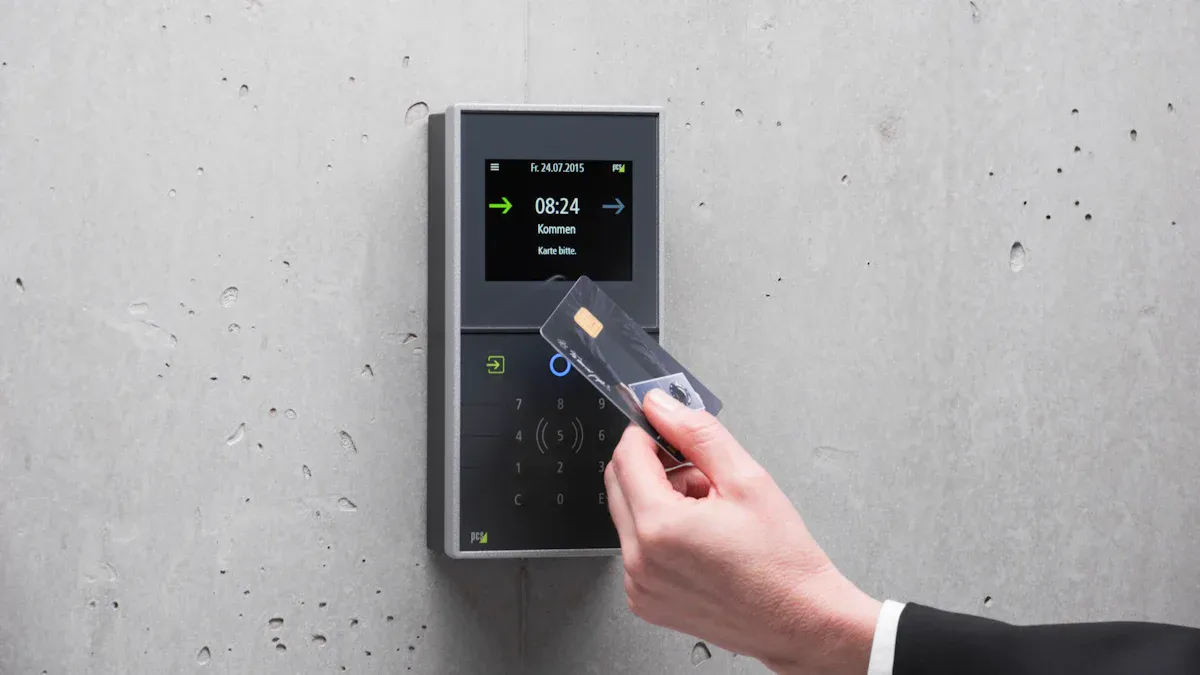
You should learn how Embedded RFID Readers are not the same as standalone RFID systems. These two options do RFID jobs in different ways. Embedded RFID Readers are inside a bigger device or system. Standalone RFID systems work by themselves. Picking one or the other can change how you keep track of things, follow people, or control who gets in.
Choosing the best one helps you save time, spend less money, and do things better.
Key Takeaways
Embedded RFID readers go inside devices. This saves space. It also makes installation easier.
Standalone RFID systems work by themselves. They give more options for bigger spaces.
Pick embedded readers for setups that stay in one place. Use standalone systems for tracking that you can change.
Think about the price. Embedded readers usually cost less to put in and take care of than standalone systems.
Look at what you need to track. This helps you pick the best RFID technology for your business.
Get ready for growth. Choose RFID systems that can change when your needs do.
Try your RFID setup where you will use it. This makes sure it works well and fits your needs.
Talk to experts. They help you find the best RFID solutions for your type of work.
RFID System Basics
What Is an RFID System
You use an RFID system to identify and track objects or people without touching them. The system works by sending radio waves between a reader and a tag. The tag has a microchip and an antenna. The reader sends a signal, and the tag answers with its stored information. You do not need to see the tag or be close to it. This makes RFID useful for many jobs, like tracking inventory or checking who enters a building.
Here is a table that shows the main parts of an RFID system and what each part does:
Component | Function |
|---|---|
RFID Tag | Holds data about the item or person. |
RFID Reader | Reads the data from the tag using radio waves. |
RFID Antenna | Helps send and receive signals between the tag and reader. |
RFID Management Software | Organizes and uses the data collected by the reader. |
You can see how each part works together to make the system run smoothly. The tag stores the information, the reader gets the data, and the software helps you use it.
Embedded RFID Readers Overview
Embedded RFID readers sit inside a larger device or system. You find these readers in machines, gates, or even smart shelves. The reader works as part of the whole device, not by itself. You get a simple setup because the reader is already built in. This makes it easy for you to use RFID in your daily work.
Integrated RFID readers are a type of embedded reader. They have antennas built into the reader. You do not need to add extra antennas. This saves you time and money. The MR6211E UHF RFID Reader from SHENZHEN MARKTRACE CO.,LTD. is a good example. You can use it for long-range tasks, like tracking assets or people in large areas. The integrated design helps you install the reader quickly and start using it right away.
Non-Integrated RFID Readers Overview
Non-integrated RFID readers work differently. You connect these readers to external antennas. This gives you more choices for how you set up your system. You can cover bigger spaces or use special antennas for tough jobs. Non-integrated readers cost more, but you get more control over your RFID setup.
Here is a table that compares integrated and non-integrated RFID readers:
Type of RFID Reader | Description |
|---|---|
Integrated RFID Readers | Built-in antennas, easy to use, lower cost, fewer antenna options. |
Non-Integrated RFID Readers | Connect to many antennas, flexible setup, bigger coverage, higher cost. |
You choose the type that fits your needs. If you want a simple system, go with integrated readers. If you need more options, non-integrated readers give you that flexibility.
Key Differences: Embedded vs. Standalone RFID
Integration and Architecture
There is a big difference in how these two fit into your work. Embedded rfid readers are inside bigger devices, like smart shelves or gates. They work as part of something larger. You do not need to add extra equipment. Standalone rfid systems work alone. You set them up as separate units. These systems need more planning and space.
Integrated rfid readers give you a simple setup. The reader and antenna come together in one box. This saves you time when you install them. Non-integrated rfid readers let you use different antennas. You can cover bigger areas or special places. This helps you make a custom rfid tracking system.
Here is a table that shows how integration changes scalability and interoperability:
Aspect | Description |
|---|---|
RFID integration gives you instant data, so you can make quick choices and respond fast. | |
Centralized Data Management | You can manage all your data in one place, which makes things easier and helps you grow. |
Seamless Integration | RFID systems can connect with other tech easily, so everything works together. |
Tip: If you want your rfid system to grow with your business, pick readers that can change as you need. This helps you keep your system flexible for a long time.
Hardware and Performance
You should look at hardware and performance when you compare these two. Embedded rfid readers often use advanced modules. These help you read tags fast and correctly. Integrated rfid readers, like the MR6211E UHF RFID Reader, work well for long-range tracking. You can read tags from far away and read many tags at once.
Standalone rfid systems might use non-integrated rfid readers. You can add different antennas to these readers. This lets you read tags in bigger spaces. You get more control over your system. Some readers use special modules, like the TSL® engine with embedded Impinj R2000. This makes reading faster and moves more data.
Here is a table that compares hardware features:
Feature | Specification |
|---|---|
Frequency Range | 840MHz~960MHz |
>600 tags/sec | |
Reading Range | 0-15m (EPC Reading), 0-7m (Writing) |
RF Power (Port) | 33dBm±1dBm (Adjustable) |
Both types of readers work well. Embedded rfid readers are small and easy to use. Standalone systems let you change your setup for special jobs.
Software and Connectivity
You also need to think about software and connectivity. Embedded rfid readers work with many software platforms. You can set them up to match your current systems. They connect with Ethernet, RS-485, USB, or wireless. This makes it easy to add rfid tracking to your work.
Standalone rfid systems also have many ways to connect. You can use them with older PLCs and controllers. Some readers, like Cykeo, can talk in two ways. This helps you use new rfid with old systems. Middleware helps you sort and change data formats. This keeps your data moving smoothly between rfid and old software.
Here is a table that compares software and connectivity features:
Feature | Embedded RFID Readers (ELATEC) | Standalone RFID Systems (Cykeo) |
|---|---|---|
Software Configurability | Yes | Yes |
Connectivity Options | Ethernet, RS-485, USB, Wireless | Ethernet, RS-485, USB, Wireless |
Multi-Technology Support | RFID, NFC, BLE | Legacy protocols, IoT standards |
Integration Capability | High | High |
Future-Proof Design | Yes | Yes |
ELATEC readers work well with many uses, like door access and factory machines.
Cykeo readers can talk in two ways, so they work with older systems.
Middleware helps you handle data between rfid and old software.
Both types of readers give you good software support and many ways to connect. This helps you build a strong rfid tracking system that fits what you need.
Advantages and Disadvantages
Embedded RFID Readers: Pros & Cons
Advantages
Embedded rfid readers have many good points. They help you save space in your devices. Your tools can be smaller and lighter. These readers use less power, so batteries last longer. You spend less money when you use them for big projects. Their small size makes it easy to add them to many systems.
Here is a table that shows the main advantages:
Advantage | Description |
|---|---|
Compact Size | Smaller form factor allows for efficient use of space in final products. |
Energy Efficiency | Lower power consumption is crucial for battery-powered devices. |
Cost-Effective | More affordable than fixed readers, enabling scalability for mass production. |
Ease of Integration | Compact nature facilitates integration into various systems. |
You can put embedded rfid readers in smart shelves and gates. They help you track things and people without extra parts.
Disadvantages
There are some problems with embedded rfid readers. Some cost more than other types. Metal or water can block the signal and cause trouble. If too many tags answer at once, reading slows down. You must carry RFID cards, and losing them can slow you down. If someone gets your card, they might steal your data.
Some readers cost a lot
Metal or water can cause problems
Too many tags can slow reading
You have to carry RFID cards
Lost or stolen cards can be a risk
Standalone RFID System: Pros & Cons
Advantages
Standalone rfid systems have strong benefits for tracking things. You know where your items are and how they move. You can read lots of tags at the same time. This helps you work faster and make fewer mistakes. The system gives you updates right away, so you always know what is happening. You can follow goods as they move and help customers better. Security is better because you see who has each item. You save money by needing less work and losing fewer things.
Here is a table that lists the main benefits:
Benefit | Description |
|---|---|
Improved Asset Tracking | Provides precise insight into asset location, status, and movement. |
Enhanced Inventory Management | Offers immediate access to granular data for better stock level tracking. |
Operational Efficiency | Increases efficiency by allowing multiple tags to be read at once. |
Elimination of Human Error | Reduces transcription errors and data duplication. |
Real-Time Asset Visibility | Maintains detailed records of asset inspections and maintenance needs. |
Better Traceability | Enables tracking of goods throughout the supply chain. |
Improved Customer Experience | Shortens processing times and avoids stockouts. |
Enhanced Security | Provides tracking to deter theft and counterfeiting. |
Cost Savings | Streamlines operations leading to lower labor costs and reduced inventory losses. |
Better Decision-Making | Facilitates informed decision-making through accurate data collection and analysis. |
Disadvantages
Standalone rfid systems also have some limits. Sometimes, you do not get enough data to decide things. You need leaders to help make the system work well. The technology can be hard to use and connect with other systems. You may need more money to start using it. Many companies start small before using more rfid.
Critical Success Factors | |
|---|---|
Lack of information | Top management support |
Insufficient budget | Commitment of leadership |
Complexity of technology and systems | Integrating the data collected |
Coordinating among departments | |
Starting with small RFID projects |
Tip: Plan your rfid project with your team. This helps you avoid problems and get the best results.
Practical Considerations for RFID
Installation and Space
When you set up an RFID system, think about space. Embedded RFID readers fit inside other devices. This saves room in your workspace. You can put these readers in smart shelves or gates. Your setup looks neat and tidy. You do not need extra boxes or cables. The MR6211E UHF RFID Reader is one example. You can use it for long-range reading without clutter.
Standalone RFID systems need more space. You set up these readers by themselves. They often use outside antennas. These systems work well in big warehouses or outdoors. You can make larger read zones and cover more area. You may need to plan for cables and mounts. You also need power sources for these readers. If you want to track things in a big place, standalone readers give you more choices.
Tip: Measure your space before you pick your RFID system. This helps you choose the right readers and avoid problems when you install them.
Flexibility and Customization
You want your system to change as your business grows. Embedded RFID readers work best in fixed setups. You use them in smart shelves or entry gates. The system is simple and does its job every day. If you change your layout, you may need to move or swap the whole device.
Standalone RFID systems are more flexible. You can add or move readers to make new read zones. Handheld RFID readers give you even more freedom. You can walk around and scan tags anywhere. These readers help with tracking and inventory jobs. You do not need to build new things. You can scan lots of tags fast. This makes your system easy to change when you need to.
Here are ways you can customize your RFID system:
Add more readers for bigger areas
Change antennas for special jobs
Use handheld readers for mobile tracking
Adjust read zones for new layouts
Note: Flexibility helps you keep up with changes. Pick readers that let you grow and change your RFID system when needed.
Upgradeability and Maintenance
You need to keep your RFID system working well. Maintenance and upgrades help you avoid problems. Embedded RFID readers need less care because they are inside devices. You clean them with simple tools and check for dust. In busy places, you might clean them more often.
Standalone RFID systems need more attention. You check cables, antennas, and batteries. You may need to swap parts or update software. Updates fix bugs and make your system better. You protect your readers with covers to help them last longer.
Here is a table that shows common maintenance jobs for RFID readers:
Maintenance Task | Description |
|---|---|
Daily Cleaning Routine | Clean readers to stop dust and keep them working well. |
Deep Cleaning for High-Risk Environments | Clean more often in places like hospitals or factories. |
Battery Maintenance | Check and change batteries to keep readers working. |
Hardware Protection | Use covers to keep readers safe from damage. |
Software & Firmware Updates | Update software to fix problems and add new features. |
You want to spend less time fixing your RFID system. Good care keeps your readers ready for tracking and inventory jobs. Regular upgrades help your system stay current.
Cost Factors
You need to think about cost when you choose between embedded RFID readers and standalone RFID systems. The price you pay depends on many things, like how many readers you need, the size of your space, and the type of technology you want. You should look at both the upfront costs and the long-term expenses.
Embedded RFID readers often cost less to install. You put them inside devices, so you do not need extra boxes or cables. This saves you money on hardware and setup. If you use readers like the MR6211E UHF RFID Reader, you get a long-range solution that fits into your system with little effort. You spend less on labor because the installation is simple. You also save space, which can lower your building costs.
Standalone RFID systems usually cost more at the start. You buy separate readers, antennas, and mounts. You might need to pay for extra wiring and power supplies. These systems work well in big warehouses or outdoor areas where you need large read zones. You get more flexibility to change your setup, but you pay more for that option. If you want to cover a wide area or move your readers often, standalone systems give you that freedom.
Here is a table that shows the main cost factors for each type:
Cost Factor | Embedded RFID Readers | Standalone RFID Systems |
|---|---|---|
Hardware | Lower (built-in) | Higher (separate units) |
Installation | Simple, less labor | Complex, more labor |
Space | Saves space | Needs more space |
Maintenance | Lower, fewer parts | Higher, more parts |
Upgrade Costs | May need full device swap | Can upgrade parts separately |
Flexibility | Limited | High |
Tip: If you want to track inventory in a small store or office, embedded RFID readers help you save money. If you need to read tags in many read zones or change your layout often, standalone systems may be worth the extra cost.
You should also think about future costs. Embedded readers work well for fixed setups. You do not spend much on upgrades or repairs. Standalone systems let you add more readers or change antennas as your needs grow. This gives you flexibility, but you may pay more over time.
You need to balance your budget with your goals. If you want a simple system that works every day, embedded RFID readers are a smart choice. If you need to read tags in many places or want to change your read zones, standalone RFID systems give you more options. Always plan for both the first cost and the cost to keep your system running.
Use Cases and Applications
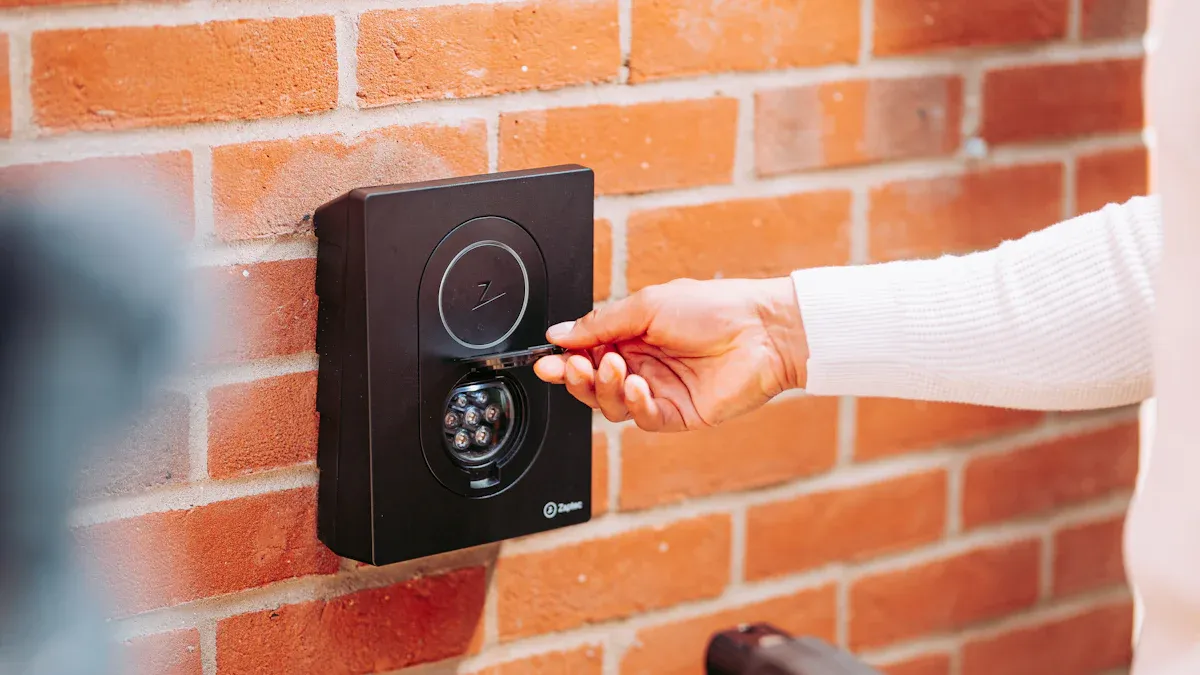
Embedded RFID Readers in Action
You find embedded rfid readers inside many devices every day. These readers help you track things and people without extra tools. You see them in hospitals, stores, and warehouses. They make your work easier and safer.
In healthcare, rfid helps you manage equipment and medicine. You keep tools in the right spot and give medicine to the right person. Doctors and nurses find what they need quickly.
In retail, rfid helps you check inventory. You know what is on the shelf and what needs to be restocked. You stop theft and help customers have a better time. You can give special help because you know what people like.
In logistics, rfid lets you read pallets and products as they move. You always know where each item is. You make sure things arrive on time and keep your supply chain working well.
Tip: Embedded rfid readers help you stay safe, save time, and do your job better.
Standalone RFID System Applications
Standalone rfid systems are good for big jobs. You put these readers in large spaces and connect them to antennas. You use them to read many tags at once and track things over wide areas. These systems work well in oil and gas, healthcare manufacturing, and aerospace.
Industry | Key Results |
|---|---|
Oil and Gas | Equipment was ready more often. Emergency response was much faster. Maintenance got easier. Rules were followed with less work. |
Healthcare Manufacturing | No more cross-contamination. Equipment was used more. Paperwork was done by the system. Inventory costs went down a lot. |
Aerospace | No more damage from lost objects. Building time was shorter. Fewer mistakes happened. There were fewer tools, but they were always ready. |
You use standalone readers to read tags fast and keep track of tools, equipment, and products. You spend less money and make things safer. Your team works faster and makes fewer mistakes.
Industry-Specific Scenarios
You see rfid used in many industries. Each one uses readers in its own way.
Hospitals use embedded rfid readers to track patients and equipment. This helps everyone get the right care and keeps tools in place.
Retail stores use rfid to read tags on products. Shelves stay full and customers find what they want.
Logistics companies use rfid to read pallets and shipments. They follow each package from start to finish.
Oil and gas companies use standalone readers to read equipment tags. This makes things safer and keeps machines running.
Aerospace factories use rfid to read tools and parts. Planes are built faster and mistakes are avoided.
Note: Pick the rfid system that fits your industry and what you need to track. Readers help you work smarter and keep your business running well.
Choosing the Right RFID Solution
Decision Factors
You want your rfid system to help your business. Think about what you need to track. Decide how you will use the data. Look at the type of tags you need. Think about how you will read the tags. Check where you will use the system. Make sure the readers work fast enough. See if they can read tags from far away.
Working with a good RFID provider can help your business do better. A provider who knows your industry can help you pick the best system.
Ask yourself some questions before you choose:
What do you want to track?
Where will you put the readers?
How far do you need to read tags?
What kind of place will the system be in?
Do you need to connect to other software?
To pick the right rfid tag, know what your tags and readers can do. Think about how your business uses the items you want to tag. Tag type, frequency, and where you use them can change how well they work.
Here is a table that shows what to look for in a provider:
Criteria | Description |
|---|---|
Provider Expertise | Find a provider who has done good work in your field. |
Customization | Make sure the provider can change things for your needs. |
Quality of Technology | Check if the hardware is strong and works well. |
Support Services | Pick a provider who helps you fix and upgrade your system. |
Industry Applications | Choose someone who knows your type of business, like retail or healthcare. |
Selection Checklist
You need a simple checklist to help you pick the right rfid system. This list will help you remember the most important steps.
Find the problems you want to solve.
Pick the right tags, readers, and software.
Also, check these things:
Tag type
Frequency
What you will tag
How you will put on the tag
How far you need to read
How fast you need to read
Tag size
Where you will use the tags
Cost
Any rules you must follow
Make sure your readers can read tags in your space. Test the system before you buy a lot. Check if the readers work with your software. See if they can read tags from the right distance. Think about how easy it is to upgrade later.
Tip: Ask your provider to show you a demo. You can see how the system works in your own space before you buy.
Common Mistakes
Try not to make mistakes that waste time and money. Many people make the same errors when picking rfid systems. You can learn from these and do better.
Not checking if tags and readers work in your space. Heat, cold, or metal can block signals.
Picking cheap tags or readers that break easily.
Not testing if tags and readers work together.
Not knowing how far you need to read tags.
Not keeping your data safe.
Not following the rules for your business or area.
Putting tags in places where readers cannot see them.
Using the wrong tag shape or way to attach it.
Not thinking about all the costs, not just the first price.
Not planning for your system to grow.
Not checking if the frequency is right for your tags and readers.
Picking suppliers who do not help after you buy.
Note: You can stop most problems by planning and testing your rfid system before you use it everywhere.
You want your rfid system to work now and later. Take time to check your needs, test your readers, and talk to experts. This helps you build a strong system for your business.
You now know the main differences between embedded RFID readers and standalone RFID systems. Embedded readers fit inside devices and save space. Standalone systems work alone and offer more flexibility. To choose the best option, follow these expert steps:
Assess your business and set clear goals.
Design your RFID plan for your unique needs.
Pick the right technology and vendor.
Connect RFID data with your current systems.
Train your team for smooth use.
Plan for future growth.
Take time to match your RFID choice with your business needs for the best results.
FAQ
What is the main difference between embedded and standalone RFID systems?
Embedded readers go inside other devices. Standalone systems work alone. Both use uhf for tracking jobs. You pick one based on your space and needs. Think about how you want to manage things.
Can I use an embedded uhf reader for inventory management system tasks?
Yes, you can use an embedded uhf rfid reader for inventory jobs. It helps you track items fast. You get data right away for better choices. This makes managing your inventory easier.
How does uhf rfid technology improve asset management?
Uhf rfid technology lets you track many items together. You get quick and correct data. This helps you manage assets better. You save time and make fewer mistakes each day.
Do I need special software for uhf rfid readers?
You need software for uhf rfid readers. The software helps you collect and sort data. Good software makes managing things simple. It connects rfid to your other tools.
Are uhf RFID systems hard to install?
You can install uhf systems easily if you plan first. Embedded readers save space in your setup. Standalone systems need more work to set up. Both types help with management jobs. Always follow the instructions for best results.
What industries use uhf rfid technology for management?
Many industries use uhf rfid for management. You see it in stores, hospitals, shipping, and factories. These places use uhf for tracking, inventory, and asset jobs.
How does uhf rfid help with real-time management?
Uhf rfid gives you data right away. You see where items are now. This helps you make quick choices for management. You can fix problems fast and keep inventory updated.
Can I upgrade my management system with uhf rfid readers?
You can upgrade your management system with uhf rfid readers. You add new readers or change your setup as you grow. Uhf rfid keeps your management flexible and up to date.
- Next>:Choosing Industrial RFID Readers for Automated Warehouse Solutions

 2026-05-19
 Blogs
Blogs