RFID personnel tracking for high-security work environments
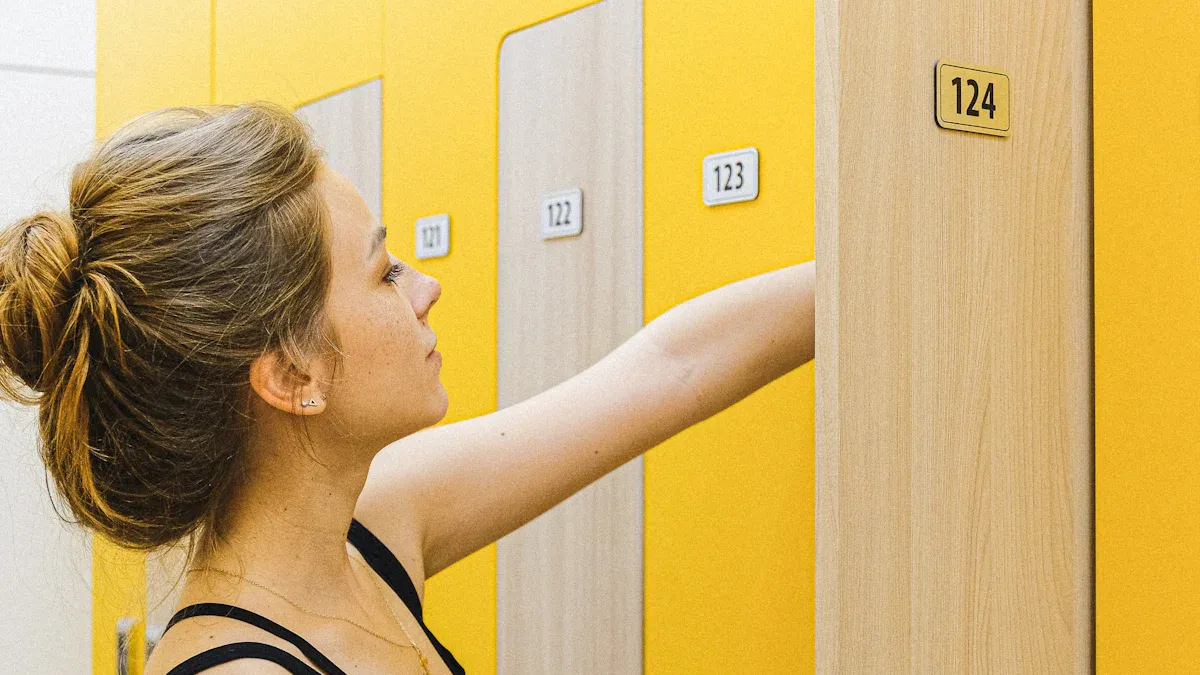
You have more problems with keeping things safe and working well in secure places. RFID personnel tracking helps you know where your workers are at all times. This keeps your workplace safe. Many types of jobs now use RFID to make things safer and better:
Sector | How They Use RFID Systems |
|---|---|
Use RFID to keep public buildings and important places safe. | |
Industrial Sector | Make workers safer and work faster by tracking them in real time. |
Educational Institutions | Watch where people go and make schools safer. |
Healthcare Providers | Track staff to help patients and take care of equipment. |
Non-Profit Organizations | Keep workers safe in dangerous places and help with their missions. |
RFID employee tracking helps you make fewer mistakes and work faster. For example:
Seattle Public Library made work easier and had fewer mistakes with RFID.
Ghent University Hospital made things better for patients and staff using RFID.
SHENZHEN MARKTRACE has an RFID employee tracking system that checks attendance and location automatically. You can trust RFID to keep workers safe and help things run well.
Key Takeaways
RFID personnel tracking helps keep workers safe. It shows where workers are at all times.
Automated access control with RFID lets only approved people enter secure places. This lowers security risks.
Using RFID makes it easier to manage workers. It tracks where employees go and helps plan how many staff are needed.
RFID technology cuts down on mistakes when tracking attendance. This means records are more correct and there is less paperwork.
In emergencies, RFID systems show who is there. This helps people leave quickly and makes counting easier.
Adding RFID to current security systems makes safety better. It also helps follow rules.
Training and working with staff often is important for RFID to work well. This helps everyone accept and use RFID systems.
Planning and checking security goals before starting helps make RFID fit the workplace.
RFID personnel tracking for security and efficiency
Real-time personnel visibility
Location tracking
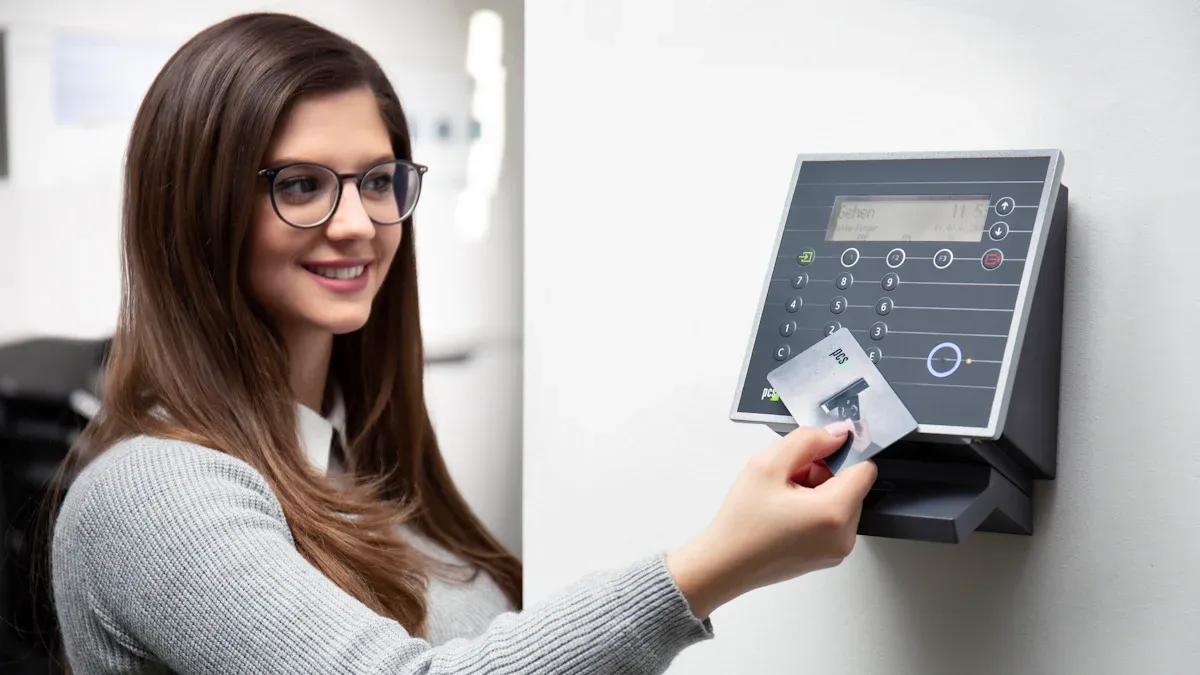
In high-security workplaces, you must always know where your workers are. RFID personnel tracking lets you see where each worker is right now. You can check who is at work and where they go during the day. This helps you act fast if there is a problem. RFID people tracking uses tags and readers to watch people move from one area to another. You get updates right away about where workers are. This makes things safer and helps you keep track of everyone.
Evidence Description | Purpose |
|---|---|
Knowing where all personnel are makes the workplace safer and more efficient. | It helps you see where people are right now. |
Personnel Locating shows who is at work at any time. | It helps you keep track and watch workers. |
Tags record when people move between areas, so you know their exact spot. | You can act fast and keep people safe in emergencies. |
Access to areas is given based on security needs. | This keeps workers and important information safe from threats. |
The system keeps track of when workers arrive and leave. | This helps you know who is there and helps in emergencies. |
You can see where workers are in real time. | This helps you watch workers and act fast if needed. |
RFID employee tracking software lets you see where everyone is right away. This system helps you keep your workplace safe and neat.
Automated access control
RFID personnel tracking helps you control who can go into special areas. You give each worker their own access level. RFID readers check tags at doors and only let the right people in. This keeps your things and information safe. You can see who is in special areas at all times. You can stop people who should not be there and act fast if someone tries to get in.
Real-time watching helps you act fast if something happens. This is very important in dangerous places where time matters.
Good security systems always watch, so you can stop problems and keep everyone safe.
When workers see strong security, they feel safer and happier at work.
Operational improvements
Workforce management
RFID personnel tracking helps you manage your workers better. You can see where people go and use this to make work smoother. Employee tracking software shows you which places need more workers and which are fine. You can move workers where they are needed most. RFID people tracking gives you updates about who is at work and where they are. This makes it easier to plan shifts and jobs.
Improvement Type | Description |
|---|---|
Enhanced Safety and Emergency Response | You can find workers fast in emergencies, so you can get them out quickly. |
Smarter Workforce Management | You learn how people move, so you can use your workers better. |
Access Control and Security | Only the right people can go into special areas, so your site is safer. |
Automated Time and Attendance | The system keeps track of when workers come and go, so you do not have to do it by hand. |
Compliance and Reporting | The system makes reports about where workers go, so you can follow rules and check records easily. |
RFID employee tracking software can keep track of time and attendance for you. This means less paperwork and better records.
Reduced manual errors
When you track workers by hand, mistakes can happen. RFID personnel tracking cuts down on mistakes by doing it automatically. You do not need paper logs or to check people in by hand. RFID people tracking systems record every move and update your records right away. Employee tracking software helps you avoid missing or wrong information.
Case Study | Description | Impact |
|---|---|---|
KitCheck® | A system that uses RFID to help hospitals keep track of supplies. | It saves time and helps keep patients safe. |
Primtec and implantcast GmbH | They use RFID to track medical devices. | It finds problems fast and lowers mistakes. |
Identify RFID | A smart cabinet for healthcare groups. | It helps you see what you have and keeps things safe. |
You can trust RFID personnel tracking to give you the right information right away. This means fewer mistakes and better results for your company.
Tip: If you use RFID personnel tracking, you can see where workers are, keep things safer, and manage your team better. Automated tracking and real-time updates make your workplace safer and more organized.
RFID technology in personnel tracking
RFID system basics
Tags and readers
RFID technology helps you track people easily and correctly. The system has two main parts. These are tags and readers. Every worker gets an RFID tag. The tag has a microchip and an antenna. The microchip keeps information about the worker. The antenna sends this information to an RFID reader with radio waves.
RFID readers are put at doors and other important spots. These readers send out signals. When a worker with a tag comes close, the reader gets the signal and takes the data. You can see who goes in or out of a place. This helps you know where workers are and keeps things safe.
Here is a table that shows the main parts of RFID technology:
Component | Description |
|---|---|
Microchip and antenna store and send personnel information. | |
RFID readers | Devices that collect data from tags and help with personnel tracking. |
RFID antennas | Send signals to tags and receive responses for tracking. |
RFID printers | Print and encode tags for personnel tracking. |
Software | Manages data and helps you see personnel locations and attendance. |
Data flow
RFID technology uses radio waves to find people and get data. Here is how the system works step by step:
The antenna sends out radio waves.
The RFID tag gets the signal and sends back its information.
The reader takes the data and sends it to the software.
The software shows you where workers are and keeps track of attendance.
You get updates right away about where workers are. This helps you act fast and keep your workplace safe.
Types of RFID solutions
Active vs. passive RFID
You can pick active or passive RFID for tracking people. Active RFID tags have batteries and antennas. These tags send signals far away. You use them for real-time tracking in big places. Passive RFID tags do not have batteries. They need the reader’s signal to work. You use passive tags for short-range tracking and simple jobs.
Here is a table that compares active and passive RFID:
Feature | Active RFID | Passive RFID |
|---|---|---|
30 to 100+ meters | 1 to 10 meters | |
Real-time Tracking | Yes | No |
Cost | $25–$100+ | $0.10–$2.00 |
Battery Life | 2–7 years | 10–20 years |
Suitability for High-Security | Ideal for high-security applications | Can be tailored for secure environments through 'read zones' |
You choose the RFID type that fits your needs. Active RFID is best for high-security places. Passive RFID is good for basic tracking and attendance.
Integration with security systems
You can link RFID with your security systems. This makes tracking people even better. RFID badges or wearables help you see where workers are. You can control who goes into safe areas and make sure only the right people enter. RFID also helps you check if workers follow safety rules.
Application | Description |
|---|---|
RFID badges track personnel locations and improve safety. | |
Access Control | RFID manages entry to secure areas for authorized personnel. |
Safety and Compliance Monitoring | RFID checks if personnel follow safety rules and stay in safe zones. |
Streamlining Workforce Management | RFID gives you real-time data on personnel attendance, location, and productivity. |
Tip: When you use RFID for tracking people, your workplace is safer and works better. You can see where workers are, control who enters, and keep good records.
Personnel visibility and safety benefits
Emergency response
Evacuation and headcounts
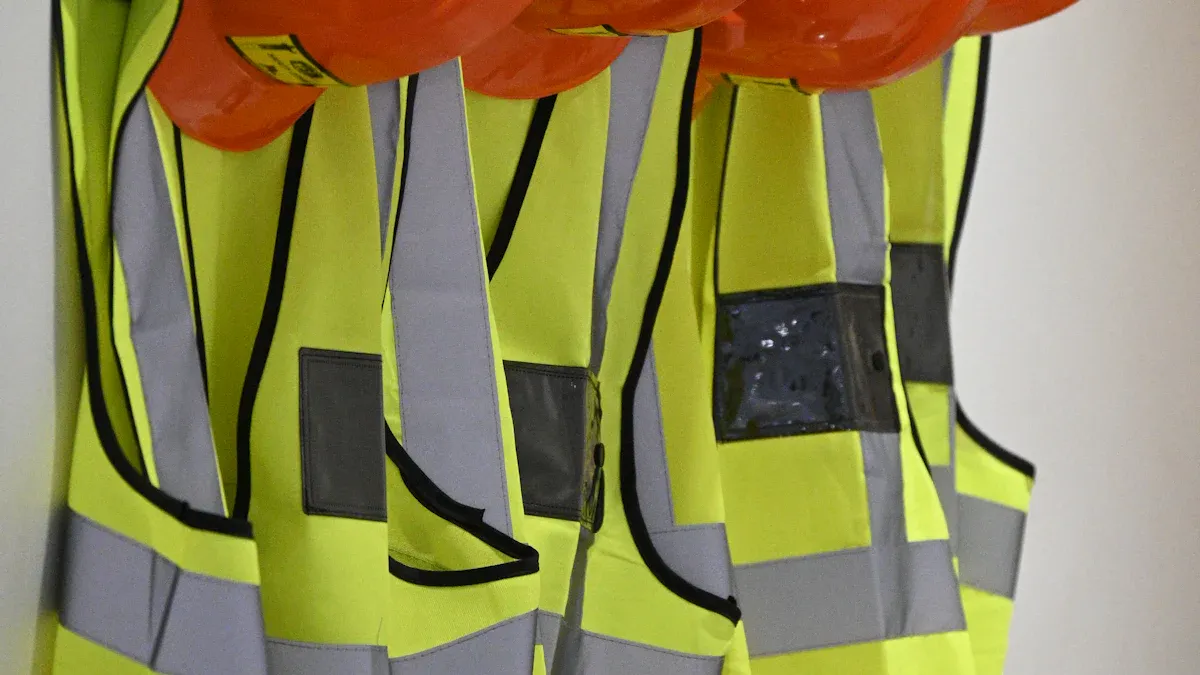
It is important to keep everyone safe in emergencies. RFID personnel tracking shows where each person is right now. When an alarm goes off, you can see who left and who is still inside. The system uses worker location data to give real-time updates. You can quickly check who entered or left the building. This makes getting people out faster and more correct.
RFID tags record the time each person leaves. You can use automatic logs to make sure everyone is out. If someone is still inside, you get alerts right away. This helps you follow safety rules and keep people safe. You can also check the system from far away, so you always have the info you need.
Here is a table that shows how RFID helps in emergencies:
Benefit | Description |
|---|---|
Emergency Evacuation | RFID tracking checks that everyone left safely and saves the time they left. |
Access Control | Real-time data lets schools know who is inside or near the building during emergencies. |
Remote Access | RFID systems can be checked from far away, so you always watch and keep data safe. |
Lockdowns and Shelter | RFID tracks people during lockdowns, so you know who is inside the building. |
Emergency Medical Services | RFID tags on medical tools help you find them fast in emergencies and save time. |
Tip: RFID personnel tracking helps you make better plans for getting people out and counting them. This helps you follow safety rules and keep everyone safe in high-security places.
Access control
Restricted area monitoring
You need to control who goes into special places. RFID personnel tracking gives you strong control over who enters. You set rules for who can go in or out of these areas. Only people with permission can enter. RFID readers check each tag at the door. If someone tries to go in without permission, the system stops them.
You can watch who goes in or out right away. Automatic logs show who entered and left. You can also watch visitors and make sure they follow safety rules. The system helps you find dangers like fire or people who should not be there. You can control access from far away and keep data safe.
Watching the environment helps you find dangers.
Remote watching lets you act fast.
Visitor checks make sure everyone is safe.
Better data safety keeps information safe.
Lower risk of data leaks keeps your workplace safe.
Better work makes access easier to manage.
Note: RFID personnel tracking helps you follow rules for special areas. You can keep your workplace safe and neat.
Compliance and records
Automated attendance
You need good records to follow the rules. RFID personnel tracking uses automatic logs to keep track of attendance. The system records when each person enters or leaves. You get real-time reports that help you follow work laws. Automatic attendance makes pay and time off right.
RFID technology makes things safer and more secure. You get good attendance records and lose less. Features like geofencing and danger alerts help you manage workers. You can use worker location data to see who is there and who is not.
Here is a table that shows how RFID helps with rules and records:
Feature | Benefit |
|---|---|
Real-time tracking | Makes sure records are right and cuts down on mistakes. |
Compliance support | Helps groups follow work and safety rules. |
Cost reduction | Lowers costs for keeping track of attendance. |
Operational efficiency | Makes managing workers easier and faster. |
You can use RFID personnel tracking to follow the rules. The system helps you keep records, follow safety steps, and manage your team better.
Callout: Automatic attendance and good tracking help you save time and money. You can trust RFID to keep your workplace safe and working well.
RFID people tracking in high-security sectors
Critical infrastructure
Utilities and plants
You help keep utilities and plants safe. RFID personnel tracking shows where each worker is at all times. This technology gives you updates right away about where people are. You can act fast if there is an emergency. Managers use this information to find workers quickly and keep everyone safe.
You can see where workers move on-site in real time.
You can look at movement patterns to make safety rules better.
Fast access to location data helps you act quickly during accidents.
RFID helps you manage big teams in busy places. You lower risks and make things safer for everyone.
Defense and military
Secure zones
You need strong security in defense and military places. RFID personnel tracking lets you control who goes into secure zones. You can set up the system so only approved people enter special areas. This helps you keep important things and information safe.
RFID stops people who are not allowed from entering sensitive areas.
You watch where people go, so you know what happens in secure zones.
The technology helps you keep military things safe from people who should not have them.
Feature | Description |
|---|---|
Restricted access | |
Tamper alerts | You get a warning if someone tries to move things without permission. |
Tracking | You know who took weapons or equipment and when. |
RFID personnel tracking helps you stop theft and wrong use. You always know who is in each area and what they are doing.
Data centers
Digital asset protection
You must keep digital things safe in data centers. RFID personnel tracking helps you watch both people and equipment. You can see where things are at any time. This saves time when you look for lost items. You also get better at managing equipment and staff.
RFID lets you find equipment fast with real-time tracking.
You watch important things and check their status easily.
The system makes audits easier by giving you correct inventory details.
Better audits help you follow rules and avoid trouble.
You track who is in charge of each thing, so you know who is responsible.
Many companies use RFID to follow strict rules. For example, Equinix used RFID to make inventory checks much faster. You can also use RFID to follow rules like PCI DSS, GDPR, and DORA. These rules say you must keep good records and show who used assets.
Tip: When you use RFID personnel tracking in high-security places, you make things safer, protect important items, and make your work easier.
Implementation challenges and considerations
Privacy and data security
Employee concerns
When you start using personnel tracking, workers may worry about privacy. They want to know how you use and protect their information. You can help by following some good steps:
Make a simple rule for protecting data. This rule should say how you collect, use, keep, and delete tracking data.
Tell workers why you use the mustering system and what data you collect.
Use things like data encryption and limited access. These steps help keep worker information safe from people who should not see it.
You earn trust when you show workers you care about their privacy. Talking openly and protecting data well makes your tracking system work better.
Tip: Always tell workers how you use their data. This helps everyone feel safe and trust your rfid system.
System integration
Compatibility issues
You may have problems when you try to connect rfid tracking to your old systems. Many old warehouse and ERP systems do not work with rfid. These old systems often do not have what you need for easy connection. You might need to buy new hardware, software, and pay for setup. This can cost a lot for small companies.
Compatibility problems can make your project slow. Sometimes, you need special fixes or extra software to make rfid tracking work with your old setup. This makes things harder and you may need more tech help. Planning early and working with experts can help you fix these problems.
Reliability factors
Environmental impacts
Your rfid tracking system must work well in many places. Things like walls, metal, and other electronics can make tracking harder. You need to pick the right rfid tags and readers for your workplace. For example, active tags are better for big spaces. Passive tags are good for small areas.
Weather, heat, and wetness can also change how well it works. You should test your tracking system in real life before using it everywhere. Keeping your system clean and updated helps it stay correct and strong.
Note: Good tracking keeps your workplace safe and running well. Always check how your system works and make it better when you need to.
Best practices for RFID personnel tracking
Planning and assessment
Security objectives
You need a good plan before using personnel tracking. First, think about your main business goals. Decide what you want RFID to do for you. Maybe you want to make things safer or make attendance easier. You might want to control who goes into secure places. Ask managers, IT staff, and security teams for their ideas. Their help lets you see what everyone needs and gets them to support your plan.
Set SMART goals for your RFID system. These goals should be clear and easy to measure. Make sure they are possible, important, and have a deadline. Do a study to see how RFID will help, what it costs, and what you get from it. Write down what your business needs before you start. Think about which jobs or systems will get better with tracking. Pick the right RFID tags and readers for your goals. Check what radio frequency and software your workplace needs.
Tip: Planning ahead helps you stop problems later. When you know your security goals, you can choose the best RFID system for your team.
Training and engagement
User acceptance
Training is very important for RFID tracking to work well. You should show your staff how to use RFID. Good training makes your team feel ready and sure about the system. When workers know how RFID works, they use it faster and need less help. A trained team can fix problems and keep things running well.
Training also helps your team work better. They learn to use RFID for attendance, access, and safety. If you train early, you see good results sooner. When your team feels part of the change, they use the new system every day.
Callout: Get your team involved from the start. Training helps everyone use RFID quickly and get better results.
Monitoring and maintenance
System audits
You must keep your tracking system working well. Check your system often to find problems early. Plan audits to see if RFID readers and tags work right. Look at your software to make sure it saves data correctly. Audits help you find and fix security problems fast.
Keep your system up to date. Clean RFID readers and change old tags when needed. Watch how your team uses the system and look for ways to make it better. Taking care of your system keeps your workplace safe and running well.
Best Practice | Why It Matters |
|---|---|
Regular audits | Find problems before they get big |
System updates | Keep everything working right |
Staff feedback | Make the system easier to use |
Note: Checking and fixing your system protects your investment. You keep your RFID tracking strong and working well.
Future of RFID and visibility
Technology advances
IoT and analytics
You will see many new changes in how you track people and assets at work. The Internet of Things (IoT) connects devices and systems, making your workplace smarter. When you use RFID with IoT, you can track people both inside and outside your building. This helps you stop lost time and keep everyone safe.
You can also use advanced analytics to learn from the data you collect. Analytics can show you patterns and help you make better choices. For example, you can see when and where people move the most. You can use this information to plan work and keep things running smoothly.
You can use predictive analytics to see problems before they happen.
You can control who enters certain areas and when.
You can get alerts if something is wrong or missing.
In hospitals, these systems have helped stop lost equipment and made it easier to watch over patients and staff. Some companies have saved money and worked faster by using real-time tracking and analytics. You can move from just reacting to problems to stopping them before they start.
Tip: When you combine RFID with IoT and analytics, you make your workplace safer and more efficient. You can see what is happening right now and plan for the future.
Evolving security needs
Adaptive solutions
Security needs change all the time. You must keep up with new risks and rules. Many companies now focus on keeping data safe and private. They use strong security steps and follow strict rules to protect personal information.
You also need better ways to control who enters your workplace. RFID systems help you stop people who should not be there. You can set up rules for who can enter and when. This keeps your team and your information safe.
Here is a table that shows what companies need today:
Security Need | Description |
|---|---|
Focus on Data Security and Privacy | You must use strong security steps and follow rules to keep personal data safe. |
Rising Need for Security and Access Control | You need better ways to stop people who should not enter your workplace. |
You can use adaptive solutions to meet these needs. These systems change as your workplace changes. You can add new rules or update old ones. This helps you stay safe as new threats appear.
Note: When you use adaptive RFID solutions, you can protect your workplace now and in the future. You stay ready for new challenges and keep your team safe.
RFID personnel tracking helps you keep workers safe. It gives you better records and more control in secure places. You can start by doing these things:
Look at what you need and what you have now
Make a new plan for how things will work
Decide what you want to achieve
Pick the best technology for your workplace
Teach workers how to use the system
Try out a small project first
You can ask experts for help if you need it:
Resource | Description |
|---|---|
Shows you how RFID tracking works and gives advice. | |
FactorySense | Checks your site and reviews your project for RFID. |
Lowry Solutions | Helps with setup, teaching, and managing RFID systems. |
RMS Omega | Offers free advice about RFID and RTLS technology. |
Keep changing your system as your needs grow. This helps you stay safe and work better.
FAQ
What is RFID personnel tracking?
RFID personnel tracking uses special tags and readers. These tools help you see where workers are right now. You can check who is at work and where they go.
How does RFID improve workplace safety?
You get quick updates about where workers are. This helps you act fast in emergencies. You can make sure everyone leaves safely and count people quickly.
Can RFID track attendance automatically?
Yes. RFID systems record when workers come and go. You do not need paper logs anymore. The system makes correct attendance records for pay and rules.
Is RFID secure for sensitive environments?
You control who enters special areas with RFID. Only approved workers can go into secure places. The system keeps your data safe with strong protection.
Will employees know how to use RFID tags?
You teach your team before using RFID. Tags are easy to wear or carry. Workers learn about the system during training. Training helps everyone feel ready.
What types of RFID tags can you use?
You can pick active tags for long-range tracking. Passive tags work for short-range jobs. Active tags have batteries. Passive tags use signals from readers.
How do you protect employee privacy with RFID?
You make clear rules for using data. You tell workers what you collect and why. You use strong protection and limit who sees private data. Talking openly helps build trust.
Can RFID systems work with other security tools?
Yes. You can link RFID with cameras and alarms. You can also connect it to access control systems. This helps you see everything and manage safety better.
- Next>:Enhancing Patient Safety with RFID patient tracking systems

 2026-01-06
 Blogs
Blogs