
RFID-based Fishing Boat Management Solution


RFID-based Fishing Boat Management Solution
In recent years, the fishing industry has faced various challenges including thefts of fishing boats, tracking of fishing activities, and ensuring the safety of fishermen. To address these issues, a cutting-edge solution based on RFID (Radio-Frequency Identification) technology has been developed for effective fishing boat management.
RFID technology utilizes electromagnetic fields to automatically identify and track objects tagged with RFID tags. In the context of fishing boat management, RFID tags can be placed on fishing boats, equipment, and even individual fishermen to provid real-time and accurate monitoring.
Overview & Benifits
The benefits of this RFID-based fishing boat management solution are manifold. Firstly, it enhances the overall security by providing real-time monitoring and tracking of fishing boats and equipment. This helps prevent thefts, unauthorized activities, and ensures the safety of fishermen.
Secondly, the solution optimizes operational efficiency by automating data collection and reducing manual labor. Fishery administrators can access comprehensive reports, enabling informed decision-making and better resource allocation.
Secondly, the solution optimizes operational efficiency by automating data collection and reducing manual labor. Fishery administrators can access comprehensive reports, enabling informed decision-making and better resource allocation.
Overview & Benifits
The RFID-based fishing boat management solution consists of several key components. Firstly, RFID tags are installed on fishing boats and navigation devices. These tags are equipped with unique identification numbers that can be easily scanned and registered into a centralized database.
Secondly, RFID readers are strategically placed at key locations such as ports, fish markets, and monitoring stations. These readers utilize radio frequencies to communicate with the RFID tags, enabling swift and automated data collection. As the fishing boats pass through these checkpoints, the readers capture the information stored in the tags, recording crucial details about the position, time, and activities of each boat.
The third component is the centralized database and management system. This platform receives and processes the collected data from the RFID readers, allowing authorized personnel to monitor and analyze various parameters. This includes information such as the location of fishing boats, the status of equipment, and even the presence of registered fishermen on board.
Moreover, the system can generate alerts and notifications for any abnormal activities or potential security breaches. For instance, if a fishing boat enters unauthorized waters, or if equipment is tampered with or stolen, the system will trigger an immediate alert, enabling prompt actions to be taken.
The system promotes transparency in the fishing industry, assisting in the enforcement of regulations related to sustainable fishing practices and prevention of illegal fishing activities.




System
Benefits
Benefits
- 01Accurate tracking of employee attendance and location
- 02Reduced manual labor and increased productivity
- 03lmproved payroll accuracy
- 04Enhanced workplace security and safety
Main Device
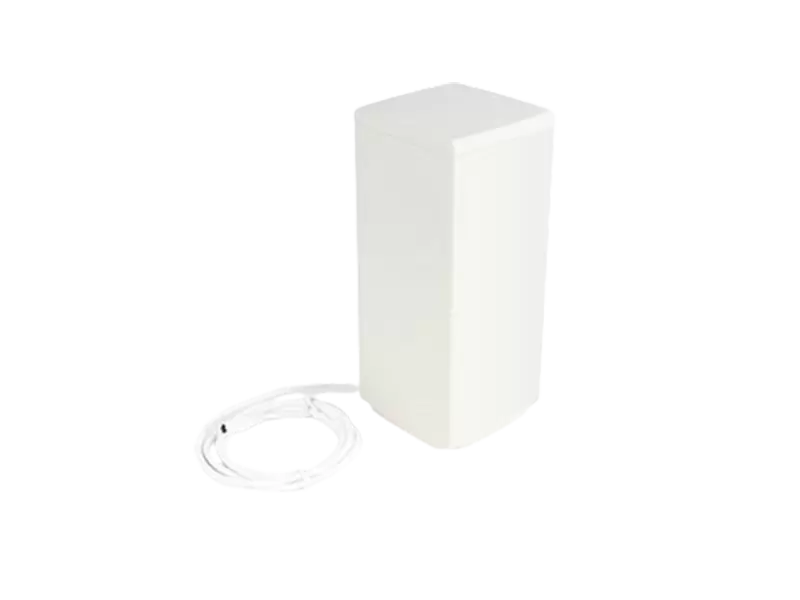
 MR7901P2.4G Ultra-long Range Integrated ReaderModel No MR7901PIdentify Type 4 antenna inside, can use as omnidirectional and directional both.Signal Modulation Mode GFSKTraffic Rate 1Mbit/sDetails
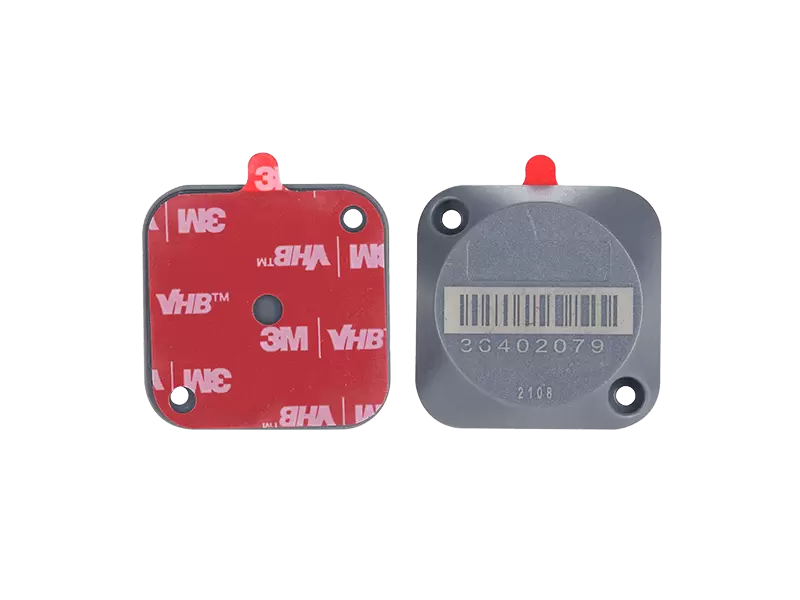
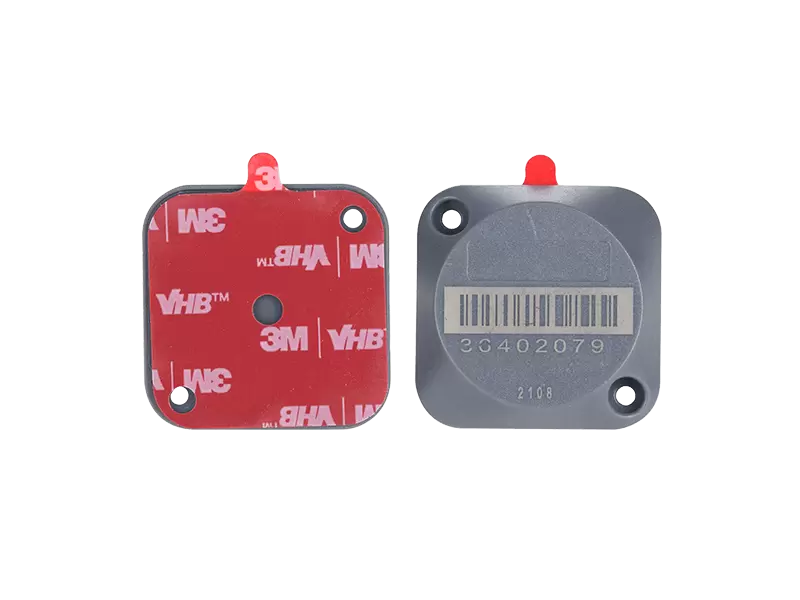 MR3837C2.4G Rugged TagModel No MR3837CSignal Modulation GFSKCommunication Speed 1Mbit/sInductive Mode Initiative Transmit,Transmit Every 1sDetails
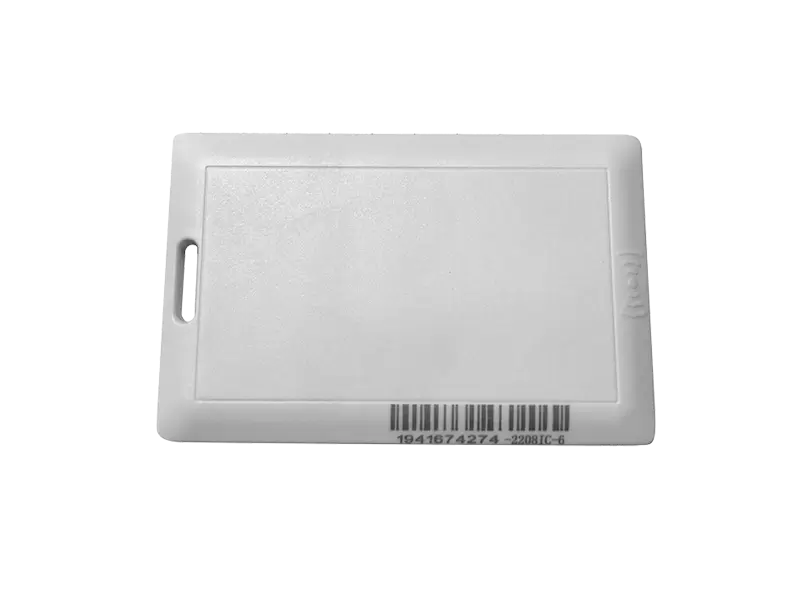 HX6072.4G Card TagModel No HX607Type 2.4G Cardtype (Beacon type)Signal Modulation GFSKMaterial ABS, heat resistant, White colorDetails