
Exploring the Benefits of Low Frequency RFID Readers for Asset Tracking
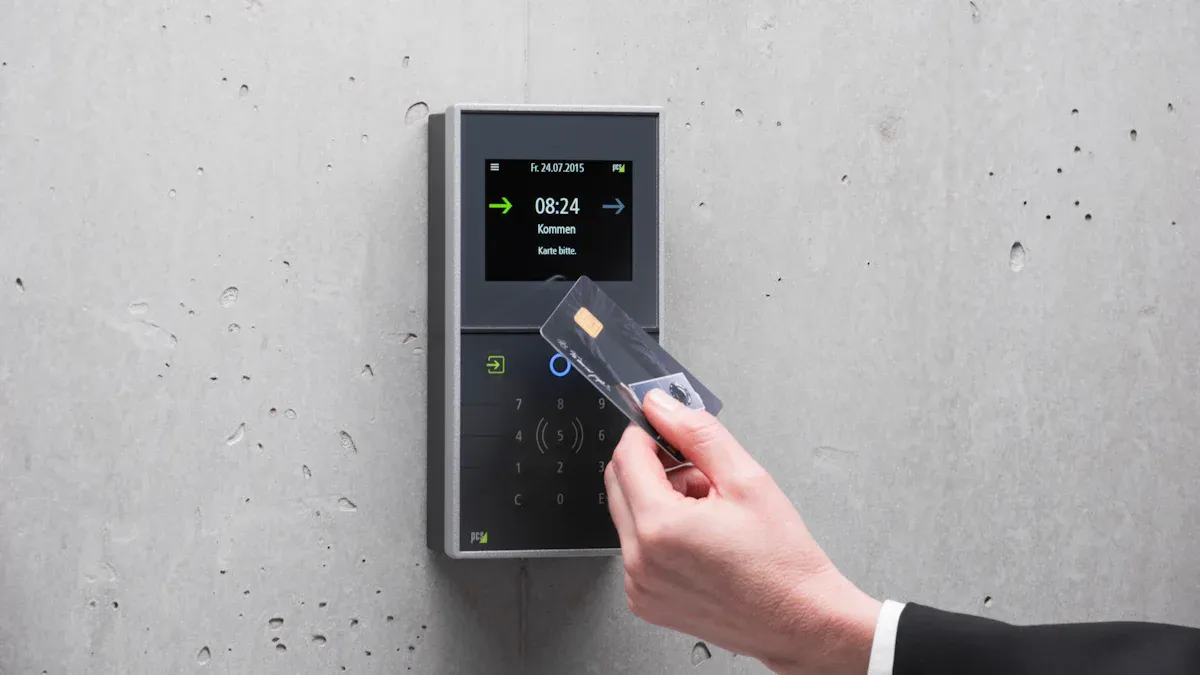
You need asset tracking to help your business work well. Tracking assets by hand can cause things to go missing. It also wastes time. Workers might wait for tools or equipment. This can slow down work and waste hours. Poor asset management makes costs go up. You may have surprise breakdowns and miss warranty chances. RFID asset tracking helps by using radio waves to track assets. Low-frequency RFID reader technology helps you track things better. It makes tracking more accurate, efficient, and safe.
Key Takeaways
Low-frequency RFID readers help you track things better. They make it easy to find items fast.
Using RFID means people make fewer mistakes when tracking. This gives you better records and less trouble.
RFID tracking works by itself and saves time. It also lowers work costs. Staff can do other important jobs.
RFID readers can scan many things at the same time. This makes checking inventory quick and easy.
RFID lets you see where things are right now. This helps you make fast choices.
Picking the right RFID tags and readers is very important. It helps you manage your things well in your space.
You need to take care of your RFID system often. This keeps it working well for a long time.
As technology gets better, RFID systems will get smarter. They will have new tools for tracking things even better.
Low-Frequency RFID Reader Benefits
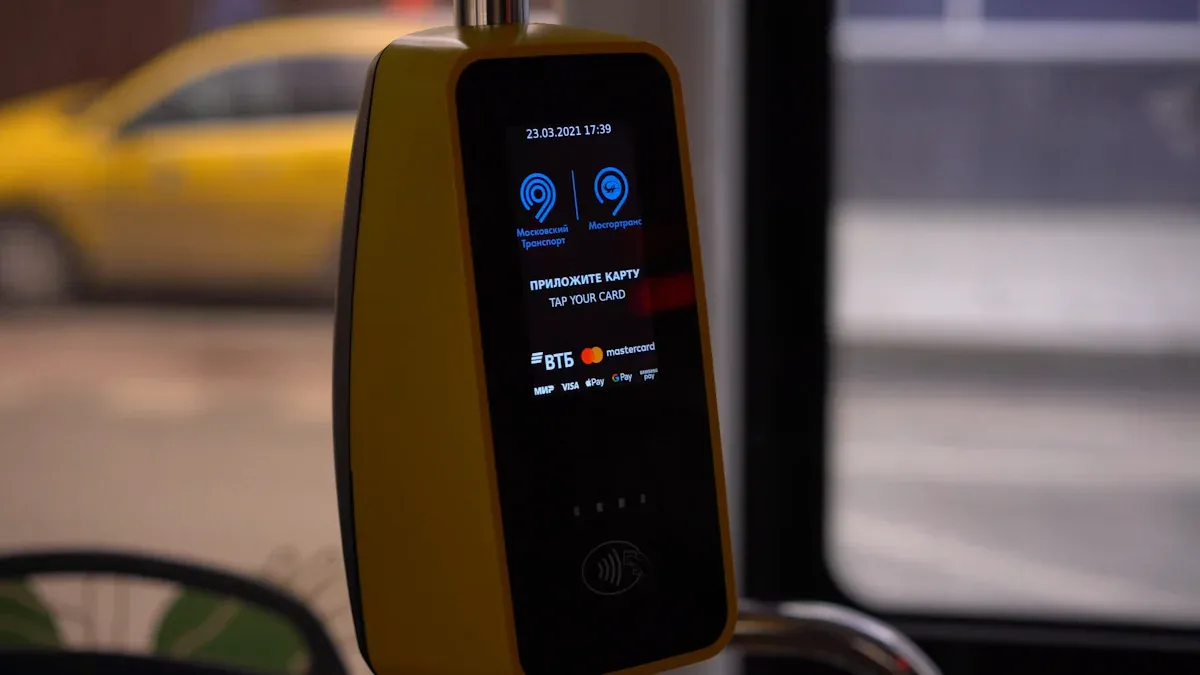
Reliable Asset Tracking
Accuracy in Asset Location
It is important to know where your things are. A low-frequency rfid reader helps you find items fast and easily. You get updates about your equipment right away. You do not have to guess or look for lost items. The rfid system uses tags that send signals to readers. These signals show exactly where your things are.
With SHENZHEN MARKTRACE CO.,LTD.'s RFID Based IT Assets Management Solution, you can track computers, servers, and other IT equipment with ease. The system gives you clear data, so you always know what you own and where it is.
The table below shows how a low-frequency rfid reader works better than barcodes for tracking:
Feature | Low-Frequency RFID | Barcode |
|---|---|---|
Read Accuracy | Works well in many places | Not as good in tough places |
Error Rates | Fewer mistakes with extra data | More mistakes, less backup |
Reliability in High-Volume Ops | Works better for quick checks | Not as good for lots of items |
Error Reduction
People make mistakes when they track things by hand. You might write the wrong number or forget something. A low-frequency rfid reader helps stop these mistakes. The rfid tags hold information that readers get without touching. You do not have to scan each thing one at a time. This way, there are fewer human mistakes. Your records are more correct and you have fewer problems.
Cost and Efficiency
Lower Labor Costs
You save money when you use rfid asset tracking. Tracking by hand takes a lot of time and work. Workers must count things and write down details. With a low-frequency rfid reader, you do these jobs automatically. You need fewer people to check inventory. Your staff can do other important work.
Businesses save lots of time and money by using automatic tracking.
RFID does jobs like checking inventory, so you need less manual work. Businesses can save up to 80% on labor costs in big centers.
SHENZHEN MARKTRACE CO.,LTD.'s RFID Based IT Assets Management Solution helps you spend less and work faster. You do not have to spend hours checking assets. The system does this for you.
Fast Scanning
Speed is important when you have many things to track. A low-frequency rfid reader scans many items at once. You do not have to point and scan each barcode. The rfid readers get signals from all tags nearby. You finish checks and audits much faster.
Here is a table that shows how much time you save with rfid asset tracking:
Aspect | Traditional Methods | Low-Frequency RFID Readers |
|---|---|---|
Time Required for Audits | Takes longer because it is manual | Much faster because it is automatic |
Accuracy | Easy to make mistakes | Very accurate with instant data |
Scalability | Hard to do with few workers | Easy to do with lots of items |
You get more work done in less time. You also get better accuracy and can track more things as your business grows.
Tip: If you want better asset tracking, pick a low-frequency rfid reader. You will have fewer mistakes, spend less money, and get faster results.
SHENZHEN MARKTRACE CO.,LTD.'s RFID Based IT Assets Management Solution uses smart rfid technology to help you manage your things easily. You get good tracking, high accuracy, and better control over your stuff.
How RFID Asset Tracking Works
Knowing how rfid asset tracking works shows why it is helpful. You use rfid systems to find, check, and manage your things fast and correctly. The system has important parts that work together. These parts help you track items right away and get good data.
RFID System Components
Readers and Tags
Every rfid system has two main parts: readers and tags. You put rfid tags on each item. These tags hold special ID information. When an rfid reader, like the MR7902, gets close, it reads signals from the tags. The reader takes the data and sends it to your tracking software. This happens fast and does not need touching.
Here is a table that lists the main rfid system parts and what they do:
Component | Description |
|---|---|
RFID Tags | Put on items, hold ID info; come in passive, active, and semi-passive types. |
RFID Readers | Read tag data and send it to software; can be fixed or moved. |
RFID Antennas | Make readers work better and send data well. |
Asset Tracking Software | Handles and checks data from readers, shows where items are now. |
You use these parts to make tracking easy and correct. The MR7902 reader works well in many places, like offices and server rooms. It reads tags fast and sends data for quick updates.
Data Integration
After the rfid reader gets the data, your tracking software starts working. The software sorts and checks the information. You see where your things are and how they are used right away. This means you do not have to type in data yourself. The system keeps your records fresh and helps you choose better.
Saves money
Helps manage things better
You notice the good changes quickly. Automatic inventory checks stop manual counting and lower work costs. Regular updates make your records more correct and help you watch every item.
Asset Identification Process
Real-Time Monitoring
With rfid, you always know where your things are. The system tracks items all the time by reading tag data and updating locations. You see your inventory right away. This helps you act fast during checks or when you need something quickly.
You can make smart choices fast during checks or emergencies.
You can change plans quickly and manage things better.
Watching all the time means you do not miss any moves. You can add more readers if your business gets bigger.
Contactless Scanning
You do not need to touch or see each item to track it. The rfid system scans without contact. The reader gets signals from all tags nearby at once. This is much faster than scanning barcodes one by one. You save time and make fewer mistakes.
Here is a table that shows why rfid is good for finding items:
Benefit | Description |
|---|---|
Scans and finds all tagged items fast, saves time. | |
Loss Reduction | Tracks items in real time, stops missing items. |
Data Accuracy | Cuts down on mistakes, keeps info correct. |
Scalability | Grows with your business and adds new features easily. |
Cost-Effectiveness | Gives good prices for your needs because of big production. |
Durability | Tags last long and work in tough places. |
Multiple Technologies | Works with different tech and frequencies for many uses. |
You get quick updates, better data, and a system that grows with you. The MR7902 reader helps you get these results by making rfid tracking easy and trustworthy.
Tip: Use rfid asset tracking to make your inventory more correct, spend less, and keep your data fresh. Real-time tracking gives you control and helps you manage your things with confidence.
Applications of RFID in Asset Tracking
IT Assets Management
Office Equipment
RFID helps you keep track of office equipment. You can tag computers, printers, and monitors. When you put RFID tags on each device, you get quick updates. The system shows where your things are and their status. You always know where your assets are. You do not need to look for missing items. You also do not waste time checking by hand. SHENZHEN MARKTRACE CO.,LTD.'s RFID Based IT Assets Management Solution keeps your office neat and safe.
Here is a table that shows how RFID makes office equipment management better:
Benefit | Description |
|---|---|
Real-time visibility | You see where your equipment is right now. |
Automated inventory processes | The system checks assets for you and saves time. |
Enhanced accuracy | You get correct data without scanning each item by hand. |
Bulk scanning capability | You scan many devices at once, so audits are faster. |
Lifecycle oversight | You track assets from when you buy them to when you throw them away. |
Server Rooms
RFID helps you manage server rooms better. You can put RFID tags on servers, routers, and other hardware. The system gives you updates right away. You find equipment quickly and keep your inventory current. You lower the risk of losing things. The MR7902 reader from SHENZHEN MARKTRACE CO.,LTD. makes scanning simple and trustworthy.
The system records where each asset is and its status.
You work faster and do less manual checking.
Industry Use Cases
Manufacturing
RFID tracking helps in manufacturing. You can stop downtime and keep machines safe. Put RFID tags on tools and machines. The system watches where they are and how they are used. You get updates automatically and lose fewer items. This keeps production moving well.
RFID gives you correct, quick data.
You spend less and see your assets better.
You keep things safe and avoid delays.
Healthcare
Hospitals use RFID to track medical equipment, medicines, and patient records. You can find devices fast and buy fewer extras. The system helps you have the right things when you need them. Studies show hospitals lose up to 15% of assets each year. RFID tracking helps you lose less and care for patients better.
You track surgical tools and medicines.
The system helps you work better.
You make sure assets are ready for emergencies.
Laboratories
Labs use RFID to watch instruments and samples. You put RFID tags on lab equipment and supplies. The system gives you updates right away. You do not lose items and manage assets better. Your lab works smoothly and stays organized.
Tip: Try RFID tracking in your business to save time, spend less, and get better data. SHENZHEN MARKTRACE CO.,LTD.'s solution works in offices, factories, hospitals, and labs.
Comparing RFID Asset Tracking Technologies
Low-Frequency vs. High-Frequency RFID
Range and Suitability
You must pick the right rfid reader for your needs. Low-frequency and high-frequency rfid readers are different. Low-frequency rfid readers use 125 - 134 kHz. High-frequency rfid readers use 13.56 MHz. The table below shows how they compare:
Feature | Low Frequency RFID | High Frequency RFID |
|---|---|---|
Frequency Range | 125 - 134 kHz | 13.56 MHz |
Read Range | Contact up to 6 inches | Contact up to 12 inches |
Environmental Tolerance | Medium tolerance to water and metal | |
Applications | Animal tracking, access control | Access control, library tracking, payments |
Low-frequency rfid readers work well near metal or water. You can use them in tough places. High-frequency rfid readers are good for libraries and payments. Pick the rfid reader that fits your needs.
You should also think about how rfid readers work with interference. Low-frequency rfid readers handle water and metal well. They do better in hard conditions. High-frequency rfid readers may not work on metal.
RFID Type | Tolerance to Environmental Factors | Performance in Challenging Conditions |
|---|---|---|
Low Frequency RFID | High tolerance to water and metal | Better performance in certain conditions |
High Frequency RFID | Medium tolerance to water and metal | Not guaranteed to work on metal surfaces |
RFID vs. Barcodes
Automation and Reliability
You want your inventory checks to be quick and easy. RFID readers scan many items at once. You do not need to scan each item by hand. RFID helps you automate your inventory. You can track important items fast. You can check lots of assets in seconds. You do not need to see each item to scan it. RFID is great for busy places where you scan many things.
RFID scans many items at once, making work faster.
RFID checks assets in seconds, saving time.
You can see the cost and accuracy of rfid and barcodes in these tables:
Technology Type | Average Cost per Unit | Common Applications |
|---|---|---|
Passive RFID Tags | Inventory tracking, asset management | |
Barcode Labels | $0.01 | Point of sale, inventory labeling |
Feature | RFID | Barcode |
|---|---|---|
Cost | Higher initial investment, long-term ROI through automation and labor savings | Lower initial cost |
Accuracy | High | Moderate |
RFID can make your inventory accuracy go from 65% to 99%. You lose less money from missing items, which happens with barcodes.
RFID vs. Other Solutions
Cost and Complexity
You should know how rfid compares to other tracking methods. RFID gives you real-time updates and automation. Old ways do not give these benefits. RFID makes your assets safer and helps you follow rules. You save money over time by using less labor and tracking better.
RFID gives real-time updates and automation for your assets.
Better safety and rule-following are big advantages.
You save money later by using less labor.
You may pay more at first for rfid, but you save later. Automation means you need fewer workers. You get better tracking and fewer mistakes.
You spend more at first, but save later.
Automation lowers labor costs and makes work easier.
Better tracking means fewer mistakes.
RFID helps you stop losses by tracking assets all the time. You spend less on lost items. You get more correct inventory records.
RFID stops losses with real-time tracking.
Businesses spend less on lost assets.
Correct tracking means fewer mistakes.
You can make your asset management better with rfid. You save money and work faster when you use rfid.
Companies manage assets better with rfid.
Saving money and working faster are big benefits.
Tip: Pick the rfid reader that works best for your needs. You will get better accuracy, faster checks, and save money over time.
Implementing RFID for Assets
Choosing the Right RFID Solution
Assessing Needs
You need to start by understanding what your organization requires from asset management. Every environment is different. You should look at the type of assets you want to track, the conditions where you will use the system, and how many items you need to manage. SHENZHEN MARKTRACE CO.,LTD. offers solutions that fit offices, factories, and labs. Their approach helps you match the right technology to your needs.
Here is a table that shows important factors to consider when choosing an RFID solution:
Factor | Description |
|---|---|
Environmental Conditions | Check if your space has metal, water, or other challenges. |
Read Range | Decide how far you need to read tags. |
Frequency | Pick the best frequency for your application. |
Tag Size | Make sure tags fit your assets. |
Data Storage | Know how much information you need on each tag. |
Cost | Look at the total price for tags and readers. |
Compatibility | See if the system works with your current software. |
Scalability | Make sure you can add more assets as your business grows. |
Tip: Write down your needs before you choose a system. This helps you get the best results from asset management.
Integration Steps
You can follow clear steps to add RFID to your asset management process. These steps help you avoid problems and make the system work well.
Choose the right tags and readers for your assets. Think about read range and how well the system fits with your current setup.
Set up communication rules and security. Use encryption and access controls to keep your data safe.
Run a pilot test. Try the system on a small group of assets first. This helps you find and fix any issues before you use it everywhere.
SHENZHEN MARKTRACE CO.,LTD. helps you with each step. Their team can guide you through setup and testing, making sure your asset management system works smoothly.
Maintenance and Support
Long-Term Reliability
You want your asset management system to last and stay reliable. Regular care and support keep your RFID system working well. You should check tags and readers often, update software, and place tags in the right spots for best results.
Here is a table with good maintenance practices:
Maintenance Practice | Description |
|---|---|
Regular Maintenance | Check tags and readers to make sure they work well. |
System Updates | Update software and firmware to keep the system secure and fast. |
Strategic Tag Placement | Put tags in the best places for accurate tracking. |
You should also train your staff. When your team knows how to use and fix the system, you get better results. SHENZHEN MARKTRACE CO.,LTD. offers support and training to help you keep your asset management system running smoothly.
Note: Good maintenance and support help you avoid problems and keep your asset management system strong for years.
Future Trends in RFID Asset Tracking
Technology Advancements
Improved Tags
RFID tags are getting smarter and stronger. New tags can check things like temperature and humidity. These features help you watch your assets all the time. Some tags use energy from the air, so you do not need batteries. Chipless RFID tags cost less and work well in hard places. Ultra-wideband RFID tags show exactly where things are. This helps in busy warehouses and factories.
Technology Type | Description |
|---|---|
Integrated Sensors | Tags check temperature and humidity for better asset tracking. |
Ultra-Wideband (UWB) RFID | Finds items with very close accuracy. |
Battery-Free Sensor Tags | Use energy from the air, so no batteries are needed. |
Chipless RFID Technology | No chips inside, so tags are cheaper and tougher. |
5G-Integrated RFID Networks | Tracks assets fast and gives real-time data. |
AI-Enhanced Systems | Uses smart data to help you manage and fix assets better. |
Enhanced Readers
RFID readers now scan lots of items very quickly. You get almost perfect results and save time. Readers work with many tag types and read from far away. Some readers use artificial intelligence to help you make smart choices. You can see your inventory right away and make fewer mistakes.
RFID and artificial intelligence (AI) now work together. AI helps RFID systems do smart jobs and give you good advice.
Benefit | RFID Technology | Traditional Methods |
|---|---|---|
Scanning Speed | Needs manual scanning | |
Accuracy | Almost perfect results | More mistakes can happen |
Automation | Scans many tags at once | Checks each item by itself |
Labor Efficiency | Saves time and work for staff | Takes longer and needs more effort |
Expanding Applications
IoT Integration
RFID systems now connect with the Internet of Things (IoT). You can track assets, watch conditions, and get alerts from anywhere. RFID tags work with sensors and send data to the cloud. You do not need to scan each item. The system sends updates by itself. Some tags get energy from radio waves, so you do not worry about batteries.
Feature | Description |
|---|---|
Scan-Free Operation | Sends info without scanning, so you make fewer mistakes. |
Extended Range | Reads tags from far away, covering big spaces. |
Unified Multi-Capability | One chip does many jobs like tracking, checking conditions, and finding assets. |
Energy Harvesting | Tags use energy from the air, so no batteries are needed. |
New Industries
RFID asset tracking helps many businesses now. You see it in hospitals, schools, and factories. Schools use RFID to watch computers and lab tools. Hospitals track medical devices and medicines. Factories manage machines and tools. Cloud systems let you check assets from anywhere. Smart analytics help you make good choices and keep assets safe.
Cloud systems let you see asset data right away.
Lifecycle management helps you track assets from buying to throwing away.
Analytics and reports help you plan and make your work better.
RFID systems will get more flexible and helpful as technology grows. You will see faster, smarter, and safer asset tracking soon.
You gain many benefits when you use low-frequency RFID readers for asset tracking. You improve asset accuracy, reduce errors, and keep assets secure. Automated tracking helps you save time and money. You always know where your assets are. To get the best results, follow these steps:
List all assets and update asset data before tagging.
Pick the right tags for each asset and your environment.
Place readers to cover all asset areas.
Connect RFID data to your asset systems.
Test with a few assets and train asset users.
Check asset system performance and make changes.
You can expect asset management to keep getting better as technology grows. You will see new ways to track assets and protect every asset in your business.
FAQ
What is a low-frequency RFID reader?
A low-frequency RFID reader uses radio waves to scan tags on assets. You can track items in places with metal or water. The reader works well for short distances.
How do I install RFID tags on my assets?
You stick or attach RFID tags to each asset. Make sure the tag is easy to scan. You can ask your supplier for help with placement.
Can RFID readers scan many items at once?
Yes, you can scan many tagged items at the same time. You do not need to scan each item one by one. This saves you time during audits.
Is RFID asset tracking safe for my data?
RFID systems use secure software. You control who can see asset data. You can set passwords and use encryption for extra safety.
What types of assets can I track with RFID?
You can track computers, tools, lab equipment, and medical devices. RFID works for office, factory, and hospital assets.
How often should I check my RFID system?
You should check your RFID readers and tags every few months. Regular checks help you keep your asset data accurate.
Do RFID tags need batteries?
Most RFID tags do not need batteries. They use energy from the reader’s signal. You do not need to replace batteries for these tags.
Can I use RFID with my current asset software?
Many RFID systems work with popular asset management software. You can ask your provider about integration options.
- Next>:The Future of Asset Tracking with RFID: Innovations and Trends

 2025-12-25
 Blogs
Blogs