
Choosing Between UHF and HF Wireless RFID Readers
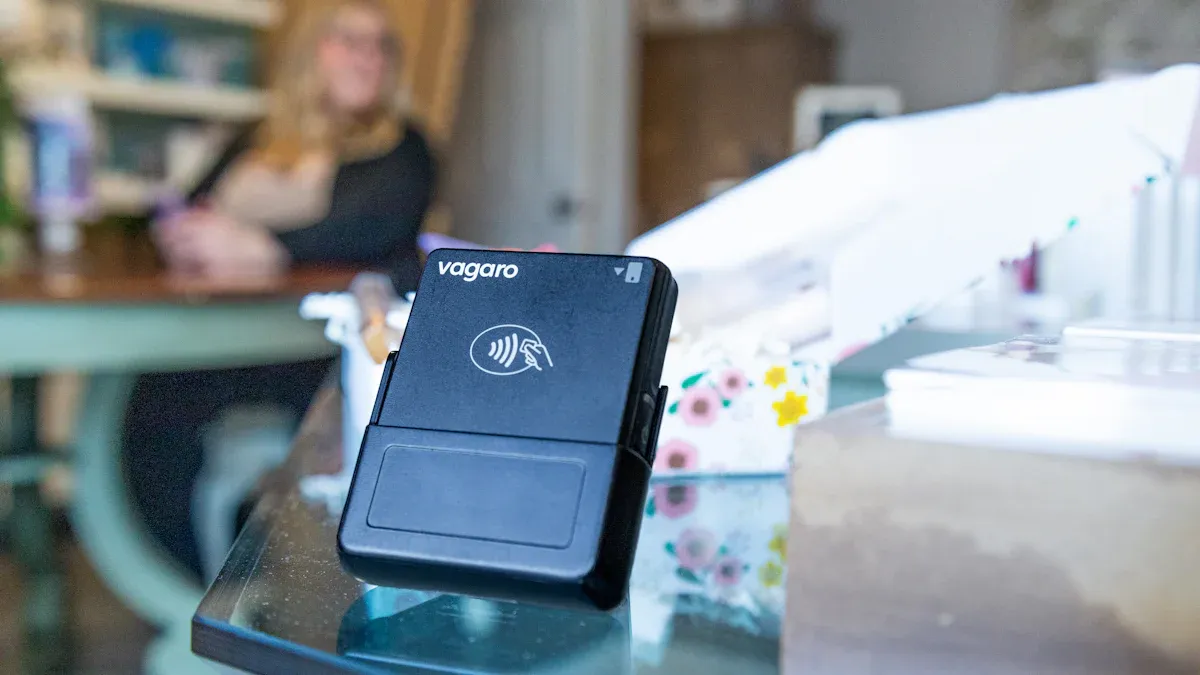
You have to pick the RFID reader that works best for your business. UHF Wireless RFID Readers are great if you need fast and long-range reading. They are often used in logistics and supply chain jobs. HF readers are common in libraries and payment systems. They can read many tags at the same time. Picking the right one helps your business work better.
The MR6211E is good for tracking things from far away.
The MR6221E is best for tracking things from a medium distance.
The MR6261E works well for scanning things that are close to you.
Key Takeaways
UHF RFID readers are best for tracking things far away. They work well in places like warehouses and shipping. HF RFID readers are good for tracking things close by. They are great for things like checking who enters a building or for library books. Pick UHF RFID if you need to scan lots of tags fast. UHF readers can read many tags in just a few seconds. HF RFID works better near metal and water. This makes it good for places like hospitals and libraries. Think about the price of readers and tags. UHF readers usually cost less. HF tags have more memory and special features. Plan your RFID system for your space. UHF is good for big spaces. HF works better in small or crowded places. Use a decision tree to help you pick UHF or HF RFID. Your choice should fit your needs and where you use it. Talk to experts like SHENZHEN MARKTRACE CO.,LTD. They can help you find the best RFID system for your business.
UHF vs HF RFID Differences
When you pick an RFID system, you should know how UHF and HF are not the same. These differences change how well the system works for your needs.
Frequency and Range
UHF Frequency Bands
UHF RFID uses higher frequency bands, between 860 and 960 MHz. This lets you read tags from far away. You can use UHF RFID to cover big spaces, like warehouses or shipping docks. The MR6211E from SHENZHEN MARKTRACE CO.,LTD. is a good example. It reads tags from long distances. This makes it great for tracking many things at once.
HF Frequency Bands
HF RFID uses a lower frequency, 13.56 MHz. This band is best for short-range jobs. You can use HF RFID in places like libraries or ticketing systems. It reads tags up to about 1 meter away. HF RFID is not bothered much by water or metal. So, you get good results even in hard places.
Here is a table that shows the main differences in frequency and range:
Feature | HF RFID | UHF RFID |
|---|---|---|
Frequency Range | 13.56 MHz | |
Read Range | Typically less than 5 ft | Up to 30 ft |
Power Transfer Method | Inductive coupling | Capacitive coupling |
Susceptibility to Liquids | Less susceptible to absorption | More susceptible to absorption |
Effect of Metals | Changes inductance, reduces range | Changes inductance, reduces range |
Tip: If you need to read tags from far away, pick a UHF RFID reader like the MR6211E.
Data Transfer and Compatibility
UHF Data Rates
UHF RFID readers can find many tags at once. They work well in busy places where you need to scan lots of items fast. The MR6221E and MR6261E from SHENZHEN MARKTRACE CO.,LTD. show how UHF RFID can read tags quickly and correctly. UHF RFID usually has less memory, but it reads tags very fast.
HF Data Rates
HF RFID can move bigger blocks of data quickly. You can use HF RFID when you need to keep more information on each tag. HF RFID tags often have more memory than UHF tags. This makes them good for library books or smart cards.
Here is a table that compares data transfer and compatibility:
Feature | HF RFID | UHF RFID |
|---|---|---|
Data Transfer Speed | Slower for large data amounts | |
Memory Capacity | Larger user memory available | Typically smaller user memory |
Focus | Fast identification | Fast identification |
Note: UHF RFID is best for finding tags fast, while HF RFID is better for storing more data on each tag.
Tag and Reader Basics
You should know how tags and readers work together. UHF RFID uses backscatter modulation. This helps you read tags from up to 10 meters away. UHF RFID can read many tags at the same time, sometimes up to 200 tags each second. This is good for inventory or asset tracking.
HF RFID uses amplitude shift keying. It reads tags up to 1 meter away. HF RFID is not bothered much by metal and water. It can read about 50 tags at once. HF RFID tags can hold more data, sometimes up to 8K bytes.
Here is a table that shows the basics:
Feature | UHF RFID | HF RFID |
|---|---|---|
Modulation Methods | Backscatter modulation | Amplitude shift keying (ASK) |
Read Range | Up to 1 m | |
Susceptibility to Liquids | More susceptible | Less susceptible |
Memory Capacity | Typically lower, often 96 bits | Ranges from 96 bits to 8K bytes |
Anti-Collision Capability | Higher simultaneous reads (200 tags/sec) | Lower simultaneous reads (50 tags) |
Environmental Impact | Affected by field nulls and metals | Less affected by metals |
Frequency Band | 860 to 960 MHz | 13.56 MHz |
You can see how SHENZHEN MARKTRACE CO.,LTD. uses these features in their UHF RFID readers. The MR6211E gives you long-range reading. The MR6221E gives you a mix of range and speed. The MR6261E gives you close-up reading. These readers help you track things, manage inventory, and make your business better.
Remember: UHF RFID is best for big tracking jobs and fast scanning. HF RFID works well for safe, short-range jobs.
Performance of UHF Wireless RFID Readers
Read Range and Coverage
Long-Range Capabilities
UHF wireless RFID readers can cover big spaces. They read tags from farther away than HF readers. The MR6211E works well at gates or in large storage areas. You can track items without walking closer. This saves time and helps you manage your things better.
Here is a table that shows how far UHF and HF readers can read:
RFID Type | Typical Read Range | Notes |
|---|---|---|
HF | Up to 1 m | Magnetic field strength drops fast as you move away |
UHF | Up to 10 m | Electric field strength goes farther, but only 33 cm in Europe because of power rules |
Short-Range Precision
Sometimes you need to scan things that are close. The MR6261E is good for short-range jobs. You can use it at packing stations or for checking quality. The MR6221E is good for medium-range jobs, like watching aisles or sorting items. You can pick the right reader for your needs.
Here is another table that shows how far each type can read:
RFID Type | Typical Read Distance | Notes |
|---|---|---|
HF | Less than 5 ft | Magnetic field strength gets weaker quickly |
UHF | Electric field strength lets you read from farther away |
Tip: Pick MR6211E for long-range, MR6221E for medium-range, and MR6261E for short-range jobs.
Reliability and Interference
Metals and Liquids Impact
UHF RFID readers can have trouble near metals or liquids. Metals can bounce and soak up radio waves. This makes reading tags harder and less accurate. Liquids soak up RF energy and make it tough to read tags. In stores or warehouses, metal shelves and liquid items can cause missed reads. You can use tags that are more sensitive or covers to help them work better.
Environmental Factors
Where you use UHF RFID readers can change how well they work. Signals can bounce off surfaces and scatter. This makes it hard to find tags. Other wireless devices nearby can mess up tag data. Things in the way can block signals and cause shadow effects. If many devices use the same frequency, they can interfere with each other. You can plan your setup to avoid these problems.
Multipath effects: Signals bounce and scatter, lowering quality.
Adjacent channel interference: Other wireless devices mess up tag data.
Shadow effects: Things block signals.
Co-channel interference: Devices on the same frequency interfere.
Anti-Collision and Security
UHF RFID readers can scan lots of tags at once. Special anti-collision technology helps you scan hundreds of tags fast. The Impinj E710 chip can read over 1200 tags each second. You can use encryption and secure ways to keep your data safe. RFID tags can hold encrypted information. You can also use tamper detection and anti-counterfeiting features for extra safety.
Data encryption and authentication keep your info safe.
Anti-collision lets you scan many tags at once.
Secure identification stops people from getting in without permission.
Note: UHF wireless RFID readers are fast, safe, and accurate for tracking in many places.
HF RFID Performance Factors
Accuracy and Control
Tag Selection Precision
You want your RFID system to always pick the right tag. HF RFID lets you control which tag you scan. This means you can read just one or a few tags at once. It helps you make fewer mistakes. This is useful when you need to track important things, like medical tools or access cards.
To get the best results, you should:
Pick tags that fit your space.
Put tags where there is little signal trouble.
Make sure the signal is strong and clear.
You also need to think about:
The frequency you pick.
What the tag is stuck on.
How you put the tag on.
How far and how fast you scan.
The rules you must follow.
Here is a table that shows how HF RFID and UHF RFID compare for accuracy and control:
Feature | HF RFID | UHF RFID |
|---|---|---|
Frequency | 13.56 MHz | 860–960 MHz |
Reading Range | Few centimeters to about a meter | Several meters, sometimes over ten meters |
Tag Reading | One or a few tags at a time | Multiple tags at once |
Speed | Slower | Faster |
Sensitivity | Works well near metal and water | More sensitive to metal and water |
Applications | Access control, medical devices | Large warehouses, logistics setups |
Accuracy | Very accurate, good for careful jobs | Less control over single tag accuracy in some places |
Security in High-Security Environments
You need strong security in places like offices, hospitals, or payment systems. HF RFID works well in these places. It uses short-range signals, so only people close by can use it. This makes it harder for others to steal your information.
RFID Type | Frequency | Range | Security Features |
|---|---|---|---|
HF | 13.56 MHz | 10-30 cm | |
UHF | Varies | Longer | Not as good for high-security |
You can trust HF RFID for safe access and data sharing. It does not have many problems with metal or water, so your system stays safe.
Environmental Suitability
Performance Near Metal
You might worry about using RFID near metal. HF RFID readers work better near metal and water than UHF readers. They use near-field technology, so they can read tags even if metal or water is close. For example, in a library, you can scan lots of books on a shelf in a few minutes. This saves time and gives you good results.
If you use HF RFID in factories or warehouses, you can get better reads by:
Putting tags away from corners or edges.
Using flexible anti-metal tags.
Changing the angle of the reader.
Adding shields behind the tags.
These steps help you get the best results, even in hard places.
Use in Dense Environments
You may need to scan many items packed close together. HF RFID is great for crowded places. It can read stacked tags, files, or books quickly and well. You can use guides or rules to make sure every tag gets read. In a busy center, simple changes like markers can help you read more tags, sometimes by over 15%.
You should also remember:
Do not put tags where metal reflections are strongest.
Put tags on the side with less liquid or metal.
Make sure lower tags do not block the ones above.
With HF RFID, you get good results in crowded spaces. This makes it a smart choice for libraries, offices, and busy storage rooms.
UHF RFID Applications and Use Cases
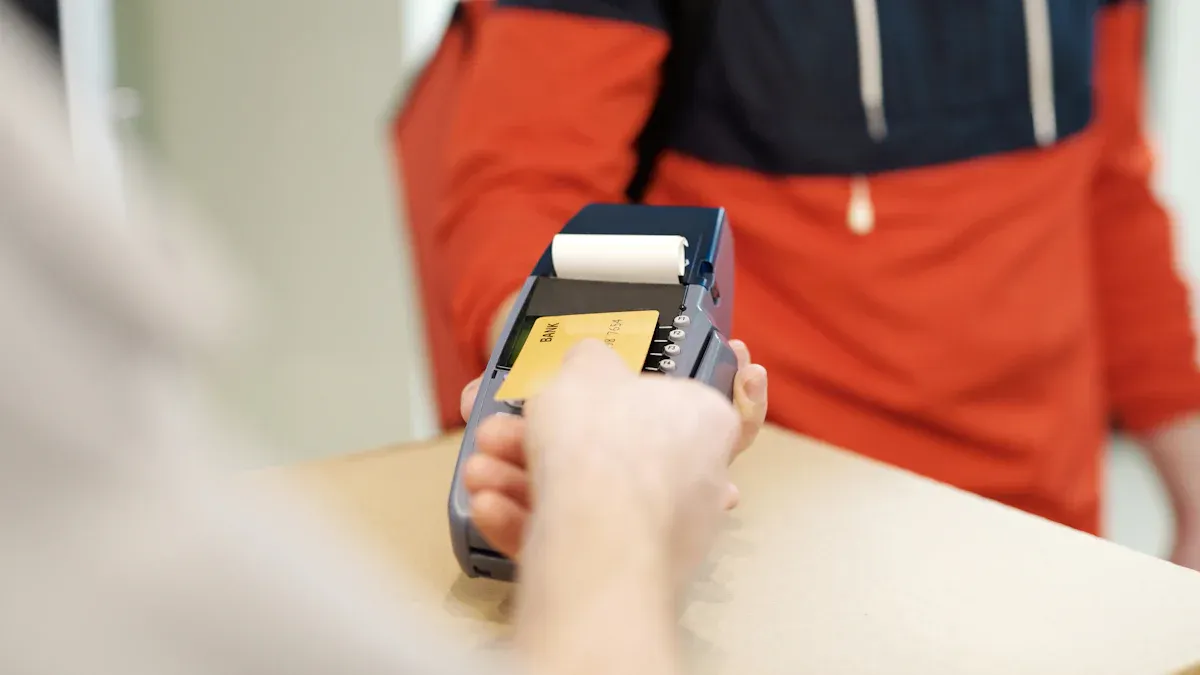
Logistics and Supply Chain
You can use uhf wireless rfid readers to make your supply chain better. These readers let you see your inventory right away. You always know where your products are. You can track them from the factory to the warehouse and then to the store. You can watch shipments as they move. This helps you stop items from getting lost. Uhf wireless rfid readers help you run your warehouses better. You can find pallets and containers fast. This saves time and money.
Many businesses use uhf wireless rfid readers in the supply chain. In manufacturing, you can track raw materials and finished goods. In logistics, you can watch shipments and keep things running well. In the automotive industry, you can follow parts and shipments as they move.
See your inventory in real time
Track transportation better
Manage warehouses more easily
Track raw materials and finished goods
Watch pallets and containers
Tip: The MR6211E, MR6221E, and MR6261E readers from SHENZHEN MARKTRACE CO.,LTD. help you keep your supply chain working well.
Asset and Inventory Tracking
You can use uhf wireless rfid readers to track your assets and inventory quickly and correctly. These readers let you scan many items at once. You do not have to scan each item by itself. This makes your job faster and easier. You can use these readers in factories, hospitals, and stores. You can track machines, tools, and even hospital equipment.
Uhf wireless rfid readers help you keep your inventory up to date. You can do quick checks and audits. You can find missing items fast. You can also use these readers to check shipments and make sure everything is right. In the food industry, you can use them to keep food safe and fresh by tracking it.
Track inventory in real time
Check shipments quickly
Track machines and tools easily
Find where assets are right away
Scan and find all tagged items fast
Note: The MR6211E, MR6221E, and MR6261E readers make inventory jobs easy and quick.
Retail and Livestock Management
Uhf wireless rfid readers help you in retail and livestock management. In retail, you can check inventory fast and make fewer mistakes. You can use these readers at checkout to help customers pay faster. You can also stop theft by tracking goods as they move in the store. In livestock management, you can track animals and keep records up to date.
Here is a table that shows how uhf wireless rfid readers help in retail and livestock management:
Benefit | Description |
|---|---|
Lets you check inventory fast and correctly, so you make fewer mistakes and work better. | |
Customer Experience | Makes checkout faster and easier for customers. |
Loss Prevention | Finds goods that move without permission, so you can stop theft. |
Supply Chain Management | Helps you track goods as they move, so you know where they are. |
Traceability | Lets people see product details, so they trust what they buy. |
You can use SHENZHEN MARKTRACE CO.,LTD. readers to make your supply chain, inventory, and retail work better. These readers give you what you need to do well.
HF RFID Applications
Access Control
You can use HF RFID to keep places safe. It helps you control who can go into rooms or buildings. People use smart cards or badges with secret codes. These work with HF RFID readers. Only the right people can get in. You see this in offices, hospitals, and schools. HF RFID makes it simple to decide who can enter each area.
Here is a table that shows how HF RFID helps with access control:
Application Type | Description |
|---|---|
Enhanced Security | HF RFID systems support encrypted credentials, providing a higher level of security. |
Integration with Smart Cards | These systems can work with various smart card technologies, enhancing versatility. |
Commercial and Institutional Use | Ideal for environments like corporate offices and hospitals that require stringent security measures. |
Tip: HF RFID helps you keep your building safe and lets you pick who can go where.
Library and Media
HF RFID is good for libraries and media centers. You can find books and papers fast. This technology lets you see what is on the shelves any time. You can check out and return books quickly. You do not have to wait in long lines. Staff can help visitors more instead of doing boring jobs.
RFID helps you see which books and papers are there.
The technology helps stop theft and makes things more accurate.
Many libraries use HF RFID to make things easier. For example, the City University of Hong Kong Library uses HF RFID for a self-service system called EasyService. You can borrow and return books any time, even at night. Staff can help you more because they do not have to scan every book by hand.
Note: HF RFID helps libraries work better and makes your visit easier.
Payment and Ticketing
You can use HF RFID for quick and safe payments or tickets. This technology keeps your personal and money information safe. You can pay or get into events with just a tap. HF RFID works in less than a second, so you do not have to wait. You get a better time at concerts, games, or on buses and trains.
Here is a table that shows the advantages of HF RFID in payment and ticketing:
Advantage | Description |
|---|---|
Enhanced Security | RFID technology provides multiple layers of security, protecting personal and financial data. |
Operational Efficiency | RFID systems process entries in less than one second, significantly faster than traditional methods. |
Improved Guest Experiences | Personalization features enhance engagement, allowing for social media integration and exclusive content. |
Effortless Re-Entry and Access | RFID systems manage re-entry and area access seamlessly, improving the overall event experience. |
RFID helps you spend money and save time.
You do not have to wait like with old ticket systems.
Tip: HF RFID makes paying and getting tickets fast, safe, and simple for you.
Practical Considerations for RFID Selection
Cost and Investment
Reader and Tag Pricing
You need to think about the price of RFID readers and tags before you choose a system. UHF RFID readers cost less than HF readers, but UHF tags are cheaper. HF tags cost more because they have more memory and features. UHF RFID works well for large spaces and long-range tracking, but you pay more for the setup and infrastructure. HF RFID is better for short-range jobs and costs less to install.
Here is a table that shows the typical costs for each system:
System Type | Reader Cost | Tag Cost | Installation Cost | Maintenance Considerations |
|---|---|---|---|---|
UHF | $800–1,500 | $0.10 each | $2,000–5,000 | Frequent adjustments, dust sensitivity |
HF | $1,200–2,000 | $0.50 each | $1,000–3,000 | Plug-and-play, battery hassles for handheld models |
You should look at the total cost, including tags, readers, installation, and maintenance. If you want to use item-level rfid tagging for tracking in a warehouse, UHF RFID may cost more at first but helps you scan many items quickly. HF RFID is a good choice for smaller spaces or jobs like payment systems.
Tip: Think about your budget and the size of your operation before you pick UHF or HF RFID.
Maintenance Costs
Maintenance is important for keeping your RFID system working well. UHF RFID readers need regular checks because dust and dirt can affect performance. You may need to adjust the system often, especially in busy places. HF RFID readers are easier to use and set up. You can plug them in and start tracking right away. Handheld HF readers need battery changes, but they do not need much upkeep.
You should plan for maintenance costs when you choose your RFID system. If you use item-level rfid tagging for tracking in a store, you may need to clean UHF readers more often. HF readers are simple and work well in clean environments.
Tag Size and Form Factor
Tag size and shape matter when you pick an RFID system. You can choose thin label tags for mild conditions or hard tags for tough places. On-metal tags work well on metal surfaces, which can block signals. UHF tags are small and fit on many items. HF tags are bigger and hold more data, making them good for item-level tracking in libraries or hospitals.
Here is a table that shows different tag types:
Tag Type | Characteristics |
|---|---|
Label tags | Thin and inexpensive; suitable for mild environmental conditions. |
Hard/rugged tags | Durable materials; designed for harsh environments (e.g., metal, outdoor). |
On-metal tags | Engineered to perform well on metal surfaces, which can interfere with signals. |
You should pick the tag that fits your needs. If you need tracking in a factory, hard tags last longer. For item-level tracking in retail, label tags work well.
Standards and Compliance
You must follow standards and rules when you use RFID systems. UHF RFID uses global standards like EPC Gen2, which helps you track items across countries. HF RFID follows ISO standards, making it safe for payments and access control. You should check local laws and industry rules before you install your system.
Note: SHENZHEN MARKTRACE CO.,LTD. offers readers that meet global standards, making them a smart choice for tracking in many industries.
Power and Deployment
You need to think about power and deployment when you choose an RFID system. UHF and HF RFID readers work in different ways. Each type has its own needs for power and setup.
UHF RFID readers usually need more power. You use them to scan tags from far away. These readers work well in big spaces like warehouses or shipping yards. You often plug them into a power source or use strong batteries. You must plan where to put the readers so they cover the whole area. You may need to use several readers to scan all your items.
HF RFID readers use less power. You scan tags that are close to you. These readers work well in small spaces like offices, libraries, or ticketing booths. You can use them with smaller batteries or plug them in. You do not need as many readers because the scanning area is smaller. You can set up HF readers quickly and easily.
Here is a table that shows the main differences:
Feature | UHF RFID Readers | HF RFID Readers |
|---|---|---|
Operational Range | Several feet | Inches |
Power Requirements | Typically requires more power | Generally lower power requirements |
Environmental Considerations | Affected by liquids and metals | Less affected by environmental factors |
Tag and Reader Differences | Different tags and readers used | Different tags and readers used |
You must also think about the environment. UHF RFID readers can have trouble near metal or water. You may need to use special tags or covers. HF RFID readers work better in places with metal or water. You can use them in crowded rooms or near shelves.
When you deploy your RFID system, you should:
Check the size of your space.
Decide how many readers you need.
Pick the right power source for each reader.
Test the system in your environment.
If you need to scan items from far away, you can use the MR6211E from SHENZHEN MARKTRACE CO.,LTD. This reader covers large areas and works well in busy places. For medium-range jobs, you can use the MR6221E. If you need close-up scanning, the MR6261E is a good choice. These readers give you flexible options for power and deployment.
Tip: Always match your RFID reader to your space and power needs. This helps you get the best results and makes your system easy to use.
You can make your business run better by picking the right RFID reader and planning your setup. You save time and money when you use the right power and deployment strategy.
Decision Guide for UHF and HF RFID
Checklist for Selection
You want to pick the best RFID system for your job. A checklist can help you compare UHF and HF. You look at what matters most before you choose. The table below can help you decide.
Factor | UHF Considerations | HF Considerations |
|---|---|---|
Reading Distance | Good for reading lots of tags from far away | Best for reading tags close by, like cards or tickets |
Environmental Conditions | Metal and liquids can make reading hard | Works better in tough places with metal or water |
Use Cases | Great for fast-moving inventory and busy places | Good for tight spaces and stacked items |
Tip: Check each thing in the table. Think about your space, what you want to track, and how you will use the system.
Decision Tree for Scenarios
A decision tree can help you pick the right RFID. It asks easy questions. You answer them to find the best choice. This way, you see which system fits your needs.
First, ask, "Do I need to read tags from far away or close up?"
If you need to read from far away, UHF might be best.
If you need to read close and keep things safe, HF is better.
Think about your space. Is there lots of metal or water? HF works better here.
Think about how many tags you need to scan at once. UHF can scan many tags fast.
Look at what you need to do. Do you want quick inventory checks or safe access?
A decision tree helps you match your needs to the right RFID. You get better results and faster tracking when you pick the right one.
Summary Table of Differences
You can see the main ways UHF and HF RFID are different in this table. This makes it easy to compare both types.
Feature | UHF RFID | HF RFID |
|---|---|---|
Frequency | 860–960 MHz | 13.56 MHz |
Read Range | Up to 10 meters | Up to 1 meter |
Tag Read Speed | Very fast, many tags at once | Slower, fewer tags at once |
Memory Capacity | Usually smaller | Often larger |
Environmental Impact | Sensitive to metal and liquids | More stable near metal and liquids |
Best Use Cases | Warehouses, logistics, retail | Libraries, access control, payments |
Note: Use this table to compare features. You can see which RFID type fits your needs.
You can make a good choice with these tools. The checklist, decision tree, and table help you pick the right system for your business.
Recommendations by Application
You want to choose the best RFID system for your job. Each application works better with a certain type of RFID. Here are clear recommendations to help you decide:
1. Logistics and Supply Chain
You need to track many items over long distances. UHF RFID works best here. You can scan pallets, containers, and shipments quickly. You save time and reduce mistakes. The MR6211E reader from SHENZHEN MARKTRACE CO.,LTD. gives you strong performance in large warehouses and shipping yards.
Tip: Use UHF RFID for fast, long-range tracking in busy supply chains.
2. Asset and Inventory Tracking
You want to check inventory or assets in real time. UHF RFID helps you scan many items at once. You can use the MR6221E for medium-range tracking in factories or hospitals. The MR6261E works well for close-up scanning in stores or small rooms.
Use UHF RFID for:
Factory equipment tracking
Hospital asset management
Retail inventory checks
3. Retail and Livestock Management
You need to manage stock or animals. UHF RFID lets you scan products on shelves or track livestock in the field. You get quick updates and better control. The MR6211E and MR6221E readers help you cover large areas and keep records up to date.
4. Access Control
You want to control who enters a building or room. HF RFID is the best choice. It reads cards or badges at short range. You get high security and easy setup. HF RFID works well in offices, schools, and hospitals.
Note: Choose HF RFID for secure access and entry systems.
5. Library and Media Management
You need to track books, DVDs, or files. HF RFID gives you accurate results in crowded shelves. You can check out and return items fast. HF RFID works well in libraries and media centers.
6. Payment and Ticketing
You want fast and safe payments or tickets. HF RFID lets you tap a card or ticket for quick entry. You get strong security and smooth service. HF RFID is common in public transport, events, and cashless payments.
Here is a table to help you match your application to the right RFID type:
Application Area | Recommended RFID Type | Example Product (if UHF) | Key Benefit |
|---|---|---|---|
Logistics & Supply Chain | UHF | MR6211E, MR6221E, MR6261E | Long-range, fast tracking |
Asset & Inventory Tracking | UHF | MR6221E, MR6261E | Real-time, bulk scanning |
Retail & Livestock | UHF | MR6211E, MR6221E | Wide coverage, quick updates |
Access Control | HF | — | High security, short-range |
Library & Media | HF | — | Accurate in dense environments |
Payment & Ticketing | HF | — | Fast, secure transactions |
Alert: Always match your RFID choice to your main goal. UHF works best for speed and distance. HF is better for security and close-up jobs.
You can talk to SHENZHEN MARKTRACE CO.,LTD. for more help. They can guide you to the right reader for your business.
You must pick the RFID reader that fits your job. UHF is good for tracking things from far away. It helps you manage inventory in big spaces. HF is best for keeping things safe and secure up close. Use UHF in busy warehouses where you need to scan lots of items. Use HF in pharmaceutical jobs where safety and accuracy matter most. If you work with medicine, make sure you focus on being careful and safe. Look at the decision tree before you make your choice. If you need help, ask SHENZHEN MARKTRACE CO.,LTD. for advice.
FAQ
What is the main difference between UHF and HF RFID readers?
UHF RFID readers scan tags from farther away. HF RFID readers work best up close. You should pick UHF for large spaces and HF for secure, short-range jobs.
Can I use UHF RFID readers near metal or water?
You may see some trouble when you use UHF near metal or water. These materials can block signals. You can use special tags or covers to help your system work better.
Which SHENZHEN MARKTRACE CO.,LTD. reader should I choose for long-range tracking?
You should choose the MR6211E. This reader scans tags from far away. It works well in warehouses, shipping yards, and large storage areas.
Are HF RFID readers safe for payment and access control?
Yes. HF RFID readers use short-range signals. This makes them safe for payments and secure entry. You see them in offices, schools, and public transport.
How many tags can a UHF RFID reader scan at once?
UHF RFID readers can scan hundreds of tags in seconds. This helps you check inventory or track assets quickly.
Do RFID tags come in different sizes?
Yes. You can find small label tags for retail or large rugged tags for factories. Pick the tag size that fits your job.
How do I know which RFID system is right for me?
Use a checklist. Think about your space, what you want to track, and how far you need to scan. You can ask SHENZHEN MARKTRACE CO.,LTD. for advice.
Can I use both UHF and HF RFID in one business?
Yes. You can use UHF for tracking inventory and HF for secure access or payments. Many businesses use both to get the best results.
- Next>:Wireless RFID Readers in Supply Chain Management

 2025-10-31
 Blogs
Blogs