
Help me choose a supplier for active RFID tags used in construction safety
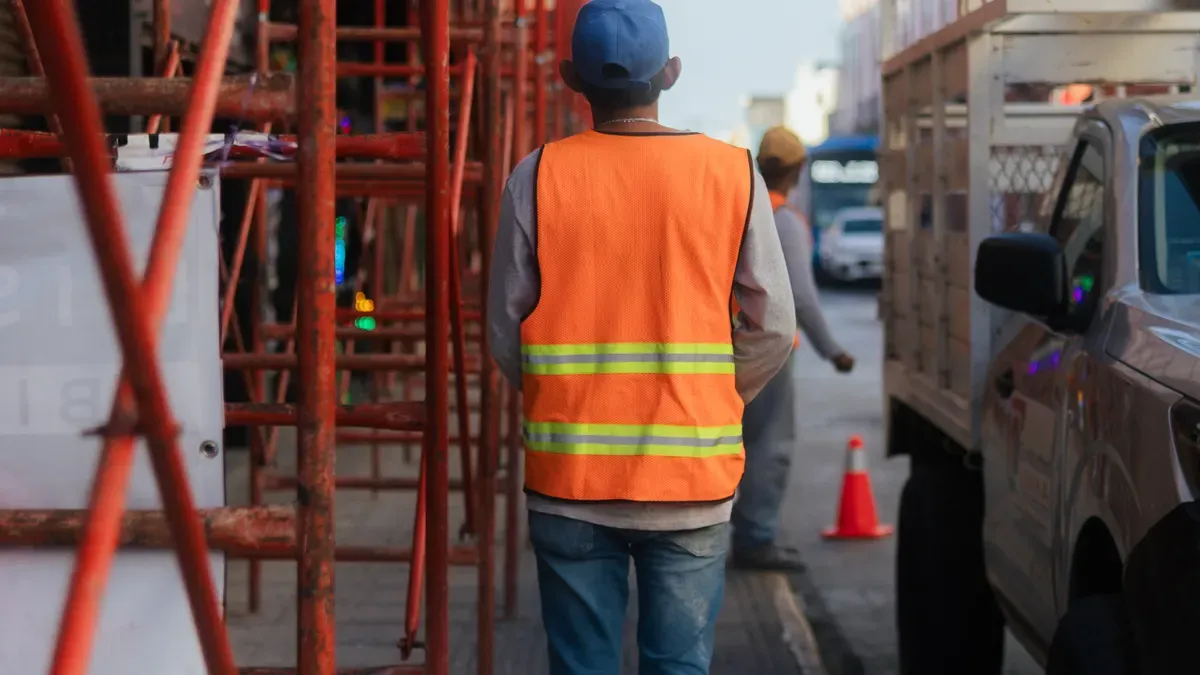
Imagine a construction site where workers use technology to stay safe. Picking the right supplier for active RFID tags helps protect your team. It also helps you avoid expensive mistakes. If you choose the wrong supplier, you might have delays. There could be arguments and even safety problems. A supplier with good experience and reliable products keeps your project going. You will also follow important rules. Check the table below to see how your choice matters:
Impact Area | Description |
|---|---|
Worker Safety | Makes sure suppliers follow safety rules and lowers risks from not following them. |
Project Efficiency | Improves project management by using smart buying plans. |
Regulatory Compliance | Lowers the chance of fines by making sure suppliers have the right papers and certificates. |
Your choice is important for everyone on your site.
Key Takeaways
Picking the right supplier for active RFID tags keeps workers safer. These tags help track people in real time and warn them about danger zones. A good supplier helps you follow safety rules. This lowers the chance of getting fined and helps the project run better. Active RFID tags can track things from far away. This makes them great for big construction sites. Buying good active RFID tags can save money over time. They help stop delays and make work go faster. Choose suppliers who give strong technical support. They should help with setup and fixing problems so things work well. Check if suppliers know a lot about construction safety. See if they have many products to fit what you need. Look at reviews and ask for references to see if the supplier is trustworthy. Always think about the total cost, like battery life and upkeep, when picking RFID tags for your job.
Why Supplier Choice Matters
Impact on Safety
You want all workers to be safe every day. The right supplier helps you do this. A trusted supplier for active RFID tags gives your team more protection. These tags show where workers are at all times. You can see everyone, even in busy or dangerous spots. If someone goes into a risky area, the system sends a warning. This fast alert can stop accidents before they happen.
Real-time tracking with RFID badges keeps workers in safe places and helps you act quickly in emergencies. You can control who goes into dangerous areas, which lowers the chance of getting hurt.
Suppliers who know about construction safety do more than sell products. They help you set up systems that work for your site. They teach you how to use technology to keep people safe. You feel calm, and your team feels important.
Compliance Needs
You have to follow strict rules on every construction site. The right supplier makes this easier for you. They give you tools that help you meet safety rules and avoid fines. With active RFID tags, you can:
Check if workers have the right personal protective equipment (PPE). Only workers with the right gear can go into some areas.
Use alerts to stop accidents between workers and machines.
Track workers in real time to help in emergencies.
A construction company used RFID to check PPE. After six months, problems with rules dropped by 40%. This shows how the right supplier can help you follow rules and keep your team safe.
Cost and Efficiency
You want to save money and finish work on time. The supplier you choose affects both things. Some suppliers have tags that last longer and work in bigger areas. Others may cost less but do not give much help. You need to think about both price and value.
Here is a quick look at how different RFID tags compare:
Type of RFID Tag | Cost Range (per tag) | Efficiency Impact |
|---|---|---|
Active RFID | $15 to $50+ | Longer read ranges, real-time tracking, enhances operational efficiency |
Passive RFID | $0.10 to a few dollars | Economical for large-scale deployments, relies on reader energy for operation |
Active RFID tags cost more, but they track better and work faster. You spend less time looking for people or tools. You avoid delays and keep your project going.
Picking the right supplier means you get good products, better safety, and more for your money.
Understanding Active RFID Tags
What Are Active RFID Tags
You need to know where workers and equipment are. Active RFID tags help you do this. These small devices have a battery inside. They send signals to readers on your site. You get updates about where people and things are right now. This helps keep everyone safe and your project running well.
Active RFID tags work great in busy, big places. You can put them on helmets, tools, or vehicles. The tags send out signals every few seconds. You see changes in location right away. This quick feedback helps you act fast if there is a safety problem.
Active vs. Passive RFID Tags
You might wonder how active RFID tags are different from passive ones. The main difference is how they send signals. Active tags use their own battery. Passive tags get power from the reader. This changes how you use them at work.
Feature | Active RFID Tags | Passive RFID Tags |
|---|---|---|
Signal Range | Tens of meters | Meters |
Real-time Monitoring | Continuous reporting | Periodic scanning |
Cost and Lifespan | Higher cost, 3-5 years lifespan | Lower cost, 20+ years lifespan |
Size and Attachment | Larger, requires mounts | Smaller, can be labels or cards |
Active RFID tags can reach much farther. You can track workers over a big area. You also get real-time information, which is important for safety. Passive tags cost less and last longer, but they do not track as well.
Key Features for Construction
You need features that work for tough construction jobs. Active RFID tags give you many good things:
High accuracy helps you manage people and equipment.
Flexible tracking lets you use tags on many things, like helmets or machines.
Strong signals cover large sites, so you do not lose track of items.
Rugged design keeps working even with dust, water, or bumps.
Tip: Pick active RFID tags that watch all the time and cover a wide area. This helps you keep your site safe and working well.
When you use active RFID tags, you control your site better. You lower risks, save time, and keep your team safe. Make a smart choice for your next project.
Define Project Needs
Range and Coverage
You need to track workers and equipment everywhere on your site. The right range helps you do this. Not all RFID tags reach far. Some tags only work for a short distance. Others can cover much bigger areas. For big projects, you need tags that reach up to 100 meters. This lets you watch people and tools without missing spots. Some tags can even reach almost 1,000 meters in the best conditions. The real range depends on the tag’s design, frequency, battery, and where you use it. If you pick tags with strong signals, you will not lose track of important things.
Most active RFID tags can read between 40 and 100 meters.
Some advanced tags can go past 100 meters.
Walls or machines can change how far the signal goes.
A 100-meter range is good for most sites.
Tip: Always test the range at your site before you choose.
Durability and Environment
Construction sites are tough places. There is dust, water, and hot or cold weather. You need RFID tags that can handle these things. If you pick weak tags, they might break or lose signal. Choose tags made for rough places. Look for strong designs that keep working even when things get hard.
Dust can block signals and make tags work worse.
Water can cause rust, especially in tags that are not protected.
Hot or cold weather can break tags or make them stop working.
You want tags that keep tracking no matter what happens. Strong tags save you money and time because you do not have to replace them often.
Real-Time Monitoring
Real-time monitoring keeps your team safe and your project running. You need to know where everyone and everything is all the time. Active RFID tags help you do this. They send updates every few seconds, so you always know what is happening. This helps you act fast if something goes wrong.
Continuous tracking lets you see workers and tools right away.
Geofencing sets up invisible lines to keep people out of dangerous places.
Automatic alerts warn you about safety risks, like missing gear.
Compliance monitoring helps you check safety equipment maintenance.
Real-time data helps you stop accidents and act fast in emergencies. You protect your workers and keep your project moving.
When you plan your project, focus on range, strength, and real-time tracking. These features help you pick the best RFID tags for your site.
Evaluating Suppliers for Active RFID Tags
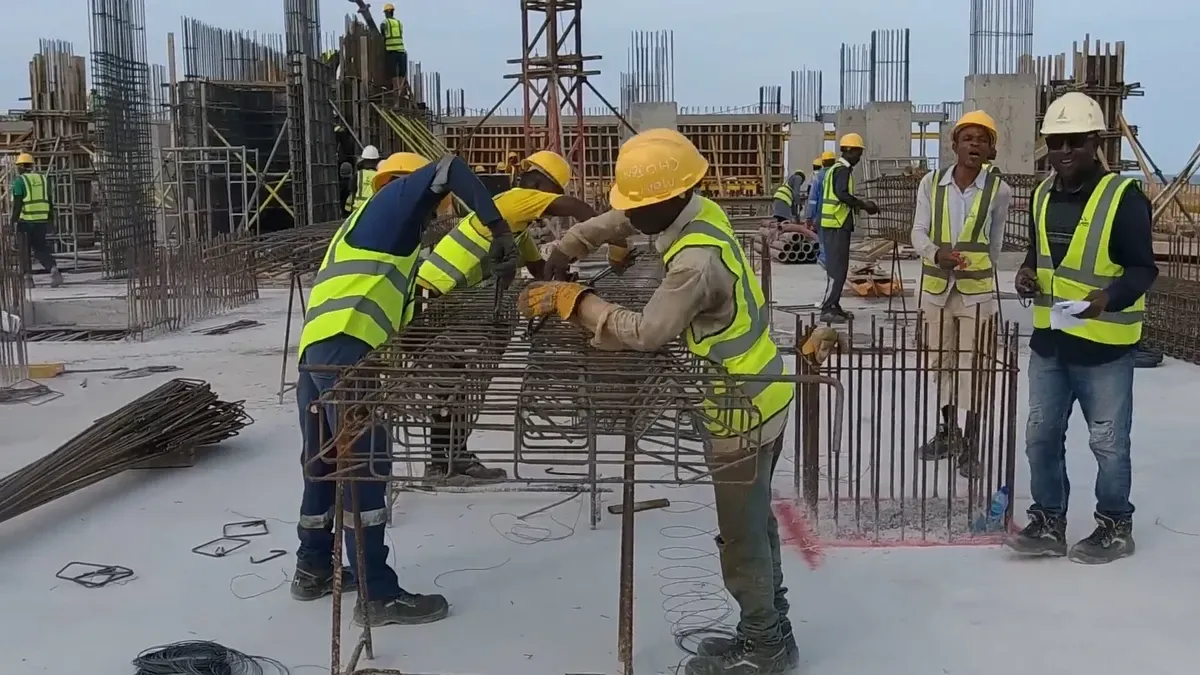
Industry Experience
You want a supplier who knows about construction safety. Experience is very important. If you pick a supplier with lots of experience, you get more than just tags. You get help that fits your site. Here are some signs of good experience:
Inventory tracking: Experienced suppliers use RFID to track materials. This helps you avoid mistakes and saves time.
Streamlined materials tracking: Good suppliers help you plan and manage resources. You get updates on materials, so you work faster.
Accurate material status and inventories: Suppliers with experience give you correct information. You always know where things are and stop delays from missing items.
A supplier with real experience keeps your project moving. You avoid big mistakes and make your site safer.
Product Range and Customization
You need choices that fit your project. Suppliers with many products let you pick the best tags. Customization is also important. You might need tags for helmets, tools, or vehicles. Some suppliers have tags with special features, like current monitoring or badges for tracking people.
Ask these questions:
Does the supplier have different models for different needs?
Can you change tags to fit your site?
Are the tags easy to set up with software?
If you pick a supplier with many choices, you get tags that fit your job. You can track workers, equipment, and even check on electrical items. Custom tags help you solve special problems on your site.
Choose a supplier who listens to what you need. You get products that work for you, not just basic ones.
Technical Support
You need help when setting up your system. Good technical support is very helpful. Suppliers with strong support help you install everything. They fix problems fast. You get good service after you buy.
Look for these support features:
Installation help: The supplier shows you how to set up tags and readers.
Troubleshooting: You get help if something breaks.
Good after-sales support: The supplier answers your questions and keeps your system working.
Good technical support makes you feel sure. You can fix problems fast and keep your site safe.
When you look at suppliers for active RFID tags, think about experience, choices, and support. You get better results, safer sites, and more for your money.
Comparing Active RFID Tags
Battery Life
You want your RFID system to work all the time. Battery life is very important when you look at active RFID tags. Most top suppliers have tags that last about four years before you need a new battery. This means you do not have to spend much time or money fixing them.
If the battery lasts longer, you do not check or change tags as much.
Fewer battery changes mean your team does not stop working often.
You can plan when to do maintenance and feel sure about it.
The battery inside each tag is important. If you pick tags with cheap batteries, they might break more. This makes you spend more money and time fixing things. Good batteries help your project go well and keep costs low. You should also check tags often and watch them in real time. These steps help you find problems early and stop surprises. A good battery system makes your job easier and saves money later.
Tip: Pick active RFID tags with batteries that work well. This helps you avoid surprise costs and keeps your site working.
Signal Range
Signal range tells you how far you can track workers and tools. The best suppliers make active RFID tags that send signals very far. This helps you cover big construction sites and not lose track of things.
A wide signal range lets you see workers everywhere on your site.
You get updates right away, even in large or tricky places.
Strong signals help you see everything and keep people safe.
If your project is big, you need tags that reach far. Always test how far the signal goes at your site before you buy. This makes sure you get the coverage you need for safety and work.
Integration Options
You want your RFID system to work with the tools you already use. The best suppliers let you connect RFID tags to your other systems. Look for tags that work with your ERP, payroll, scheduling, estimating, and document tools.
Easy integration lets your systems share data by themselves.
You do not have to enter things twice or do extra paperwork.
Your team saves time and works better.
When your RFID tags work with your software, you get more from your money. Integrations help you see all your data in one place. This makes it easier to run your site and finish your project.
Note: Always ask suppliers if their tags work with your systems. The right choice helps you get the most from your active RFID tags.
IoT and Geofencing Capabilities
You want your construction site to be safe and smart. IoT and geofencing in active RFID tags help you do this. These tags do more than just show where things are. They connect your site to the internet and give you more control. Active RFID tags use batteries for power. This lets them send strong signals far away. You can track workers and equipment all over your site. The tags send signals every few seconds. You always know where your team and tools are. Many top suppliers put smart chips inside their tags. These chips handle data before sending it to your system. You get faster and better information. You can find problems and fix them quickly.
With IoT, your construction site becomes a connected network. You see everything as it happens and make better choices.
Geofencing lets you set up invisible lines on your site. When someone or something crosses a line, you get an alert. You can stop people from going into dangerous places. You can also see when equipment leaves a safe area. This helps you stop accidents and loss.
Here is a quick look at the main IoT and geofencing features in active RFID tags:
Feature | Description |
|---|---|
Battery-powered for strong, long-range signals | |
Signal Transmission | Sends signals all the time for real-time tracking |
Integration with Technologies | Built-in processors for smart data handling |
You can also find advanced tags with these options:
Mesh-networked BLE + GPS: This setup gives you very accurate tracking. You know exactly where everything is, even on large or complex sites.
Real-time Insights: Some tags have sensors for temperature or movement. You get instant data to help you keep your site safe and efficient.
Active RFID tags with IoT and geofencing give you a big advantage. You protect your workers. You stop theft and loss. You run your project with confidence. Pick a supplier who has these smart solutions, and you will notice the difference every day.
Cost and Ownership
Upfront vs. Long-Term Costs
You want to make a smart investment for your construction site. Active RFID tags cost more at first, but they give you more value over time. When you compare active and passive RFID tags, you see a big difference in price and features. Active tags give you real-time tracking and long-range signals. These features help you keep your workers safe and your tools secure.
Here is a simple table to help you see the costs:
Cost Type | Active RFID Tags | Passive RFID Tags |
|---|---|---|
Upfront Cost | $20 to $100+ each | $0.09 to $0.50 each |
Reader Cost | $1,300 to $1,900 | N/A |
Battery Replacement Cost | Every 3 to 5 years | N/A |
You pay more for active RFID tags at the start. You also need to buy readers. Passive tags cost less, but they do not give you the same safety and tracking benefits. Active tags last for years before you need to change the battery. This means you do not have to stop work often to fix or replace them.
Tip: Think about how much time and money you save when you do not lose tools or have safety problems. The right tags pay for themselves over time.
You should look at the total cost, not just the price tag. Active RFID tags help you avoid delays, reduce theft, and keep your team safe. These savings add up and make your project run better.
Maintenance and Warranty
You want your RFID system to work every day. Good suppliers give you strong support and clear warranty terms. Most suppliers offer a one-year warranty on RFID inlays and parts. You get help if something breaks early. Many suppliers also give you lifetime technical support. This means you can call or email for help whenever you need it.
Here is what you can expect from top suppliers:
One-year warranty on RFID inlays and components.
Lifetime maintenance for technical support.
Lifetime warranty does not cover scratches or normal wear.
You should always ask about the warranty before you buy. A good warranty shows that the supplier trusts their product. Lifetime technical support means you never feel alone if you have a problem.
Note: Choose a supplier who stands behind their products. You get peace of mind and help when you need it most.
When you pick active RFID tags, you invest in safety, support, and long-term value. You protect your workers and your budget at the same time.
After-Sales and Support
References and Reviews
You want to feel confident before you choose a supplier. References and reviews give you real stories from other customers. These stories show you how the supplier works after the sale. You can learn if the supplier solves problems fast. You can see if other construction companies trust the supplier.
Ask the supplier for at least two references from construction projects.
Call or email these references. Ask about the supplier’s support and response time.
Check online reviews on trusted sites. Look for patterns in feedback.
Tip: If you see many positive reviews about quick help and easy setup, you know the supplier cares about customers.
You should also look for awards or industry recognition. These show that the supplier stands out in the market. If you see case studies, read them. They give you details about real results. You want proof that the supplier delivers on promises.
Here is a simple checklist for checking references and reviews:
What to Check | Why It Matters |
|---|---|
Fast problem solving | Keeps your site running smoothly |
Friendly support | Makes it easy to get help |
Reliable products | Reduces downtime and saves money |
Good training | Helps your team use the system well |
You deserve a supplier who supports you every step of the way.
Service Agreements
You need a clear service agreement before you buy. This agreement protects you and sets clear rules. It tells you what support you get and how fast the supplier will help you.
A good service agreement should include:
Response times for fixing problems
Details about warranty and repairs
Training for your team
Software updates and upgrades
Note: Never skip the service agreement. It gives you peace of mind and shows the supplier stands behind their product.
You should ask the supplier to explain every part of the agreement. If you do not understand something, ask questions. You want to know exactly what you get. A strong service agreement means you get help when you need it most.
When you choose a supplier with great after-sales support, you protect your investment. You keep your project safe and on track. Make after-sales support a top priority in your decision.
Supplier Comparison Table
Top Suppliers Overview
You want a supplier who gives you good value and keeps your site safe. SHENZHEN MARKTRACE CO.,LTD. is a top choice with its Active Tags. These tags use advanced 2.4GHz technology and save battery power. The signal can reach up to 80 meters. You can choose from models like MR3848, MR3873X, HX604, and HX605. Each model is made for different jobs, like tracking tools, checking current, or finding people.
Other suppliers also have active RFID tags. Some are best for indoor tracking with strong signals close by. Others make tags for big outdoor spaces. You should look at what each supplier offers and see which one fits your project.
You should pick a supplier who gives you products you can trust and good help. This helps you keep workers safe and finish your project on time.
Key Criteria Comparison
You need to check important features when you compare suppliers. Look at things like signal range, battery life, how you can change the tags, and support. The table below shows how SHENZHEN MARKTRACE CO.,LTD. matches up with other suppliers:
Feature | SHENZHEN MARKTRACE CO.,LTD. | Other Leading Suppliers |
|---|---|---|
Signal Frequency | 2.4GHz, 915MHz, 2.45GHz | Varies (mostly 2.4GHz or 915MHz) |
Signal Range | Up to 80 meters | Indoor: few meters; Outdoor: varies |
Battery Life | Ultra-low power, up to 5 years | 3-5 years (active tags) |
Model Options | MR3848, MR3873X, HX604, HX605 | Limited or varies |
Customization | Software-configurable, multiple uses | Varies |
Anti-Collision Tech | Advanced, high-performance | Varies |
Personnel Tracking | School badges, asset tags, current monitoring | Basic badges or asset tags |
Support | Installation, troubleshooting, after-sales | Varies |
SHENZHEN MARKTRACE CO.,LTD. gives you more choices and strong features. You get tags for tracking tools, people, and checking current. These tags work in tough places and give you updates right away.
Other suppliers might have tags with similar battery life or signal range. Some are better for indoor tracking. Others make tags for outside but may not have as many models or ways to change the tags.
Pick a supplier who gives you the best mix of range, battery life, and help. You want tags that last, cover your site, and fit your needs.
You also need good help. SHENZHEN MARKTRACE CO.,LTD. helps you set up and fix problems. You get answers when you ask. Other suppliers might help too, but you should check reviews and service plans.
When you compare suppliers, think about what matters most for your site. Choose the one who gives you tags you can trust, good help, and the features you need. This keeps your workers safe and your project running well.
Supplier Evaluation Checklist
Picking the right supplier for active RFID tags helps keep your construction site safe. It also makes your work go faster. You need a simple checklist to help you choose well. This section helps you talk to suppliers and avoid mistakes that cost money.
Essential Questions
Ask these questions before you pick a supplier. These questions help you find someone who cares about your goals and your team’s safety:
How long have you supplied active RFID tags for construction safety?
It is important to have experience. You want a supplier who knows about your kind of work.What models do you offer for different tracking needs?
You need choices for tracking tools, workers, and equipment.Can your tags handle dust, water, and extreme temperatures?
Construction sites are rough. Your tags should not break easily.What is the battery life of your active RFID tags?
If the battery lasts longer, you do not have to change it often.How far can your tags send signals on a busy site?
You want to track everyone and everything, even far away.Do your tags support real-time monitoring and geofencing?
These features help you act fast and keep workers safe.How does your system connect with our current software?
If it is easy to connect, you save time and money.What kind of technical support do you provide after purchase?
Fast help means your project does not stop.Can you share references from other construction projects?
Real stories from other jobs show what you can expect.
Tip: Write down the answers you get. Compare suppliers side by side. Pick the one who gives you clear and strong answers.
Red Flags
Look out for warning signs when you talk to suppliers. These red flags can cause problems later:
The supplier does not give clear answers about experience or past jobs.
There are not many product choices or ways to change the tags.
You do not get clear facts about battery life or signal range.
The supplier does not help you connect the system to your tools.
There is no real-time tracking or geofencing.
The supplier takes too long to answer or is not clear.
There are no references or the reviews are bad.
The warranty or service agreement is not clear.
If you see any of these signs, ask more questions. You should have a supplier who cares about your safety and your project.
???? Do not settle for less. Your team’s safety and your project’s success depend on your choice.
Use this checklist every time you talk to a supplier. You will feel sure and ready to make the best choice for your construction site.
You can make your construction site safer by choosing the right active RFID tag supplier. Focus on technical fit, strong support, and proven reliability. Use the checklist and comparison table to compare your options.
Contact your top suppliers.
Ask for a demo.
Talk to an expert if you need help.
Take action now. Put safety first and choose a supplier who cares about your team.
FAQ
What makes active RFID tags better for construction safety?
You get real-time tracking and long-range signals. These features help you protect workers and equipment. You can act fast in emergencies. Choose active RFID tags to boost safety and control on your site.
How long do active RFID tag batteries last?
Most active RFID tags last three to five years. You save time and money because you do not change batteries often. Pick tags with ultra-low power use for the best results.
Can I use active RFID tags outdoors?
Yes, you can. Many active RFID tags work well in tough outdoor conditions. Look for tags with dustproof and waterproof designs. You keep tracking workers and tools, rain or shine.
Do active RFID tags support geofencing?
Absolutely! Geofencing lets you set safe zones on your site. You get instant alerts if someone enters a risky area. This feature helps you stop accidents before they happen.
How do I know if a supplier is reliable?
Ask for references from other construction projects. Check reviews online. Reliable suppliers answer your questions fast and offer strong support. You deserve a partner who values your safety.
Can I integrate RFID tags with my current software?
Yes, you can. Many suppliers offer tags that connect with your payroll, scheduling, or asset management tools. Easy integration saves you time and reduces errors.
What should I do if a tag stops working?
Contact your supplier’s support team right away. Good suppliers help you fix problems fast. You keep your project running and avoid delays.
Are there RFID tags for tracking both people and equipment?
Yes! Some suppliers offer different models for tools, workers, and even vehicles. You get full coverage for your site. Choose a supplier with a wide product range for the best fit.
- Next>:Recommend an RFID reader company with OEM/ODM capability

 2026-05-27
 Blogs
Blogs