
Animal ear tag RFID supplier
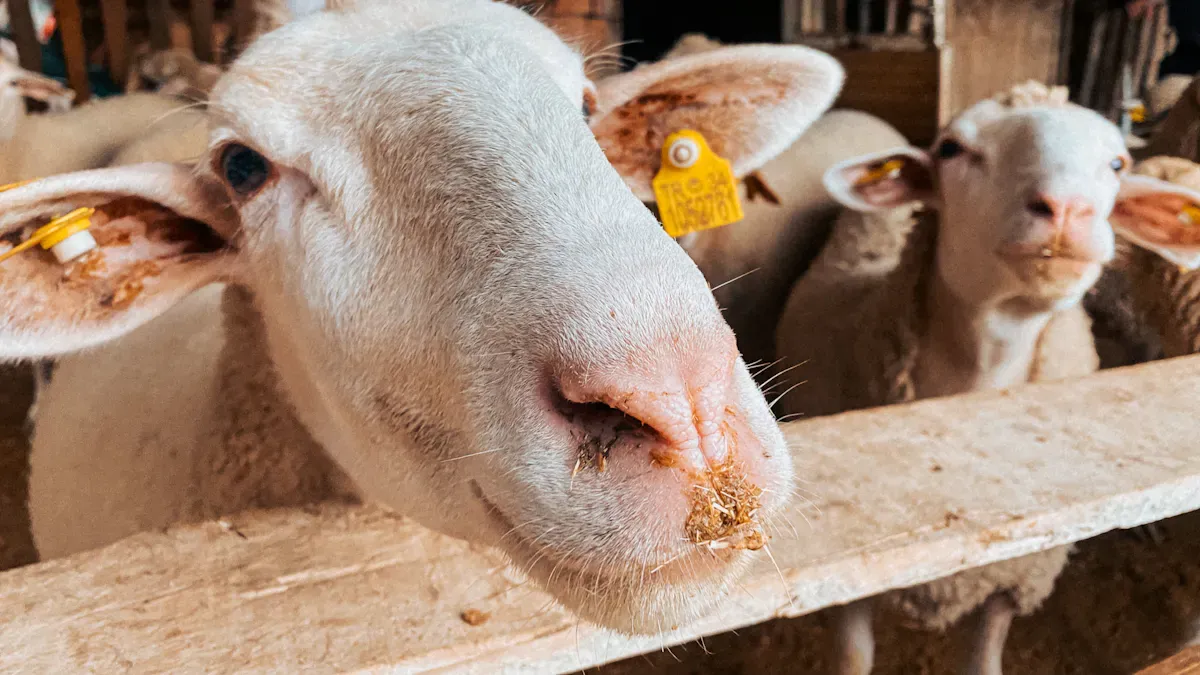
When you look for a good RFID supplier for animal ear tags, you need more than a product. You want technology that changes your farm. Advanced RFID systems let you track animals with special codes. They help you collect correct data for fast choices. You can watch herd health, feeding, and movement as it happens. With IoT integration, you can see birth dates, vaccination records, and weight history all in one place. This method improves animal health, makes farm work easier, and helps you manage better.
Key Takeaways
Pick RFID suppliers that sell strong ear tags made from tough materials like thermoplastic polyurethane (TPU).
Find suppliers that have smart features like real-time monitoring and IoT integration to help you manage your farm better.
Make sure the supplier has important certifications like ISO 9001:2015 and ICAR so you know their products are good and reliable.
Read what other customers say to learn about the supplier’s reputation and how well their products work.
Ask suppliers about their experience and past projects to see if they can meet your needs.
Ask for product samples so you can test them before you buy a lot.
Ask about after-sales support and warranty policies so you can protect your money and get help if you need it.
Compare different suppliers by looking at product quality, price, and support to find the best one for your farm.
Qualities of a Reliable RFID Supplier
Product Quality
When picking an RFID supplier, you want products that work well and last long. Good RFID ear tags use tough materials like thermoplastic polyurethane (TPU). This material can handle bad weather and daily use on the farm. You should also check for smart features. Real-time monitoring, temperature sensors, and motion sensors help you watch animal health and activity. IoT integration lets you get and see data right away, which makes your work easier.
A trustworthy RFID supplier, like SHENZHEN MARKTRACE CO.,LTD., gives you new solutions. Their ZR3658 Biochip Ear Tag uses wireless communication, a precise temperature sensor, and a multi-axis motion sensor. These features give you correct data about your animals. You can make smarter choices and run your farm better.
Here are some key quality standards for RFID animal ear tags:
Quality Standard | Description |
|---|---|
Frequency Selection | Low Frequency (LF) at 125 kHz or 134.2 kHz for steady identification; Ultra High Frequency (UHF) at 860–960 MHz for better efficiency. |
Structure | Made from thermoplastic polyurethane (TPU) for strength, flexibility, and protection from tough conditions. |
Chip Selection | Read-only chips for simple ID; Read-write chips for more data options. |
Devices | Handheld and fixed readers for easy data collection; pick based on how you work. |
Cost Evaluation | Look at all costs including tags, readers, software, and extra expenses. |
Top suppliers use machines to keep product quality steady. Robotic arms and automatic assembly tools help make strong ear tags. Quality control tools, like visual checks, laser marking, and RFID testing, check each tag before it leaves the factory.
Visual checks watch quality as tags are made.
Laser marking makes tag numbers clear and last longer.
RFID testing copies real use to make sure tags work well.
Certifications
Certifications prove an RFID supplier meets world standards. You should always look for these certifications before buying. Two important certifications are ISO 9001:2015 and ICAR.
Certification | Description |
|---|---|
ISO 9001:2015 | A quality management standard that makes sure products and services stay good. |
ICAR | International certification for animal ID products, especially for implantable devices. |
ISO 9001:2015 shows the supplier follows strict rules for quality.
ICAR certification means the products meet global animal ID standards.
These certifications show the supplier uses best methods. They also prove the supplier can handle big jobs and give you reliable products. For example, ICAR-approved RFID tracking microchips meet ISO 11784 and ISO 11785 rules. These chips use top European parts, which help you track animals correctly.
Industry Experience
Experience is important when choosing an RFID supplier. A company with many years in the business knows what farmers and ranchers need. They know how to fix common problems and give useful solutions. Experienced suppliers have worked on big projects and can handle any order size.
You should find a supplier with a good history. Companies like SHENZHEN MARKTRACE CO.,LTD. have given RFID solutions to many farms and government jobs. Their experience means you get products you can trust and expert help. When you work with an experienced supplier, your livestock management gets better.
Tip: Always ask about the supplier’s past projects and what clients say. This helps you know their experience and if they are reliable.
Customer Feedback
Reading what other customers say helps you learn about an RFID supplier. Customer feedback gives real stories from farms and ranches. These stories show if products work well and how suppliers fix problems. Positive reviews mean the supplier cares about quality and service.
Farmers often post their experiences online. They talk about using ear tags and readers. They say if the supplier answers questions fast or helps with issues. You should find feedback about support and product reliability. Good feedback shows the supplier listens and makes things better.
Note: Suppliers who reply to customer concerns earn a good reputation. They show they care about your opinion and want you to do well.
You can use a simple checklist to look at customer feedback:
Checklist Item | What to Look For |
|---|---|
Product Performance | Does the tag work as promised? |
Customer Service | Does the supplier answer questions fast? |
Delivery Time | Are orders shipped on time? |
Problem Solving | Does the supplier fix issues quickly? |
Long-Term Satisfaction | Do customers stay with the supplier? |
In livestock, buyers have many choices. If you are not happy, you can switch suppliers easily. This makes customer feedback very important. Suppliers with good reviews stand out. They build trust and keep a strong reputation.
Always read reviews before you decide. Find suppliers who reply to feedback and make products better. This helps you pick a partner who supports your farm and values your business.
RFID Ear Tag Product Types
Cattle Tags
When you manage cattle, you need ear tags that do more than just identify each animal. High-quality RFID cattle tags give you advanced features that help you track and care for your herd. For example, the ZR3658 Biochip Ear Tag from SHENZHEN MARKTRACE CO.,LTD. uses wireless communication, a high-precision temperature sensor, and a multi-axis motion sensor. You can monitor each cow’s health and movement in real time. This data helps you spot health issues early and make better decisions for your farm.
You can see the difference between high-quality RFID tags and standard tags in the table below:
Feature | High-Quality RFID Tags | Standard RFID Tags |
|---|---|---|
Frequency Selection | Low Frequency (LF) or Ultra High Frequency (UHF) | Typically LF only |
Structural Design | Made from thermoplastic polyurethane (TPU) for durability | Basic materials used |
Chip Selection | Read-write chips with configurable memory | Read-only chips with fixed IDs |
Device Compatibility | Works with advanced reading systems | Limited compatibility |
The ZR3658 tag stands out because it works with the ZR7901P Animal Tracking Reader. This reader can pick up signals from up to 400 meters away. You can track cattle across large pastures without missing important data. These features make your livestock management more efficient and reliable.
Sheep Tags
Sheep need ear tags that are lightweight and comfortable. You want tags that stay on and do not bother the animals. RFID sheep tags help you keep track of each sheep’s health, breeding, and movement. With advanced tags, you can collect data automatically. This saves you time and reduces errors.
MARKTRACE offers RFID tags that use strong materials and smart chips. You can use these tags with handheld or fixed readers. The system lets you check sheep records quickly. You can see which sheep need care or have special needs. This helps you keep your flock healthy and productive.
Tip: Choose sheep tags that are easy to apply and read. This makes your daily work faster and more accurate.
Pig Tags
Pig farming has unique needs. You need ear tags that can handle tough farm conditions. RFID pig tags are electronic devices that attach to each pig’s ear. Each tag has a microchip that stores and sends animal data when scanned.
Here are some key points about RFID pig tags:
You can choose from low frequency, high frequency, or ultra-high frequency tags.
RFID tags help you identify each pig quickly and accurately.
You attach the tag to the pig’s ear for easy tracking.
Each tag holds a unique code for every animal.
RFID readers are important for tracking and managing your pigs.
With the right RFID pig tags, you can monitor health, growth, and movement. This helps you manage your herd better and meet commercial farming needs.
Custom Solutions
You may find that your farm or ranch has unique needs. Standard RFID ear tags might not fit every situation. Custom solutions give you the power to solve special challenges in livestock management. You can ask for tags that match your animal types, farm size, or data needs.
Custom RFID ear tag solutions help you monitor each animal’s health. You can track vaccination records and breeding schedules with ease. Real-time data collection lets you see important information right away. This makes it easier to keep records and trace each animal’s history. You can improve productivity and lower labor costs by using these smart tools.
Note: Custom solutions let you choose the features that matter most to you. You can add sensors, change tag shapes, or pick special materials.
MARKTRACE offers custom RFID ear tags for cattle, sheep, pigs, and other animals. You can work with their team to design tags that fit your farm’s needs. For example, you might want a tag with a high-precision temperature sensor for dairy cows. You might need a motion sensor for tracking animal activity. You can even ask for tags that work with your current software or reading devices.
Here are some ways custom RFID ear tags can help you:
Track animal health and spot problems early.
Keep clear records of vaccinations and treatments.
Manage breeding schedules and monitor animal growth.
Make sure each animal has a unique ID for easy tracing.
Use wireless communication for fast data updates.
You can also request custom readers like the ZR7901P Animal Tracking Reader. This device can read tags from up to 400 meters away. It works well for large farms or open pastures. You can collect data from many animals at once, saving time and effort.
Custom solutions also let you pick the right frequency for your farm. You can choose low frequency for close-range reading or ultra-high frequency for long distances. You can ask for tags that are easy to apply and comfortable for your animals.
Tip: Talk to your supplier about your farm’s challenges. A good supplier will listen and offer ideas that fit your goals.
Custom RFID ear tag solutions give you control over your livestock management. You can make your farm more efficient and keep your animals healthy. With the right partner, you can build a system that grows with your business.
Evaluating RFID Supplier Options
Pricing
When you look at RFID ear tags, check the price for each kind. Prices change if you pick different technology or features. LF passive tags usually cost less than UHF tags. Handheld readers and fixed readers also have different prices. Here is a table that shows the usual price range:
Type | Price Range |
|---|---|
LF Passive Tags | $1–$3 per unit |
UHF Passive Tags | $2–$5 per unit |
Handheld Readers | Starting around $200 |
Fixed-position Readers | $500–$1,500 |
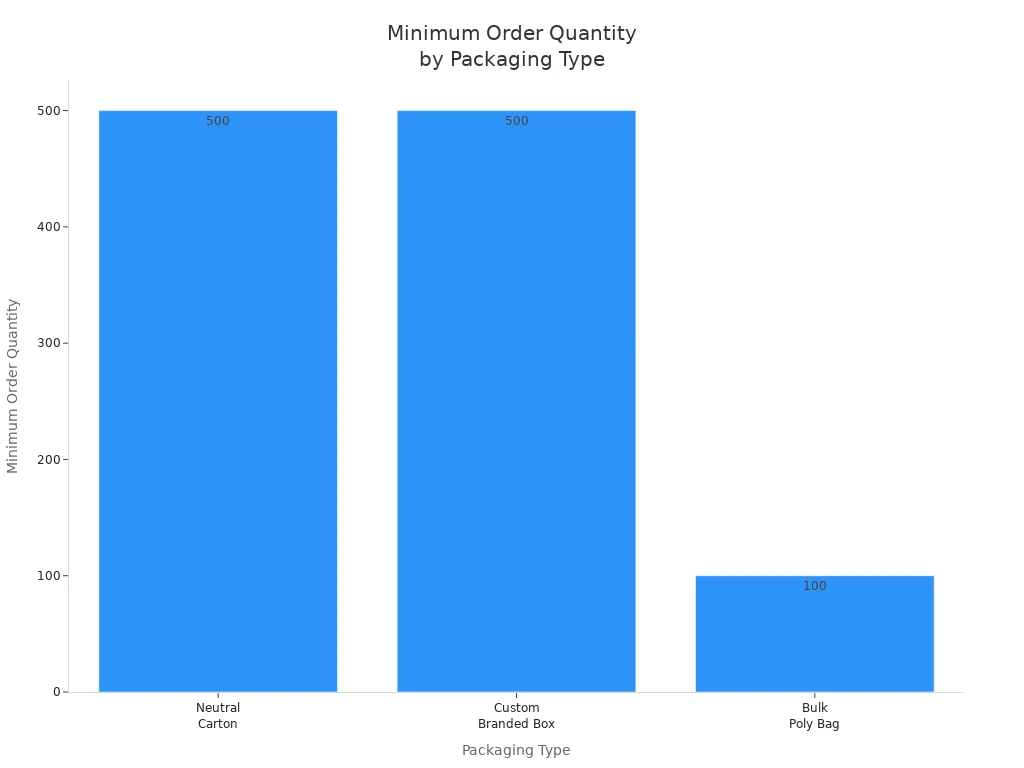
You can save money if you buy a lot at once. Many suppliers give discounts for big orders. The way tags are packed changes how many you must buy. Look at the table below for common packaging choices:
Packaging Type | Description | Minimum Order Quantity |
|---|---|---|
Neutral Carton | Plain box, no branding | 500 pieces |
Custom Branded Box | Your logo and artwork on the box | 500 pieces |
Bulk Poly Bag | Simple poly bag for high-volume shipments | 100 pieces |
The price depends on quality and how many you buy.
You pay less for each tag when you order more.
Manufacturers often have lower prices than trading companies.
It is important to have good quality checks for big orders. This makes sure you get strong tags every time.
Delivery
You want your RFID ear tags to get to you on time. How long it takes depends on where you live and how far the tags must travel. Most suppliers tell you when to expect your order after they ship it. Here is a table that shows normal delivery times:
Delivery Type | Estimated Time |
|---|---|
Metro Delivery | 3-5 business days |
Regional Delivery | 7-10 business days |
Remote Delivery | 14-20 business days |
After the tags are made, shipping takes about five to seven days. If you live in a city, your order may come faster. If you live far away, it might take longer. RFID technology helps big farms track their shipments and plan better. You can see where your order is from the factory to your farm.
RFID systems help you watch animals in real time.
RFID access doors help control animal movement and deliveries.
Data from RFID tags helps you track animals from birth to sale.
After-Sales Support
Good after-sales support helps you fix problems fast. Pick a supplier who answers your questions and helps you use the products. Many suppliers help with setup, training, and fixing problems. They may give you guides or videos to show how to use the tags and readers.
Tip: Always ask about after-sales support before you buy. A good supplier will give quick help and clear answers.
You can contact support if you have trouble with your RFID system. Some suppliers have teams ready to help by phone, email, or chat. Good support makes it easier to use new tools on your farm. You can solve problems faster and keep your animals safe.
Warranty
When you buy RFID ear tags, you want to know your investment is safe. A good warranty gives you peace of mind. It shows that the supplier trusts their products. You should always check the warranty before you make a purchase.
A warranty covers you if something goes wrong with your RFID ear tags or readers. It means the supplier will repair or replace faulty items. This helps you avoid extra costs and keeps your farm running smoothly.
Tip: Always ask your supplier for a written warranty policy. Do not rely on verbal promises.
Why Warranty Matters
You protect your money. If a tag stops working, you do not pay for a new one.
You get support from the supplier. They help you fix problems fast.
You know the supplier cares about quality. A long warranty means they trust their products.
What to Look for in a Warranty
Not all warranties are the same. You should read the details carefully. Here are some key points to check:
Warranty Feature | What It Means |
|---|---|
Warranty Period | How long the warranty lasts (e.g., 1 year, 2 years) |
Coverage | What parts or products the warranty includes |
Exclusions | What the warranty does not cover |
Claim Process | How you report a problem and get help |
Replacement Policy | If you get a new product or a repair |
You should choose a supplier who offers a clear and fair warranty. For example, SHENZHEN MARKTRACE CO.,LTD. provides a warranty for their RFID ear tags and readers. This shows they stand behind their products.
How to Use Your Warranty
If you have a problem, follow these steps:
Check your warranty card or document.
Contact the supplier’s support team.
Describe the problem and provide proof of purchase.
Follow the instructions for returning or replacing the item.
Note: Keep your purchase records and warranty documents in a safe place. You will need them if you make a claim.
Warranty Checklist
Use this checklist to compare supplier warranties:
Is the warranty period at least one year?
Does it cover both tags and readers?
Are there clear instructions for making a claim?
Does the supplier offer fast replacements?
Are there any hidden exclusions?
A strong warranty protects your farm and your budget. It also shows you can trust the supplier. Always review the warranty before you buy. This step helps you avoid surprises and keeps your livestock management on track.
Comparing RFID Suppliers
Choosing the right RFID supplier takes careful steps. You want to make sure you get the best products and support for your farm. Here are three important ways to compare suppliers before you make your final choice.
Online Research
Start by searching for suppliers online. Look at their websites and read about their products. Check if they offer advanced features like real-time monitoring and IoT integration. Read customer reviews on trusted sites. These reviews tell you if other farmers trust the supplier and if the products work well. You can also find ratings and feedback on social media or farming forums. Make a list of suppliers who have good reputations and clear information about their products.
Tip: Look for suppliers who share technical details and case studies. This shows they have experience and want to help you succeed.
Direct Inquiry
After you find some good options, contact each supplier directly. Ask questions to learn more about their products and services. You want to see if they understand your needs and can offer the right solution. Here are some key questions to ask:
What RFID solutions fit my farm’s needs?
What is the total cost, including tags, readers, and software?
What kind of warranty and technical support do you offer?
Can you send product samples for testing?
Clear answers help you compare suppliers. You can also ask for technical documents, like user manuals or product datasheets. Good suppliers respond quickly and give you helpful information. This shows they care about your business.
Sample Orders
Before you make a big purchase, ask for sample products. Testing samples on your farm helps you see if the tags and readers work as promised. You can check if the tags are easy to use and if the data is accurate. Try the products in different weather and with different animals. This step helps you avoid problems later.
You should also test the supplier’s communication. Notice how fast they reply to your questions and how they handle your requests. Good communication means you will get better support in the future.
Step | What to Do |
|---|---|
Online Research | Check websites, reviews, and product details |
Direct Inquiry | Ask questions and request technical documents |
Sample Orders | Test products and evaluate supplier response |
Note: Comparing suppliers takes time, but it helps you make a smart choice. You want a partner who supports your farm and helps you grow.
Ensuring Product Quality & Support
Sample Verification
It is smart to test RFID ear tags before buying many. Sample verification lets you check if the products work well. You can ask your supplier for a few sample tags and readers. Try the samples on your animals to see if they stay on. Check if the readers can get data from the tags fast. Test the tags in different weather and on your farm. This helps you know if the products are right for you.
You should also see if the tags work with your current systems. Scan the tags using your readers. Make sure the data shows up right on your computer or phone. If you find any problems, tell your supplier quickly. Good suppliers want you to feel sure before you buy more.
Tip: Write down how the samples work. Share your notes with the supplier. This helps them make their products and service better.
Technical Support
You need good technical support when using RFID on your farm. Good suppliers help you set up and use your devices. They answer your questions and fix problems fast. You can get help with many parts of your RFID system.
Suppliers help you know where to put antennas and how to attach tags.
They tell you how to connect new tags to your software.
You can get help for small farms or big farms.
Many suppliers give remote help. You can call or message if you have trouble.
Some suppliers watch your devices and send updates to keep them working.
Here is a table that shows common technical support services:
Service Type | Description |
|---|---|
Device Setup & Configuration | Setup of RFID readers, antennas, printers, tags, and mobile computers, pre-configured and tested for deployment. |
Remote Technical Support | Technical team available for remote troubleshooting to resolve issues quickly. |
Total Device Support | Monitoring, updating, and securing edge devices across locations through Mobile Device Management. |
RMA & Repair Services | Coordination of return merchandise authorization (RMA) processes and repairs with manufacturers. |
You can ask your supplier for guides, videos, or simple steps. Good technical support makes using your RFID system easier.
Return Policies
You need to know what happens if a product does not work. A clear return policy keeps you and your money safe. Before you buy, ask your supplier about their return rules. Find out how long you have to return a product. Ask if you must pay for shipping or if the supplier pays.
Most suppliers use a process called Return Merchandise Authorization (RMA). This helps you send back broken products and get new ones or repairs. Keep your receipts and warranty cards. These papers make returns easier.
Note: Always read the return policy before you order. A good supplier explains the steps and helps you fix problems fast.
A strong return policy means the supplier cares about your happiness. You can trust suppliers who stand by their products and give fair answers.
Avoiding Common Pitfalls
When you pick an RFID supplier for animal ear tags, you should try to avoid mistakes. Knowing what to look for helps you keep your money safe and your farm working well.
Spotting Red Flags
You need to watch for warning signs before buying from a supplier. Some suppliers might not be honest or may not give what they promise. Here are some red flags you should notice:
The supplier does not share clear product info or technical details.
You cannot find real customer reviews or case studies online.
The company avoids your questions or gives unclear answers.
Prices are much lower than others without a good reason.
The supplier does not offer a warranty or return policy.
Tip: Trust your feelings. If something seems wrong, take more time to check the supplier’s history.
A reliable supplier will answer your questions and show proof of their experience. You can ask for certifications, product samples, and references from other customers.
Counterfeit Risks
Fake RFID tags and readers can cause big trouble on your farm. Counterfeit products may look real, but they often break fast or do not work at all. You could lose important data or have problems tracking your animals.
To avoid counterfeit risks:
Buy only from trusted suppliers with a good reputation.
Check for official certifications like ISO 9001:2015 or ICAR.
Ask for product serial numbers and check them with the maker.
Look at packaging for signs of tampering or bad quality.
Request documents, such as datasheets and warranty cards.
What to Check | Why It Matters |
|---|---|
Certifications | Shows product is real |
Serial Numbers | Confirms genuine products |
Packaging Quality | Finds tampering or fakes |
Documentation | Makes sure you can trace items |
Note: Counterfeit products can cost you more later. Always check before you buy.
Communication Issues
Good communication with your RFID supplier is very important. Bad communication can cause many problems. For example, if you do not get clear instructions, you might install antennas wrong. This can cause poor electrical contact and tags may not work right. Sometimes, defects mean some tags work well but others fail. Antennas can wear out over time, which lowers the range and reliability.
Many farms say RFID projects fail because of poor planning and miscommunication, not the technology. You might see lower read accuracy after setup. Sometimes, the data in your records does not match what you see in the field. These problems often come from misunderstandings between you and your supplier.
RFID systems can also have trouble in busy areas. If too many tags or readers work at once, you might get wrong data or miss some animals. This can lead to wrong inventory counts and frustration.
Tip: Always keep clear records of your talks with suppliers. Ask for written guides and support. Good communication helps you fix problems fast and keeps your farm running well.
Making Your Final Choice
Supplier Comparison
You have learned how to check products, read reviews, and test samples. Now, you need to compare your top choices. Make a simple table to see the strengths and weaknesses of each supplier. Look at price, product features, support, and delivery time. This helps you see which supplier fits your farm best.
Criteria | Supplier A | Supplier B | Supplier C |
|---|---|---|---|
Product Quality | |||
Price | |||
Delivery Time | |||
Support | |||
Warranty |
You can fill in this table with your notes. This makes your decision clear and easy.
Tip: Trust your research. Choose the supplier that meets your needs, not just the lowest price.
Negotiation
You can talk with your chosen supplier about price and terms. Ask if you can get a discount for a large order. Check if they offer free shipping or extra support. You should also ask about payment options. Some suppliers let you pay in parts.
Here are some points to discuss:
Bulk order discounts
Free or reduced shipping
Flexible payment plans
Extra training or support
You do not have to accept the first offer. Good suppliers want your business and may agree to better terms.
Long-Term Partnership
You want more than just a one-time deal. A strong partnership with your RFID supplier helps your farm grow. Choose a supplier who listens to your feedback and helps you solve problems. They should offer new products and updates as technology changes.
Building a long-term relationship gives you many benefits:
Faster help when you need support
Early access to new products
Better prices for loyal customers
Advice on using new technology
Note: Stay in touch with your supplier. Share your needs and ask for advice. This helps both you and your supplier succeed.
You can make a smart choice by comparing, negotiating, and building a partnership. This will help you manage your livestock with confidence.
You can pick the best RFID supplier if you follow easy steps. Look at how good the products are and check for certifications. Read what other customers say about the supplier. New technology and good support make it easier to care for your animals. Use the checklist in this guide to help you choose well. Begin looking now and feel sure about managing your livestock.
FAQ
What is an RFID ear tag?
An RFID ear tag is a small device you attach to an animal’s ear. It uses radio waves to store and send information. You can track and identify each animal easily.
How do RFID ear tags help with livestock management?
RFID ear tags let you collect data about each animal. You can track health, movement, and location. This helps you make better decisions and keep your animals healthy.
Can I use RFID ear tags for different animals?
Yes, you can use RFID ear tags for cattle, sheep, pigs, and other livestock. You should choose the right tag size and type for each animal.
How long do RFID ear tags last?
Most RFID ear tags last several years. They use strong materials that resist weather and daily use. You should check tags often to make sure they stay in place.
What equipment do I need to read RFID ear tags?
You need an RFID reader. You can use handheld or fixed readers. Some readers work from long distances. Choose a reader that fits your farm’s needs.
Are RFID ear tags safe for animals?
Yes, RFID ear tags are safe. They use non-toxic materials and do not harm animals. You should attach them correctly to avoid discomfort.
How do I order RFID ear tags from a supplier?
You can contact the supplier directly. Ask for product details, pricing, and samples. Place your order after you check the quality and support.
What should I do if an RFID ear tag stops working?
Check the tag and reader first. If the tag still does not work, contact your supplier. Use your warranty or return policy for help.
- Next>:Suggest a company that manufactures long distance RFID animal ear tags

 2026-07-06
 Blogs
Blogs