Help me find a flowmeter supplier with calibration capability
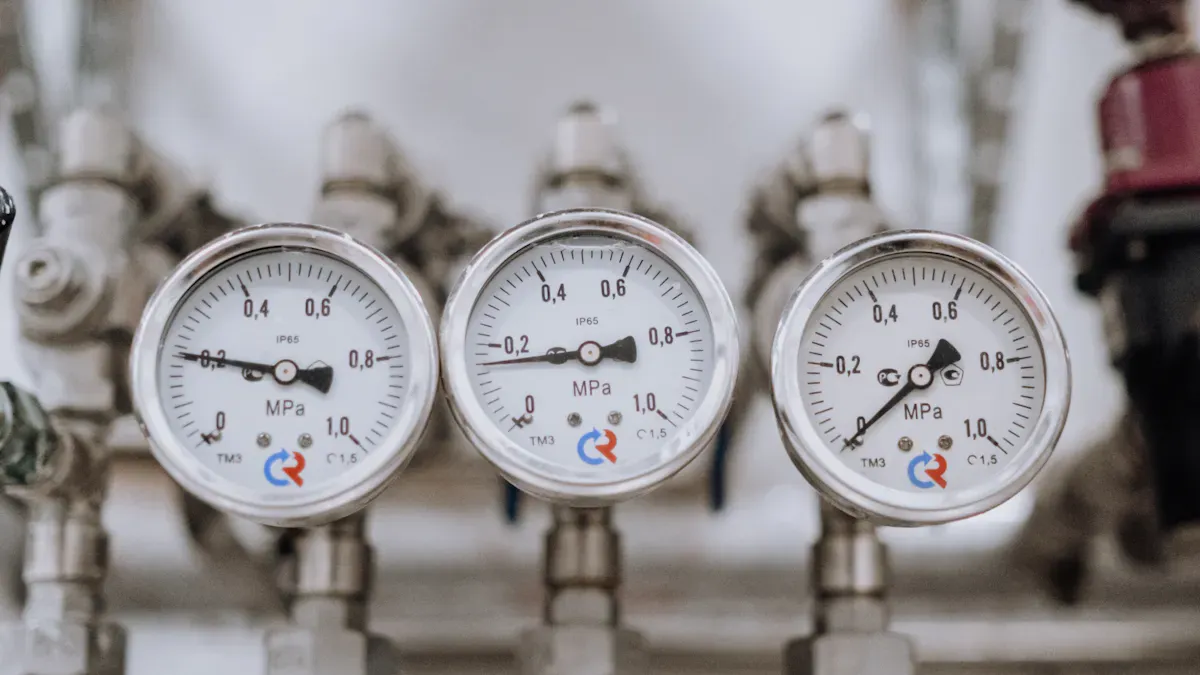
You can easily find a flowmeter supplier with calibration ability for professional animal tracking. Calibration is very important as it helps your RFID systems provide correct and fast data. This step enhances the system's accuracy and sensitivity, reducing mistakes and ensuring true results for pet tech tools like the MarktraceRFID ZR3658 Biochip Ear Tag. When selecting a supplier, consider how new their products are and the level of trust they have among users.
Key Takeaways
Calibration is very important for getting correct data in animal tracking systems.
Pick a flowmeter that works with your device’s sensors and how it sends data.
Calibrating often helps your flowmeters give good real-time data.
Find suppliers with ISO and OIML certificates to make sure they are good quality.
Use online lists and trade shows to find good flowmeter suppliers.
Ask suppliers how they do calibration and what papers they give before you buy.
Read customer reviews to see if the supplier is trustworthy and helpful.
Keep all calibration papers safe so you can follow rules and check them later.
Define Flowmeter Needs for Professional Animal Tracking
Flowmeter Types for Animal Tracking Devices
Common Technologies
You have to pick the best flowmeter for your animal tracking device. Companies use ultrasonic, electromagnetic, and thermal mass flowmeters. Each one has special advantages. Ultrasonic flowmeters use sound waves to measure flow. Electromagnetic flowmeters use magnets to track how fluids move. Thermal mass flowmeters check temperature changes to find flow rates. These tools help you get correct results for products like the MarktraceRFID ZR3658 Biochip Ear Tag.
Tip: Make sure the flowmeter works with your device’s sensors and communication parts.
Application Fit
You need to choose a flowmeter that fits your job. If you watch temperature and movement in animals, pick a flowmeter that works with wireless and IoT systems. The ZR3658 Biochip Ear Tag needs fast and steady data, so use a flowmeter that sends data quickly and well. Think about where you will use the device. For farms outside, pick flowmeters that can handle dust, water, and heat changes.
Calibration Standards for Real-Time Data
Industry Compliance
You must follow rules when you calibrate flowmeters for animal tracking. Calibration makes sure your devices are accurate and meet standards from groups like ISO and OIML. These rules help keep your data correct and help customers trust your product. Suppliers who calibrate can give you papers that show they follow the rules. Ask for these papers before you buy.
Standard | Description | Benefit |
|---|---|---|
ISO | International accuracy guidelines | Reliable data |
OIML | Legal metrology standards | Compliance assurance |
Frequency Requirements
You need to know how often to calibrate your flowmeters. Regular calibration keeps your devices working right. For animal tracking, follow a plan based on how much you use the device and the environment. Calibrating often is important for products that give real-time data, like the ZR3658 Biochip Ear Tag. You can ask suppliers how often and how they calibrate to keep your devices correct.
Note: Calibration helps real-time data stay correct. It stops mistakes and keeps your animal tracking at a high level.
Where to Find Flowmeter Suppliers
Online Directories and B2B Platforms
Top Marketplaces
You can look for flowmeter suppliers on big websites. These sites let you find many companies from all over the world. Here are some good places to start:
Alibaba: You can search for many flowmeter suppliers. Use filters to pick ones that offer calibration.
Made-in-China: This site shows verified suppliers. You can check their profiles and see certifications.
Global Sources: You can find suppliers who sell industrial and technical products.
Tip: Always read supplier ratings and reviews first. High ratings usually mean good service and reliable calibration.
Specialized Listings
You can use special directories for technical suppliers. These sites focus on companies for animal tracking and IoT devices.
Thomasnet: This directory lists North American suppliers. You can search for flowmeter companies with calibration.
DirectIndustry: You can see product details and contact suppliers. Many listings show calibration options.
Engineering360: This platform lets you compare features and calibration services.
Directory | Region | Focus Area |
|---|---|---|
Thomasnet | North America | Industrial supply |
DirectIndustry | Global | Engineering |
Engineering360 | Global | Technical specs |
Trade Shows and Industry Networks
Key Events
You can meet flowmeter suppliers at trade shows. These events let you see products and ask questions in person.
Hannover Messe: This event in Germany shows industrial technology. Many flowmeter brands are there.
Sensors Expo & Conference: You can find suppliers for sensors and calibration.
World Dairy Expo: This show is for animal tracking and livestock. You can meet suppliers who know your industry.
Note: Bring questions about calibration and support. This helps you compare suppliers fast.
Professional Associations
You can join industry groups to meet more suppliers. Associations share lists and host events.
ISA (International Society of Automation): You get technical resources and supplier contacts.
OIML (International Organization of Legal Metrology): This group sets calibration standards and connects you with certified suppliers.
ASABE (American Society of Agricultural and Biological Engineers): You find contacts in animal tracking and agricultural tech.
You can use these resources to find suppliers who fit your needs. This helps you build strong partnerships for animal tracking projects.
Evaluating Calibration Capability for Real-Time Performance
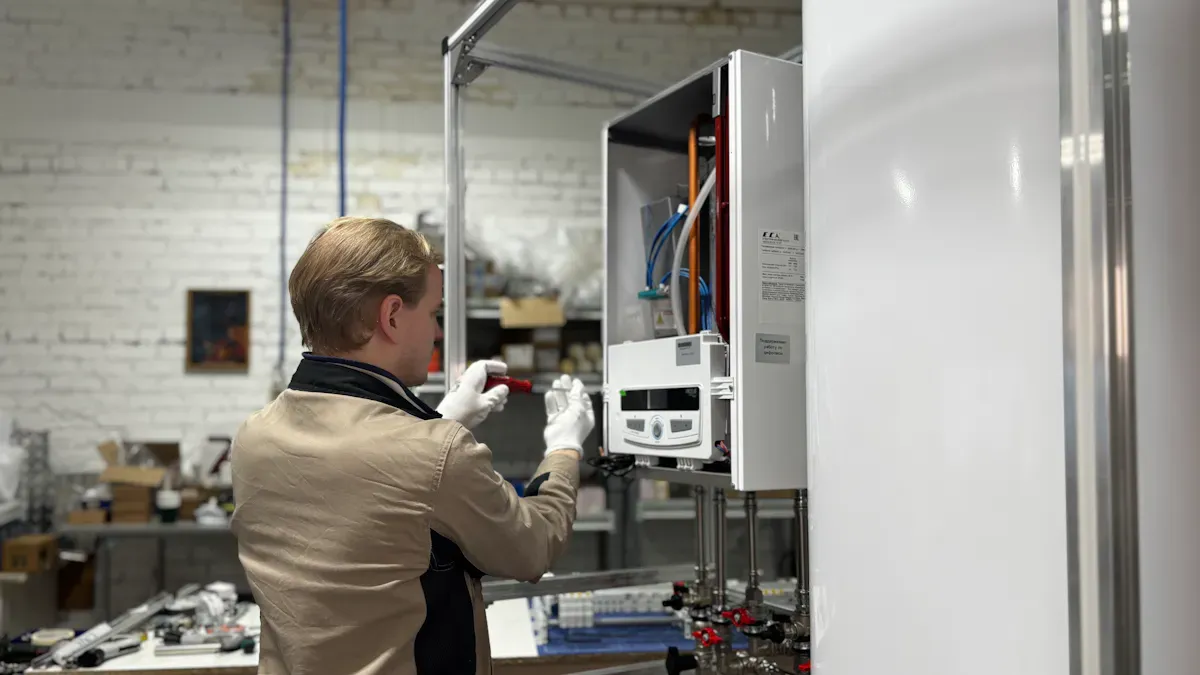
You must check if your flowmeter supplier can do good calibration. Accurate calibration is needed for animal tracking. Real-time data is important for safety and tracking animals. When you look at suppliers, check their calibration steps. Ask what tools they use and what papers they give you. Top brands like MarktraceRFID and GAO RFID have high calibration standards. They care about making sure their devices work well. This helps with real-time tracking and geofencing.
Key Questions for Suppliers
Calibration Scope
Ask your supplier what their calibration includes. You need to know if they check all flow rates your device uses. Make sure they test both slow and fast flows. This keeps your data right when animals move in different ways. For animal tracking, calibration should match real-life use. Suppliers should say how their calibration helps with safety and real-time work.
Does the calibration check all flow rates?
Will the calibration help with real-time data?
Can the supplier calibrate for different places and weather?
Equipment and Methods
Ask what tools and methods the supplier uses for calibration. Good suppliers use special tools to check accuracy and sensitivity. They compare their results with other systems. This makes sure your animal tracking devices, like MarktraceRFID, give correct results.
What calibration tools do you use?
How do you check accuracy and sensitivity?
Do you compare your results with other systems?
How do you make sure your calibration is correct?
Tip: Suppliers who use standard methods help keep your data safe and correct.
Certifications and Documentation
ISO and Industry Certs
Always ask for certificates. Suppliers who follow ISO and OIML rules care about quality. These papers show their calibration meets world standards. Brands like GAO RFID and MarktraceRFID use these rules. This builds trust and keeps their products safe.
Certification | What It Proves | Why It Matters |
|---|---|---|
ISO | International accuracy | Reliable real-time data |
OIML | Legal metrology compliance | Safety and trust |
Traceability Records
Ask for papers that show calibration steps. This helps you see every part of the process. Good suppliers give you important documents:
Datasheets
Proof of nominal K-factor (for turbine meters)
Electrode and liner type (for electromagnetic meters)
Factory zero value
These papers help you check if your flowmeter works for animal tracking and geofencing. They also help with safety and make fixing problems easier.
Note: Always keep your calibration papers. They help you show you follow the rules and keep high standards for animal tracking.
Shortlisting and Contacting the Best Suppliers
Making a List for Animal Tracking
Product and Calibration Match
You need to make a list of suppliers who fit your needs. Group them by what they are good at and how they serve customers. This makes it easier to compare and pick the best one for your animal tracking tools.
Tier | Description | Key Characteristics |
|---|---|---|
International Technology Leaders | They do lots of research, have global teams, cost more, and take longer to deliver. | |
Tier 2 | High-Value Chinese Manufacturers | They are cheaper, know technology, deliver faster, and keep quality steady. |
Tier 3 | Regional & Niche Specialists | They focus on certain places or jobs and usually have lower prices. |
Match what each supplier can do with what your product needs. If you use advanced devices like the MarktraceRFID ZR3658 Biochip Ear Tag, pick suppliers who can do real-time calibration and work with IoT. Always check if their calibration fits your device.
Supplier Reputation
A supplier’s reputation is very important. Good suppliers help you avoid problems and delays. You can look at different things to judge them:
Factor | Description |
|---|---|
Makes sure products are safe and meet rules with tests and certificates. | |
Reliability and Consistency | Shows they deliver on time and keep quality high. |
Competitive Pricing and Payment Terms | Balances price and quality, and offers good payment options. |
Ethical and Sustainable Practices | Shows they care about the environment and animal welfare. |
Innovation and Product Range | Means they offer new and different products. |
Location and Logistics | Looks at where they are and how fast they can ship. |
Proven Reputation and References | Checks what other customers say and if they are known in the industry. |
Regulatory Knowledge | Makes sure they know the rules for pet products. |
Technological Integration | Uses modern tools for easy ordering and tracking. |
After-Sales Support | Gives good help after you buy and has clear return rules. |
Tip: Always read customer reviews and check references. This helps you see if the supplier is good.
Talking to Suppliers
Inquiry Templates
When you talk to suppliers, use a clear message. This helps you get the right answers about calibration. Ask about their calibration ways, rules they follow, and costs. Here is a table to help you compare calibration ways:
Parameter | Gravimetric (Weighing) | Volumetric (Tank) | Master-Meter (Transfer) |
|---|---|---|---|
Principle | Uses a weigh tank and mass flow | Uses a set volume tank | Uses a reference meter in line |
Reference Uncertainty | ±0.02–0.05 % | ±0.05–0.2 % | ±0.15–0.5 % |
Typical Location | In a special lab | In a lab or at your site | In the field, in-line or bypass |
Best Suited For | Custody-transfer, Coriolis | Water, wastewater, medium jobs | Big pipes, far sites, gas |
Fluid Types | Liquids | Liquids | Liquids and gases |
Downtime Required | Days to weeks | 4–8 hours | 1–4 hours |
$300–$600 plus shipping | $500–$1,500 | $700–$2,000 | |
Standards | ISO 4185, OIML R 105 | ISO 8316, API MPMS Ch 4 | ISO 11631, API MPMS Ch 4.5 |
Note: Ask for calibration papers and check how long and how much each way costs.
Technical Clarifications
You should ask about technical things before you choose. Ask if the supplier has worked with animal tracking and IoT before. Make sure their calibration matches your device. Ask for sample papers and documents. This helps you get the best match for your project.
Ask how often they calibrate and if you can track it.
Make sure they follow ISO and OIML rules.
Ask for names of other animal tracking customers.
If you do these things, you can pick a supplier who helps you get good, real-time animal tracking.
Final Checks Before Purchase
Verifying Calibration and After-Sales Support
Calibration Traceability
You need to make sure calibration traceability is checked before buying. Calibration traceability means you can see every step for each flowmeter. Ask suppliers for calibration certificates and detailed records. These papers show the supplier follows the rules. You can use a table to help check what you need:
Item | Why It Matters | What to Request |
|---|---|---|
Calibration Certificate | Proves accuracy | Ask for official copies |
Traceability Log | Shows calibration history | Request full records |
Compliance Statement | Confirms industry standards | Get ISO or OIML proof |
Tip: Keep all calibration records safe. You will need them for checks and audits.
Support Services
You must check if the supplier gives good after-sales support. Good support helps you fix problems quickly. Ask if the supplier offers technical help, training, and repair. Use a checklist to compare support choices:
Technical support for advanced activity tracking devices
Training for calibration and maintenance
Fast repair and replacement services
Online resources and manuals
Pick suppliers who answer fast and give clear help. Good support keeps your activity tracking systems working well.
Customer Feedback and Market Standards
Reviews and Testimonials
You should read reviews and testimonials before you decide. Reviews from other buyers show how the supplier handles calibration and tracking. You can find feedback on B2B sites, forums, and supplier pages. Look for comments about data accuracy, support, and product quality. Here is a sample testimonial in a block quote:
“Our advanced activity tracking system got better after we switched to this supplier. Calibration was simple, and support was quick. We suggest them for pet trackers and gps dog collars.�
Trust suppliers with good reviews and strong results in activity tracking.
Comparing with Best Pet Trackers and GPS Dog Collars
You need to compare your supplier with top brands in pet trackers and gps dog collars. Compare real-time performance, calibration, and support. Use a table to organize your comparison:
Feature | Your Supplier | Leading Brands |
|---|---|---|
Real-time Data Accuracy | High | High |
Calibration Traceability | Complete | Complete |
Support Services | Reliable | Reliable |
Advanced Activity Tracking | Yes | Yes |
Check case studies and feedback from brands known for activity tracking. This helps you see if your supplier meets the top standards.
Note: Benchmarking helps you stay ahead and makes sure your tracking devices work their best.
You now know how to find a flowmeter supplier with calibration. This helps your animal tracking devices work well. Picking the right supplier makes your product more accurate. It also makes your product more reliable. You get a better chance in the gps dog collars market. Start now to join the top gps dog collars brands. Calibration helps real-time data stay correct. This is very important for gps dog collars. If you care about quality, you can compete with the best gps dog collars. Keep calibration first for all gps dog collars to stay ahead.
FAQ
What is the role of flowmeter calibration in location tracking?
Calibration helps your device track locations correctly. It keeps location data steady for animal monitoring. This process stops mistakes and keeps real-time data accurate.
How often should you calibrate flowmeters for location accuracy?
You need to calibrate flowmeters often. Doing this makes location tracking better and more reliable. Experts say you should check accuracy every six months for best results.
Which flowmeter type offers the best accuracy for animal location tracking?
Ultrasonic flowmeters give the best accuracy for tracking animals. You can use them in advanced devices for great location results. These flowmeters work well with wireless systems and real-time tracking.
Why does location accuracy matter in animal tracking?
Location accuracy lets you watch animals closely. You can make smarter choices with good tracking data. High accuracy lowers mistakes and helps livestock stay healthy.
How do suppliers prove their calibration improves location tracking?
Suppliers give calibration certificates and traceability logs. These papers show better location accuracy and tracking. You can check these records to see if calibration is good.
Can you improve location accuracy with after-sales support?
After-sales support helps keep location accuracy high. You get technical help and training for tracking devices. This support makes sure your device stays accurate and reliable.
What certifications should you check for accuracy in location tracking?
Look for ISO and OIML certifications. These standards promise accuracy in animal tracking. Certified suppliers give reliable tracking and keep high accuracy.
How does calibration affect real-time location tracking?
Calibration makes real-time location tracking better. You get more accurate data and faster responses. This process keeps your tracking steady and dependable.
- Next>:Recommend a supplier of animal ear tags with RFID tracking capability

 2026-08-03
 Blogs
Blogs