
Livestock RFID ear tag manufacturer
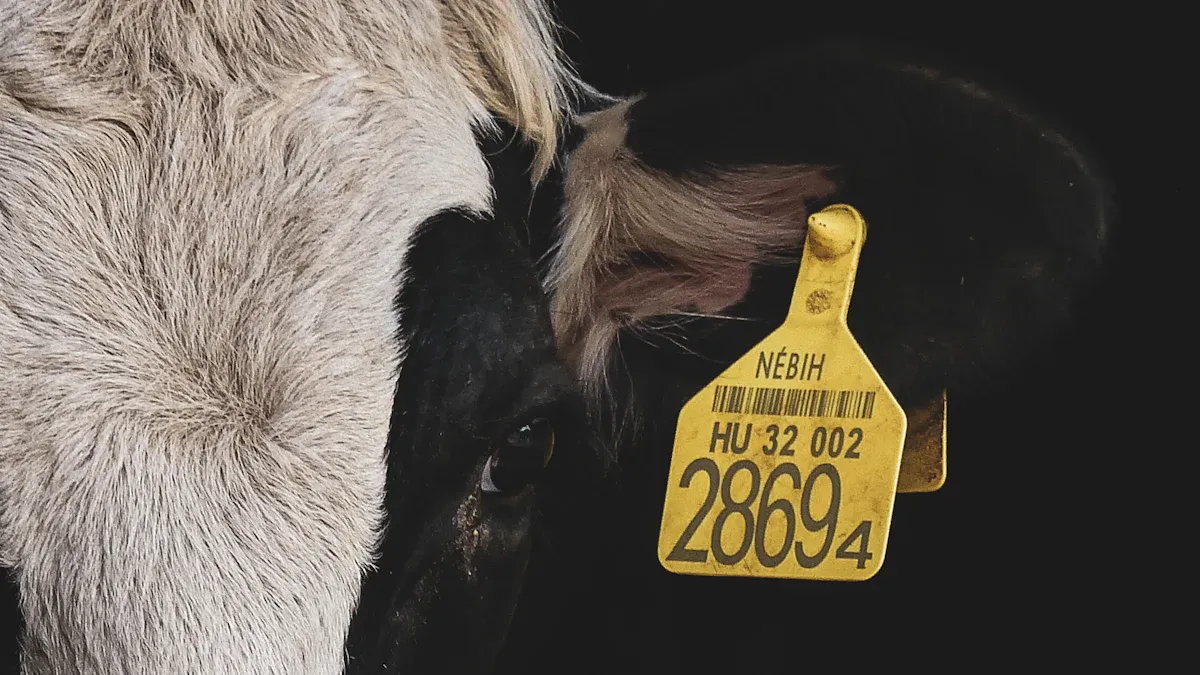
You see livestock management changing with technology. RFID ear tag manufacturers help farmers track animals easily. The global market for these tags keeps growing.
Year | Market Size (USD Million) | Growth Rate (%) |
|---|---|---|
2024 | N/A | |
2025 | 224.01 | 4.2 |
2034 | 324.4 | N/A |
Over the last decade, livestock RFID systems became common. You now find ear tags on cattle and swine, neck collars for dairy cows, and leg bands for poultry. Brands like MarktraceRFID lead with new products that monitor animal health and movement.
Key Takeaways
RFID ear tags simplify livestock management by allowing farmers to track animals quickly and accurately.
Advanced RFID tags, like the MarktraceRFID ZR3658, provide real-time health monitoring, helping farmers respond to issues promptly.
Choosing a reliable manufacturer ensures you get durable, high-quality tags that integrate well with existing farm systems.
Using RFID technology reduces human error and labor costs, making herd management more efficient and effective.
Compliance with regulations is easier with RFID systems, as they automate data collection and reporting for animal identification.
Livestock RFID Technology
What is Livestock RFID?
You use Livestock RFID to identify and track animals on your farm. This technology uses radio-frequency identification to store and send animal data. Unlike old methods that rely on visual tags or brands, Livestock RFID lets you scan animals quickly and accurately. You do not need to keep animals still or close by for a long time. This system helps you manage herds, keep records, and improve efficiency.
Tip: Electronic identification (EID) tags are another name for RFID tags. They make herd management much easier and faster than traditional methods.
How RFID Ear Tags Work
RFID ear tags have small chips inside. When your animal comes near an RFID reader, the reader sends out a radio signal. This signal activates the chip in the ear tag. The chip then sends back the animal’s unique identification number to the reader. The reader can send this information to your computer or phone. You can track animals from a distance, which saves you time and effort.
RFID tags work without needing a direct line of sight.
You can scan animals even when they move.
The system stores detailed records for each animal, not just a simple ID.
Here is a table showing the main parts of livestock RFID ear tags:
Feature | Description |
|---|---|
Transponder Types | E-Unit Disc and E-Unit Rod transponders fit inside ear tags. |
Customization | You can choose size, chip, and protocol (FDX and HDX) for different needs. |
Quality Assurance | Automated manufacturing and direct-bonding make tags reliable. |
Compliance | Tags meet ISO 11784 and 11785 standards and come in many shapes. |
Durability | Tags resist tough farm conditions and mechanical stress. |
The ZR3658 Biochip Ear Tag from MarktraceRFID shows how advanced this technology can be. This tag tracks temperature and movement, sending real-time data to your devices. You get instant updates on animal health and activity, which helps you make better decisions.
Types of RFID Ear Tags
You can choose from several types of RFID ear tags. Each type fits different farm needs and environments.
Tag Type | Frequency | Best Use | Read Range |
|---|---|---|---|
LF (Low Frequency) | 125kHz | Cattle, pigs, basic tracking | Short (up to 10 cm) |
HF (High Frequency) | 13.56MHz | Animal passports, vet records | Medium (up to 30 cm) |
UHF (Ultra High Frequency) | 860–960MHz | Large farms, long-range readers | Long (up to 10m) |
Low-Frequency (LF) tags work well for close-up scanning. They are reliable in tough farm conditions.
High-Frequency (HF) tags help with animal passports and vet records.
Ultra High Frequency (UHF) tags let you scan animals from farther away. These are good for large farms but can be affected by water or metal.
Some active tags include sensors for GPS and health tracking.
You can find RFID ear tags in different shapes and sizes. Some tags, like the MarktraceRFID ZR3658, offer extra features such as temperature and motion sensors. These advanced tags help you monitor animal health and activity in real time.
Livestock RFID technology gives you a powerful tool for managing your animals. You can track, identify, and care for your herd with greater accuracy and less effort.
Livestock RFID Benefits
Identification and Traceability
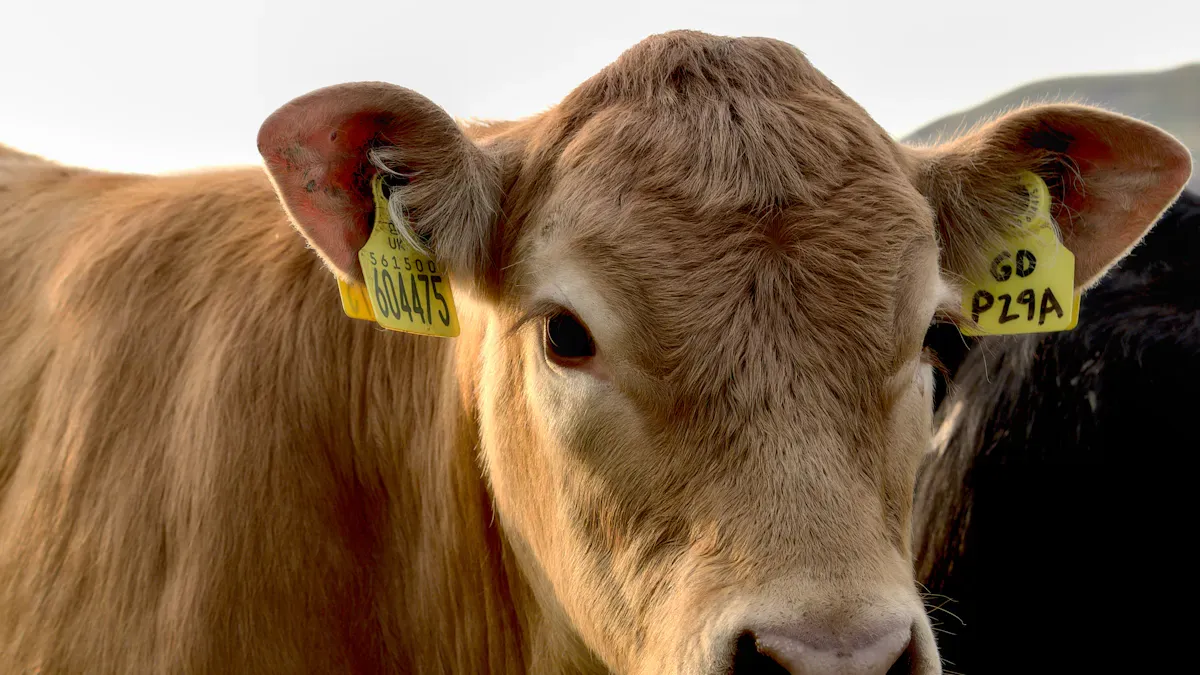
You need to know where your animals are at all times. Livestock RFID makes this easy. Each animal gets a unique tag. You can scan the tag and see important details right away. This system helps you avoid mistakes and saves time. You do not have to write things down by hand. You can trust the data you collect.
Here is a table that shows how RFID technology compares to old methods:
Feature | RFID Technology | Visual Ear Tags / Manual Record-Keeping |
|---|---|---|
Tracking Method | Real-time tracking using RFID readers | Manual identification required |
Data Collection | Automated data logging | Labor-intensive and prone to errors |
Information Storage | Stores extensive data (health, history) | Limited data storage |
Human Error | Significantly reduced | High likelihood of errors |
Labor Costs | Lower due to automation | Higher due to manual processes |
Compliance with Regulations | Quick scanning for traceability | Slower, manual processes |
You can see that Livestock RFID gives you faster and more accurate tracking. This helps you keep better records and find animals quickly.
Health and Productivity Monitoring
You want your animals to stay healthy and productive. RFID ear tags help you do this. Advanced tags, like the MarktraceRFID ZR3658 Biochip Ear Tag, have sensors that track temperature and movement. You get real-time updates on each animal’s health. If a cow gets sick or stops moving, you know right away. You can act fast to help your animals.
Studies show that electronic ear tags help you trace disease, monitor health, and improve farm management. You can also track animal activity and spot problems early. This means you can keep your herd healthy and increase your profits.
Compliance and Data Management
You must follow rules for animal identification in many countries. Livestock RFID helps you meet these rules. For example, the United States and Australia require electronic tags for cattle, sheep, and goats. RFID systems store all the data you need for reports. You can create compliance reports automatically. This saves you time and helps you avoid mistakes.
RFID technology also lets you trace every step of your animals’ lives. If there is a food safety problem, you can find the source quickly. This protects your farm and your customers.
Tip: Using RFID ear tags helps you manage your animals better, meet legal requirements, and improve animal welfare.
Choosing a Manufacturer
Product Quality and Features
When you select a livestock RFID ear tag manufacturer, you want products that last and perform well. Look for tags that offer full traceability, strong durability, and advanced technology. Modern tags, like those from MarktraceRFID, include features such as temperature and motion sensors. These sensors help you monitor animal health in real time and receive alerts if something changes. You can see how quality indicators compare in the table below:
Quality Indicator | Description |
|---|---|
Traceability | Electronic ear tags enable full-chain traceability from farm to slaughter, crucial for disease control. |
Durability | Performance under various conditions is essential; improvements are needed for extreme weather. |
Technological Advancements | Innovations like temperature monitoring and positioning enhance animal health management. |
You should also check if the tags are lightweight, weather-resistant, and made for long-term use. High pull strength and UV resistance help the tags stay attached and readable in tough farm environments.
Support and Reputation
You need a manufacturer that stands behind its products. Good after-sales support and a clear warranty policy make a big difference. Some companies, like MarktraceRFID, offer strong customer support and training resources. Others, such as Jiarfid and MoreRFID, provide comprehensive warranties and maintenance services. Reliable support helps you solve problems quickly and keeps your farm running smoothly.
Manufacturer | Warranty Policy | After-Sales Support |
|---|---|---|
Jiarfid | Comprehensive warranty and maintenance services | Reliable quality and competitive pricing |
MoreRFID | Repairs/replacements within 12 months; discounted maintenance services | Limited support for non-warranty services |
MarktraceRFID | Fast response, training, and global deployments | Advanced features and strong support |
Choose a brand with a good reputation and proven reliability in harsh conditions.
Integration with Farm Systems
You want your RFID system to work with your existing farm management software. Compatibility is key. Some brands, like MarktraceRFID, design their products for seamless integration with popular platforms. This makes it easier for you to track animals, manage records, and meet regulatory requirements. Look for features such as fast, contactless identification and accurate tracking. Make sure the system can handle large amounts of data and connect with national traceability platforms.
Feature | Description |
|---|---|
Integration with software | Seamless integration with farm management software and veterinary systems. |
Compatibility with standards | Fully compliant with international animal identification standards. |
System connectivity | Connects with national and local traceability platforms. |
By focusing on quality, support, and integration, you can choose a manufacturer that helps you manage your livestock efficiently and effectively.
You need to choose a reliable livestock RFID ear tag manufacturer to manage your animals well. Advanced solutions, such as MarktraceRFID, help you improve productivity and animal welfare. Smart RFID tags let you monitor health, reduce costs, and boost profits. The industry keeps growing with new technology and eco-friendly designs.
Description | |
|---|---|
Frequency Selection | Pick LF or UHF tags based on your system needs. |
Tag Structure | Make sure tags last through tough farm conditions. |
Chip Selection | Decide if you need read-only or read-write chips. |
Reader Devices | Choose readers that fit your workflow and herd size. |
Cost Evaluation | Look at total costs, not just tag price. |
Research your options. Find the best manufacturer for your farm.
FAQ
How do RFID ear tags help you track livestock?
RFID ear tags store unique IDs for each animal. You scan the tag with a reader. The system shows you the animal’s location and history. You can track movement and health easily.
Are RFID ear tags safe for animals?
You can use RFID ear tags safely. Manufacturers design tags to be lightweight and comfortable. The materials resist weather and do not harm the animal’s ear.
What data can you collect with RFID ear tags?
You collect identification, health, and activity data. Advanced tags, like MarktraceRFID’s ZR3658, monitor temperature and movement. You access this information in real time.
How long do RFID ear tags last?
Most RFID ear tags last several years. You get durable tags that withstand farm conditions. Quality tags stay readable and attached for the animal’s lifetime.
Can you integrate RFID ear tags with farm management software?
Yes, you can connect RFID ear tags to farm management systems. Many brands, including MarktraceRFID, offer easy integration. You manage records and track animals from your computer or phone.
- Next>:Animal ear tag RFID supplier

 2025-12-05
 Blogs
Blogs