
Types of RFID Readers: Handheld, Fixed, and Integrated Explained
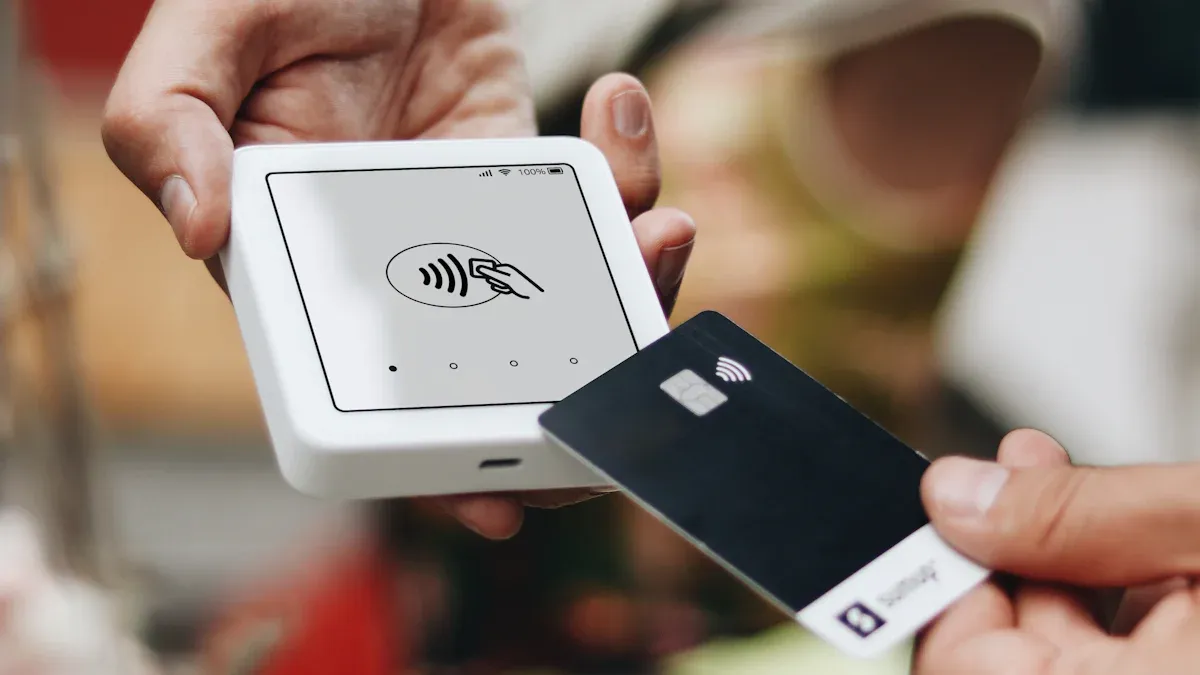
You can find three main types of RFID readers. These are handheld, fixed, and integrated. Each type uses RFID technology to help you track items. Handheld readers let you walk around and scan tags. Fixed readers stay in one place and watch big areas. They help with tracking all the time. Integrated readers have the reader and antenna together. This makes collecting data easy. SHENZHEN MARKTRACE CO.,LTD. has advanced choices. These show how the readers work in real life.
Key Takeaways
There are three main types of RFID readers: handheld, fixed, and integrated. Each type helps with different tracking jobs. Handheld RFID readers are easy to carry. They are great for scanning things while moving around. This makes them good for checking inventory in many places. Fixed RFID readers stay in one spot. They watch over big areas all the time. This helps track items at doors and exits. Integrated RFID readers have the reader and antenna in one device. This makes setup easier and helps collect data faster. Pick handheld readers if you need to move around a lot. Use fixed readers for busy places that need automatic tracking. Choose integrated readers if you want to save space. Think about your current setup, if the technology will work together, and if you might need more readers later. Always check the battery in handheld readers. This keeps scanning from stopping during work. RFID readers can help you track things better. They also cut down on manual work and make everything run smoother.
Types of RFID Readers
RFID Readers Overview
RFID technology helps people track things and collect data. RFID readers scan and find tags on objects, people, or cars. These readers use radio waves to get information from RFID tags. There are three main types of readers: handheld, fixed, and integrated. Each type is good for different jobs. SHENZHEN MARKTRACE CO.,LTD. makes advanced RFID readers that show how this technology works in real life.
Types of Readers Explained
You can pick different readers based on what you need. Handheld RFID readers are small and easy to carry. You walk around and scan tags with them. Fixed RFID readers stay in one spot. They watch big spaces and track items by themselves. Integrated RFID readers have the reader and antenna together in one piece. This makes them simple to set up and helps you get data fast.
Here is a table that shows how these types of readers are different:
Type | Performance and Range | Scalability and Maintenance |
|---|---|---|
Handheld | Shorter read range (1–10 meters); Battery life (8–14 hours) | Easy to scale; Requires regular battery replacements |
Fixed Readers | Longer range (up to 15 meters); Consistent power supply | Complex to scale; Minimal maintenance required |
Integrated | Combines reader and antenna; Seamless data capture | Simple installation; Reliable operation |
Handheld readers are great for moving around and doing tasks. Fixed readers are best for places that need to be watched all the time. Integrated readers help you set up systems fast and collect data easily.
Key Differences
There are some big differences between the types of readers. Handheld RFID readers let you move and scan things one at a time. Fixed RFID readers work by themselves and track items all day. Integrated RFID readers are easy to set up and collect data well.
Here is a table that shows important features:
Feature | Description |
|---|---|
Read Range | RFID readers have different read ranges based on how they are made. |
Connectivity | They can use Ethernet, Wi-Fi, or Bluetooth to connect to systems. |
Power Requirements | Some readers use batteries, others need to be plugged in. |
Antenna Ports | More antenna ports mean you can read more tags at once. |
Tip: If you want to count items in a warehouse, handheld RFID readers are good for quick checks. For watching doors or conveyor belts, fixed RFID readers are better. Integrated RFID readers are good for making smart buildings or factories.
SHENZHEN MARKTRACE CO.,LTD. has RFID readers for many uses. Their products, like the MR7902 handheld reader and MR7901P fixed reader, show how RFID readers can make tracking and data better. You can use RFID readers for asset tracking, inventory, and real-time monitoring in many jobs.
Handheld RFID Readers
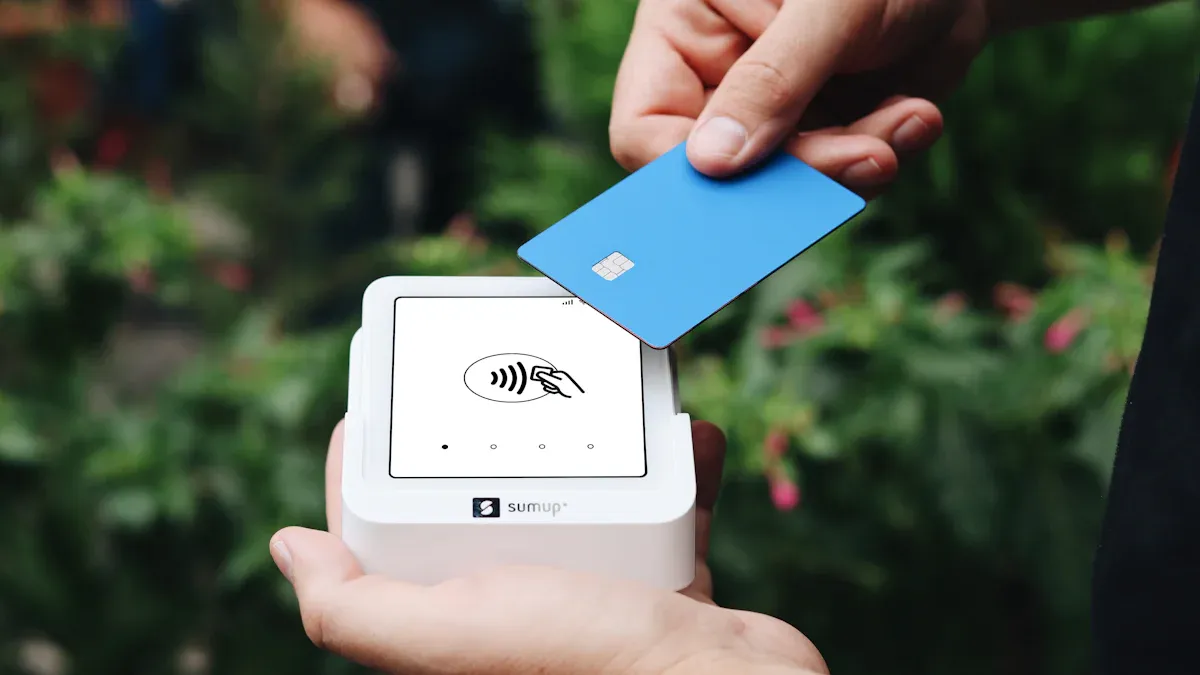
Handheld Reader Features
Handheld readers let you scan RFID tags anywhere you go. These readers are light and easy to hold. You can use them for asset tracking and inventory jobs. The MR7902 from SHENZHEN MARKTRACE CO.,LTD. is a mobile RFID reader. It can scan tags from far away, up to 200 meters in open areas. This is great for finding items in big spaces.
Some handheld readers have Bluetooth and GPRS. These features help you connect to your phone or tablet. You can collect data without wires and move around easily. Bluetooth gives you more ways to use the reader. GPRS lets you send data using mobile networks. You do not need to be close to a computer. Mobile RFID readers can be used for contactless access and checking who enters. This makes your work safer and faster.
Most handheld readers have a simple screen and buttons. You can see tag info right away. The battery lasts a long time, so you can use it all day. You can scan one tag or many tags at once. This helps you finish your work faster.
Handheld Reader Operation
You use handheld RFID readers by walking and scanning tags. You point the reader at a tag and press a button. The reader uses radio waves to read the tag’s info. You can see the data on the screen. If you use Bluetooth, you can send data to your phone. GPRS lets you upload data to the cloud. This makes tracking and inventory jobs easy.
Handheld readers work well in busy places. You can use them in warehouses, schools, or hospitals. You can scan tags on boxes, tools, or people. The reader helps you keep track of things and update records fast. You can use mobile RFID readers for things like tracking school buses or watching building doors.
Tip: Always check the battery before you start tracking. A full battery helps you scan tags without stopping.
Pros and Cons
Handheld RFID readers have many good points for mobile jobs. Here is a table that shows the main pros and cons:
Advantages | Disadvantages |
|---|---|
Mobility: Portable for on-the-go scanning. | Limited Read Range: Shorter range than fixed readers. |
Versatility: Usable in various environments. | Manual Operation: Time-consuming for large-scale tasks. |
Cost-Effective: Lower initial investment. | Single Antenna Limitation: Cannot read from multiple angles. |
You get to move around and scan with handheld readers. You can use them for tracking in many places. You can scan tags in warehouses, offices, or outside. The reader helps you finish scanning jobs quickly. You can use handheld readers for things like inventory and RFID tracking. You can see how RFID readers work by using them in real life.
Handheld readers are a smart pick for mobile tracking. You can use them to scan tags in many jobs. You can make your tracking and data collection better with these readers.
Handheld Reader Applications
Handheld RFID readers help you work faster and smarter in many industries. You can use them to track items, manage inventory, and collect data on the move. These readers give you the freedom to scan tags wherever you go. You can see results right away and make quick decisions.
Here are some of the most common places where you can use handheld RFID readers:
Asset Management
Inventory Management
Agriculture, Forestry & Fisheries
Construction
Entertainment
Manufacturing
Retail
Transportation
Healthcare
Mining
You can find handheld RFID readers in warehouses, hospitals, farms, and stores. These devices help you keep track of tools, equipment, and products. You can also use them to monitor vehicles and people in busy areas.
Asset Tracking
You can use handheld RFID readers to track assets in real time. If you work in a warehouse, you can scan tags on boxes, pallets, or machines. You can see where each item is and update your records quickly. The MR7902 model from SHENZHEN MARKTRACE CO.,LTD. gives you a long reading range, so you can scan tags from far away. You do not need to walk close to every item.
Bluetooth and GPRS features let you send data to your phone or computer. You can collect information without wires and share it with your team. This makes asset tracking easy and fast. You can also use handheld readers to check tools on a construction site or track medical equipment in a hospital. You always know where your assets are, and you can find them when you need them.
Tip: Use handheld RFID readers to check assets during audits. You can finish your work faster and avoid mistakes.
Inventory Management
Handheld RFID readers make inventory jobs simple. You can walk through a store or warehouse and scan tags on products. You see the count on your screen and update your inventory records right away. The MR7902 model helps you scan many items quickly, even in large spaces.
Bluetooth lets you connect the reader to your tablet or phone. GPRS helps you send data to the cloud. You do not need to write numbers by hand. You can finish inventory checks in less time and keep your records accurate.
You can use handheld RFID readers in retail stores to count products on shelves. You can also use them in factories to check parts and supplies. You always know what you have in stock, and you can order more when you need it.
Note: Regular inventory checks with handheld RFID readers help you avoid running out of products.
Handheld RFID readers give you the tools to track assets and manage inventory with ease. You can use them in many industries to improve your work and keep your data up to date.
Fixed RFID Readers
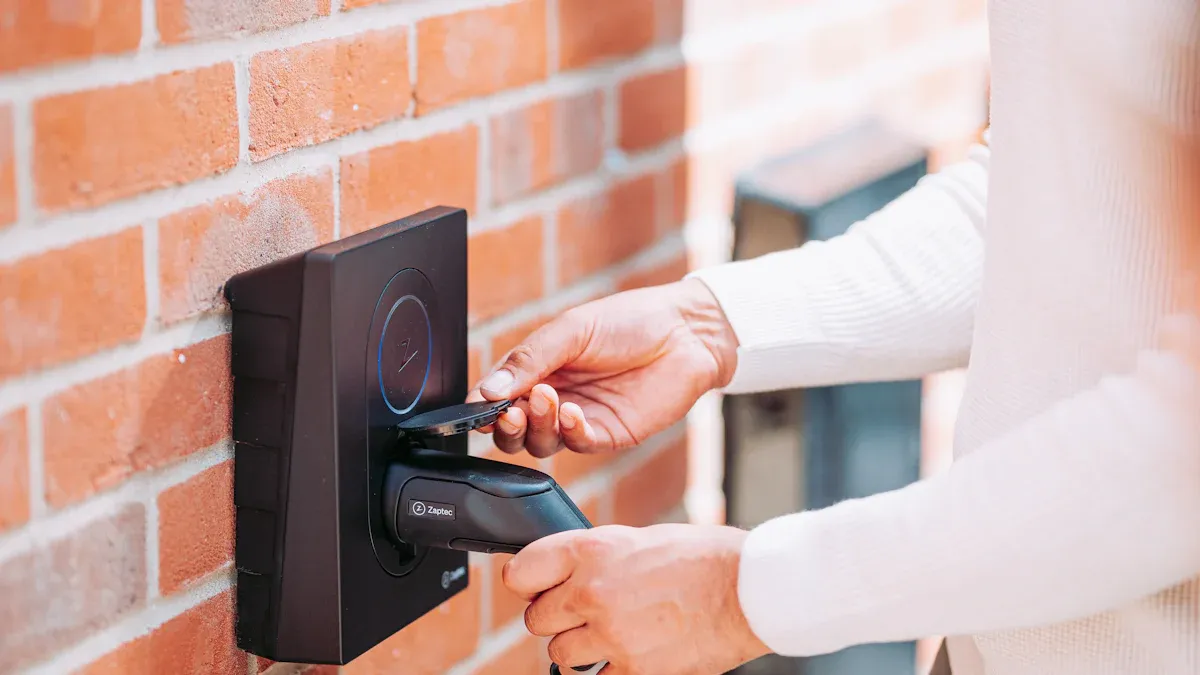
Fixed RFID Readers Overview
Fixed RFID readers do not move. They stay in one place. You use these readers to watch important spots. They track items as they go through doors or gates. These readers work best in warehouses and factories. You can put them at entry or exit points. This helps you know when things come in or leave. You do not need to walk around to check your inventory.
The MR7901P from SHENZHEN MARKTRACE CO.,LTD. is a good fixed RFID reader. It uses new technology to read tags from far away. You can trust this reader to give you data right away. Fixed RFID readers help you make fewer mistakes. They also save you time in busy places.
Fixed Reader Features
Fixed RFID readers have many helpful features. The MR7901P model works at a 2.4G frequency. It uses four antennas. You can use the antennas to read in all directions or just one. This means you can cover big areas or focus on one spot. The reader uses GFSK signal modulation. It has a traffic rate of 1MMbit/s. This helps you collect data fast and correctly.
Here is a table that shows the main features of the MR7901P fixed RFID reader:
Feature | Description |
|---|---|
Frequency | 2.4G |
Antenna System | 4 antennas, omnidirectional and directional use |
Signal Modulation Mode | GFSK |
Traffic Rate | 1MMbit/s |
These features help you collect data quickly. Fixed RFID readers are good for tracking many items at once. You do not need to move the reader. It stays in one place and does the work for you.
Fixed Reader Operation
You use fixed RFID readers by putting them at important spots. You can put them at doors, gates, or on conveyor belts. The reader scans RFID tags as things pass by. You get updates on your computer right away. This helps you know where your things are all the time.
Fixed RFID readers are best for big jobs and long-term use. You can use them in warehouses to track products from start to finish. These readers help you see your supply chain clearly. You can stop delays and pick orders faster. Some fixed readers can scan up to 1,500 items each minute.
Here are some ways fixed RFID readers help you:
Track inventory in real time.
Collect RFID tag data as things move in or out.
Cut down on counting by hand and stop running out or having too much stock.
You can trust fixed RFID readers for big jobs. They work well in tough places and keep your tracking right. You get the best results when you set them up the right way. Good setup helps you get the most from your fixed readers.
Tip: Put your fixed RFID readers at busy spots to get the best data.
Pros and Cons
Fixed RFID readers give you strong tools for tracking and automation. You can use them to scan many items at once without moving the reader. These readers help you watch entry points, exits, and busy areas. You get real-time data, which helps you make quick decisions.
Here is a table that shows the main pros and cons of fixed RFID readers compared to handheld and integrated types:
Type | Pros | Cons |
|---|---|---|
Handheld RFID Reader | Flexibility: Scan items anywhere, like fitting rooms or stockrooms. | Manual Operation: Staff must scan items one by one. |
Cost-Effective: Lower upfront cost. | Limited Automation: Not good for real-time exit monitoring. | |
Staff Efficiency: Good for daily counts or restocking. | ||
Fixed RFID Reader | Automation: Scans items at exits or conveyor belts all the time. | Higher Cost: Needs more money for setup and hardware. |
Theft Prevention: Finds unpaid items in real time. | Fixed Locations: Only works where you install it. | |
High Volume: Scans over 100 items per second for fast lines. |
You can see that fixed RFID readers work best when you need to scan many items quickly. They help you stop theft and keep your inventory up to date. You do not need to scan each item by hand. You do need to plan where to put them, and they cost more than handheld readers. You get the most value in places with lots of movement, like warehouses or factories.
Tip: Use fixed RFID readers if you want to automate tracking and reduce manual work.
Fixed Reader Applications
Fixed RFID readers help you in many ways. You can use them to track goods, watch doors, and follow items on conveyor belts. These readers work well in large spaces and busy areas.
Entry/Exit Monitoring
You can place fixed RFID readers at the entrances and exits of your warehouse. These readers automatically record every item that comes in or goes out. You do not need to write anything down. The system updates your inventory in real time. This helps you know what you have at any moment. You can also use these readers to stop theft. If something leaves without permission, you get an alert right away.
Here is a table that shows how fixed RFID readers help with entry and exit monitoring:
Use Case | Description |
|---|---|
Fixed RFID readers at entrances and exits record goods moving in and out for real-time updates. |
Note: You can trust fixed RFID readers to keep your records correct and up to date.
Conveyor Belt Tracking
Fixed RFID readers also work well on conveyor belts. You can track each batch of goods as they move through your factory. The reader scans every item that passes by. You get accurate data for each step in your process. This helps you find problems fast and keep your work running smoothly.
Here is a table that explains how fixed RFID readers help with conveyor belt tracking:
Use Case | Description |
|---|---|
Conveyor Belt Tracking | Fixed RFID readers track each batch on conveyor belts, making your operations more efficient. |
You can use fixed RFID readers to improve your workflow. You save time and reduce mistakes. These readers help you manage large numbers of items without extra work.
Tip: Place fixed RFID readers at key points to get the best results in your warehouse or factory.
Integrated RFID Readers
Integrated Reader Features
Integrated RFID readers make tracking jobs easier for you. These readers have the reader and antenna in one device. This saves space and makes setup easy. The MR7903 model from SHENZHEN MARKTRACE CO.,LTD. is a good example of an advanced integrated reader. You can use this reader in big buildings or factories for IoT jobs.
Some features of the MR7903 integrated reader are:
You can track tools and supplies in large areas.
You get updates right away with mobile device connections.
You can read tags from far away, so asset management is better.
You can work faster in busy places by using this reader.
Integrated readers help you keep your data correct. You can use them for tracking assets, watching employees, or managing the supply chain.
Integrated Reader Operation
You can set up integrated RFID readers fast because the reader and antenna are together. This means you do not lose signal since you do not need extra wires. You can scan many RFID tags at the same time, so you collect data quickly. These readers help you manage inventory and make your work automatic.
When you use an integrated reader, you see results right away. You can connect it to your system and start tracking fast. The reader works well where you need quick and correct data. You can use it in smart buildings, factories, or warehouses. The design helps you avoid mistakes and keeps your records correct.
Tip: Put your integrated reader in the middle of the area. This way, you cover more space and get better results.
Pros and Cons
Integrated RFID readers have many good points for automation and system use. Here is a table that shows how they compare to other readers:
Disadvantages of Integrated RFID Readers | |
|---|---|
Take up little space, good for small areas. | Hard to move the antenna or change its direction. |
Easy to install, so you save time. | Not easy to upgrade parts like antennas. |
Less signal loss, so they work better. | Smaller coverage area and fewer ways to set up. |
Great for mobile jobs, giving you more options. |
You get a small device that fits in tight spots. You save time when you set it up and get strong performance because there is less signal loss. These readers are good for mobile jobs and making work automatic. It can be hard to change the antenna or make the area bigger. You need to plan where you put the reader for the best results.
Integrated RFID readers help you track and collect data in a smarter way. You can use them in many jobs to work better and keep your information correct.
Integrated Reader Applications
Integrated RFID readers give you strong tools for tracking today. You can use these readers in many jobs to make work easier and more correct. The MR7903 model from SHENZHEN MARKTRACE CO.,LTD. shows how these readers work well in real life. This reader puts the antenna and reader together in one device, so you get fast and steady data.
System Integration
You can use integrated RFID readers to link parts of your business. These readers help you build smart systems that share information. When you use an integrated reader, you do not need extra wires or antennas. You can set up the device fast and start getting data right away.
Here are some ways you can use integrated RFID readers for system integration:
Smart Factory Automation: You can track tools and parts as they move. This helps you know where things are and keeps work running well.
Live Asset Tracking: You can watch goods as they move through your supply chain. This gives you better control and helps stop loss or theft.
Predictive Maintenance: You can put RFID tags on machines. The system can tell you when a machine needs service before it breaks.
Intelligent Retail Management: You can keep track of products on shelves. This helps you avoid running out and keeps your store neat.
Automated Replenishment: The system can see when you are low on items and order more for you.
Tip: If you connect your RFID system to your software, you get updates right away. This helps you make good choices and act fast when things change.
Automation
Integrated RFID readers help you do many jobs without using your hands. You do not have to check items one by one. The reader scans tags and sends the data to your system. This saves you time and helps you make fewer mistakes.
You can use automation in these ways:
Smart Access Control: You can use RFID badges to let people into safe areas. The system checks each badge and only opens the door for the right person.
Employee Monitoring: You can track where workers are in a building. This helps you keep important places safe and know who is there.
Automated Inventory Checks: The reader can scan all items in a room at once. You always know what you have without counting by hand.
Note: Using automation with integrated RFID readers helps you work faster and keeps your records right. You can do other important jobs while the system tracks things for you.
Integrated RFID readers like the MR7903 make your business smarter. You can use them to link systems, automate jobs, and keep your data up to date. This technology helps you save time, make fewer mistakes, and improve your work.
Comparing RFID Reader Types
Feature Comparison
You can pick different RFID readers based on what you need. Each type has its own good points for tracking. Handheld readers let you walk around and scan tags. Fixed readers stay in one spot and work all day. Integrated readers put the reader and antenna together. This makes them easy to set up and saves space.
Here is a table that shows how handheld and fixed readers are different:
Feature | Handheld Readers | Fixed Readers |
|---|---|---|
Durability | Less durable, designed for mobility | More durable, reliable for continuous use |
Connectivity | Primarily wireless | Typically wired |
Scalability | Easily adaptable to layout changes | Scales efficiently in stable environments |
Integrated readers are also simple to install and lose less signal. You can use them in small spaces. These readers help you start tracking fast.
Tip: If you move your reader a lot, choose a handheld one. For busy places that need tracking all the time, fixed or integrated readers are better.
Performance Differences
RFID readers work in different ways. Fixed readers can scan hundreds of tags every second. They are very fast and correct. These readers are good for jobs where you need to track many things at once.
Handheld readers scan one tag at a time. You can move around and look for special items. How well they work depends on how you use them. Integrated readers also work well, especially in smart buildings or factories.
Here is a table that shows how they perform:
Reader Type | Read Speed | Accuracy | Use Case |
|---|---|---|---|
Fixed Readers | High (Hundreds/sec) | 100% for compliance | Automated environments, high volume tracking |
Handheld Readers | Low (One by one) | Variable | Mobility, inventory counts, specific item search |
Fixed readers are best for fast and correct tracking. You can use them for jobs that need automation.
Handheld readers give you more freedom. You can use them for counting and finding items.
Note: Pick fixed readers for quick and correct tracking in busy places. Use handheld readers if you need to move and scan items.
Cost Factors
You should think about price when picking RFID readers. The cost changes based on the type and features. Fixed readers cost more because they track all the time and have more features. They usually cost between $1,000 and $8,000. Handheld readers are cheaper, from $500 to $4,500. Integrated readers and USB/Desktop models are small and cost less.
Here is a table that shows the price for each type:
Type of RFID Reader | Cost Range |
|---|---|
Fixed Readers | $1,000 - $8,000 |
Handheld Readers | $500 - $4,500 |
Integrated Readers | $500 - $1,000 |
USB/Desktop Readers | $200 - $500 |
Fixed readers: Price depends on how far they can read and how strong they are.
Handheld readers: Cost changes if they are tough or have more ways to connect.
Antennas: You might pay more if you want to read farther.
You should match your money plan to your tracking needs. If you need to scan lots of things fast, fixed readers are a good buy. For smaller jobs or moving around, handheld or integrated readers save money and give you more choices.
Tip: Always check the features and total price before you buy RFID readers. This helps you get the best deal for your tracking system.
Best Use Cases
You need to pick the right RFID reader for your job. Each type works best in certain places. Handheld, fixed, and integrated readers help you with different problems.
Handheld RFID readers give you lots of freedom. You walk around and scan tags on things, people, or tools. You use them in places where you move a lot, like warehouses, hospitals, or schools. You can track items, check inventory, and manage equipment. Handheld readers help you finish audits fast and keep records up to date.
Fixed RFID readers stay in one spot. You put them at doors, exits, or on conveyor belts. You use fixed readers when you need to watch big areas all the time. These readers work well in factories, stores, and shipping centers. You can track products as they move, stop theft, and make inventory automatic. Fixed readers help you save time and make fewer mistakes.
Integrated RFID readers have the reader and antenna together. You set them up quickly and use them in smart buildings or automatic systems. Integrated readers work best when you want easy data collection. You use them for system integration, automation, and tracking in real time. These readers help you manage items, watch workers, and control who gets in.
Here is a table that shows the best ways to use each RFID reader in different jobs:
Industry | RFID Reader Type | Use Case | Benefits |
|---|---|---|---|
Healthcare | Handheld, Integrated | Asset management, medication management, patient tracking | Better care, fewer mistakes |
Manufacturing | Fixed, Integrated | Inventory management, progress tracking, quality control | Faster work, better results |
Retail | Fixed, Handheld | Inventory management, shrinkage reduction, customer experience | Good stock, happy shoppers |
Education | Handheld, Integrated | Student and staff tracking, library management, asset tracking | Safer campus, easier resource management |
Healthcare workers use handheld and integrated readers to track patients and medicine. This helps you give better care and avoid mistakes. In factories, fixed and integrated readers help you manage inventory and watch production. You get faster work and better quality.
Stores use fixed and handheld readers to count products and stop theft. You keep shelves full and make shopping better for customers. Schools use handheld and integrated readers to track students, staff, and books. You keep your campus safe and manage resources easily.
Tip: Think about your workplace and what you need to track. If you move around a lot, choose a handheld reader. For busy places with lots of movement, fixed or integrated readers are best.
You can pick the right RFID reader for your job. This helps you work faster, keep your data correct, and make your business better.
Choosing the Right RFID Reader
Selection Factors
You want to choose the right RFID reader for your needs. Start by looking at a few important factors. Each factor helps you decide which reader fits your job best. Use this checklist to guide your choice:
Factor | Description |
|---|---|
Existing Infrastructure | Check if the reader works with your current systems. This helps you upgrade without problems. |
Technology Compatibility | Make sure the reader supports different RFID tags and communication methods. |
Security Requirements | Think about how much security you need. Some places need strong encryption and must follow rules. |
Future Scalability | Pick a reader that can grow with your business. You may need new features later. |
You should also think about your environment. If you work in a warehouse, you need a reader that can handle dust and movement. In retail stores, you want a reader that works fast and keeps your data safe. For logistics, you need a reader that can track items over long distances.
Application Scenarios
RFID readers work in many places. You see them in retail, logistics, and factories. Each place has its own needs. In retail stores, you use readers to count products and stop theft. You scan tags on clothes, shoes, and electronics. This helps you keep shelves full and customers happy.
In logistics, you use readers to track packages and shipments. You want to know where each box is at all times. RFID helps you move goods quickly and avoid mistakes. In factories, readers help you track tools and supplies. You see which items move in and out. This keeps your work running smoothly.
You also use RFID in healthcare, schools, and farms. You track medicine, students, and animals. Each job needs a different reader. Handheld readers work well when you move around a lot. Fixed readers help you watch busy spots. Integrated readers make setup easy and save space.
Tip: Match your reader to your job. If you need to move, pick a handheld reader. For busy areas, use fixed or integrated readers.
Expert Tips
Experts suggest a few tips to help you choose the right RFID reader. Follow these steps to make a smart choice:
Pick the right frequency range. Make sure your reader matches the RFID tags you use.
Choose the best antenna type. Linear antennas work for straight lines. Circular antennas help when tags face different ways.
Check the reading distance. Some readers scan far, others work close up. Pick what fits your space.
Look at connectivity options. Your reader should connect to your systems easily. Wi-Fi, Ethernet, and USB are common choices.
Select a trusted brand. Good brands give you reliable readers and strong support.
You want a reader that fits your environment, tracks items well, and connects to your systems. Think about how you will use RFID every day. If you plan for growth, your reader will work for you longer.
Note: Always test your reader before you buy many units. This helps you see if it fits your needs.
You can choose the right RFID reader by following these steps. You improve tracking, save time, and keep your data safe in retail, logistics, and other jobs.
You can pick handheld, fixed, or integrated RFID readers. Each type is best for certain jobs. Choosing the right reader helps you work faster and get better data.
Fixed readers watch items at doors or on conveyor belts.
Handheld readers let you scan things anywhere, even in busy places.
Integrated readers go inside machines to make work easier and cut down on manual tasks.
SHENZHEN MARKTRACE CO.,LTD. offers reliable RFID solutions. Think about your space, how you work, and your goals before choosing.
FAQ
What is an RFID reader?
An RFID reader is a device that scans RFID tags using radio waves. You use it to track items, people, or vehicles. The reader collects data and sends it to your system.
How do you choose the right RFID reader?
You look at your needs, environment, and budget. Handheld readers work for mobile jobs. Fixed readers help with automation. Integrated readers make setup easy. Always match the reader to your application.
Can RFID readers work outdoors?
Yes, you can use RFID readers outdoors. Many models have weatherproof designs. You should check the product specifications to make sure the reader fits your outdoor needs.
What is the difference between active and passive RFID readers?
Active RFID readers scan tags with their own power source. Passive readers scan tags that use energy from the reader’s signal. Active readers work over longer distances.
How far can an RFID reader scan?
The scan range depends on the reader type and tag. Handheld readers scan up to 10 meters. Fixed and integrated readers can reach 15 meters or more. Some advanced models scan up to 200 meters.
Do RFID readers need special software?
Most RFID readers need software to collect and manage data. You connect the reader to your computer or mobile device. The software helps you organize and analyze the information.
Can you use RFID readers for security?
Yes, you use RFID readers for security. You track who enters or leaves a building. You monitor assets and prevent theft. RFID systems help you keep your workplace safe.
- Next>:Passive vs Active RFID Readers: What’s the Difference?

 2026-08-24
 Blogs
Blogs