
Advantages of Embedded RFID Readers in Asset Tracking
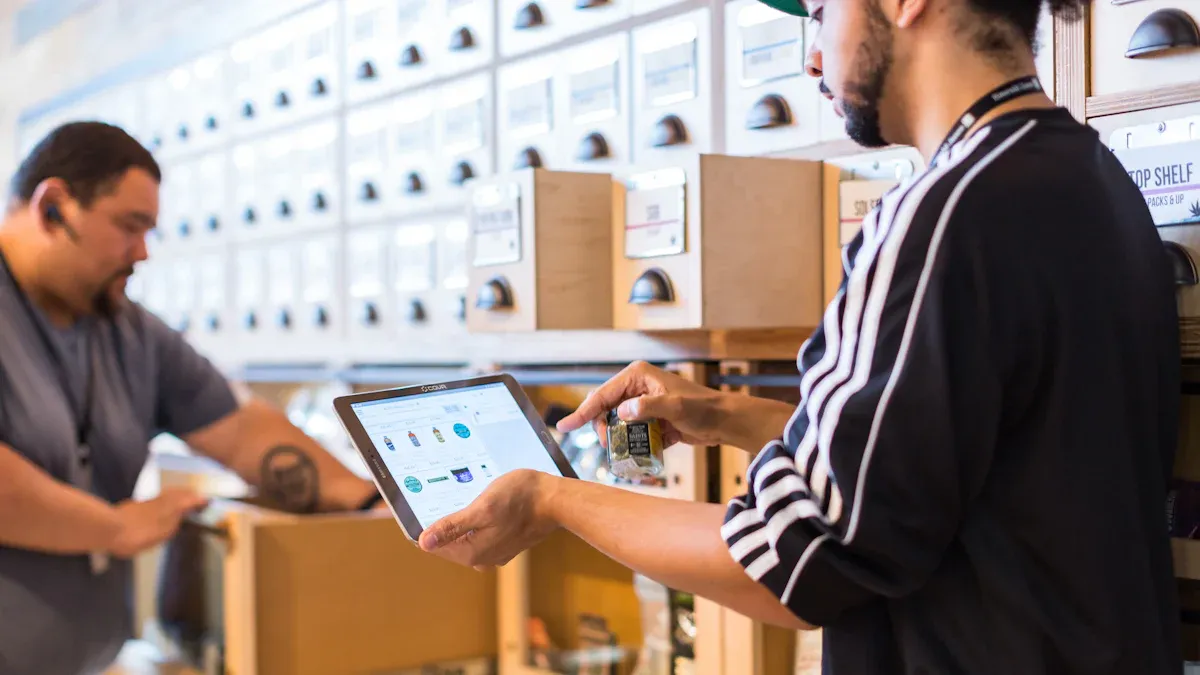
Embedded rfid readers help you track assets faster. They also make tracking more correct. These devices let you get data right away. They help you watch assets without doing it by hand. You can use embedded rfid readers to stop mistakes from typing or scanning barcodes. With these readers, you always know where your assets are. You also know what shape they are in. SHENZHEN MARKTRACE CO.,LTD. sells smart embedded rfid readers. Some examples are MR7901P, MR7902, and MR7903. These can make your asset tracking system better.
Embedded rfid readers cut down on work costs and make things run smoother.
Tracking in real time with these readers helps you make good choices.
Embedded rfid readers can read many items at once, even if they cannot see them.
Key Takeaways
Embedded RFID readers help you find things quickly and correctly.
You can see where things are right now and choose better.
RFID readers cut down on hand work and mistakes people make.
You can scan lots of things at once, even if you can't see them.
RFID systems help you use less time and spend less money.
You can add more RFID systems as your company gets bigger.
RFID technology makes things safer and keeps data safe.
You can use RFID in many fields like hospitals and shipping.
Embedded RFID Readers Overview
What Are Embedded RFID Readers
Embedded rfid readers help you track things in many places. These devices are inside machines or systems. They collect data about items, people, or vehicles. You see rfid readers in factories, warehouses, schools, and hospitals. They work with rfid tags that hold asset information. You put rfid tags on things you want to follow. The reader scans the tag and sends data to your computer.
Embedded rfid readers have important parts:
rfid readers: Some are low-frequency and reach farther. Some are high-frequency and reach less. You pick the type for your asset.
rfid antennas: These send and get signals between the reader and tag. Circular antennas work close up. Linear antennas reach farther away.
rfid tags: These have microchips with asset details. Active tags send signals far. Passive tags work close and get power from the reader.
Here is a table showing how rfid readers fit into asset tracking:
Component | Description |
|---|---|
RFID Tags | Put on assets, have a chip and antenna. |
Antennas | Send and get radio waves. |
RFID Readers | Find tag signals and send data. |
Middleware | Takes in, sorts, saves, and shows data. |
Integration Layer | Links with ERP, maintenance, or asset management systems. |
How Embedded RFID Readers Work
rfid readers scan rfid tags on your assets. The reader sends radio waves. The tag gets the signal and sends back its info. The reader collects this and sends it to your software. You can see where your assets are and their condition. rfid systems work even if you cannot see the tags. You can scan many tags at once. You do not need to touch or line up each item.
rfid technology lets you connect asset tracking to other business systems. You can link rfid data to ERP or asset management software. You do not need to change your IT setup much. You can grow your system as your business grows.
Types of Embedded RFID Readers
There are different rfid readers for asset tracking. Each type fits a special need. The table below shows the main types and their uses:
Type of RFID Reader | Description | Typical Use Cases |
|---|---|---|
Fixed RFID Readers | Stay in one place and always find tagged items nearby. | Automated inventory, supply chain tracking. |
Handheld RFID Readers | You carry these to scan items in many spots. | Inventory checks, asset tracking, maintenance. |
Mobile RFID Readers | Built into vehicles to scan while moving. | Big warehouses, distribution centers. |
SHENZHEN MARKTRACE CO.,LTD. sells advanced rfid readers for many needs. The MR7901P model reads tags from far away and gives quick data. The MR7902 model uses strong rfid technology for fast-moving goods. The MR7903 model works well in big buildings and is easy to set up. You can use these readers for real-time tracking, inventory, and better security in schools, offices, and factories.
Tip: You can scan many rfid tags at once, even if they are hidden or far away. This makes asset tracking faster and more correct.
RFID Asset Tracking: Key Advantages
Automation in Asset Tracking
Eliminating Manual Processes
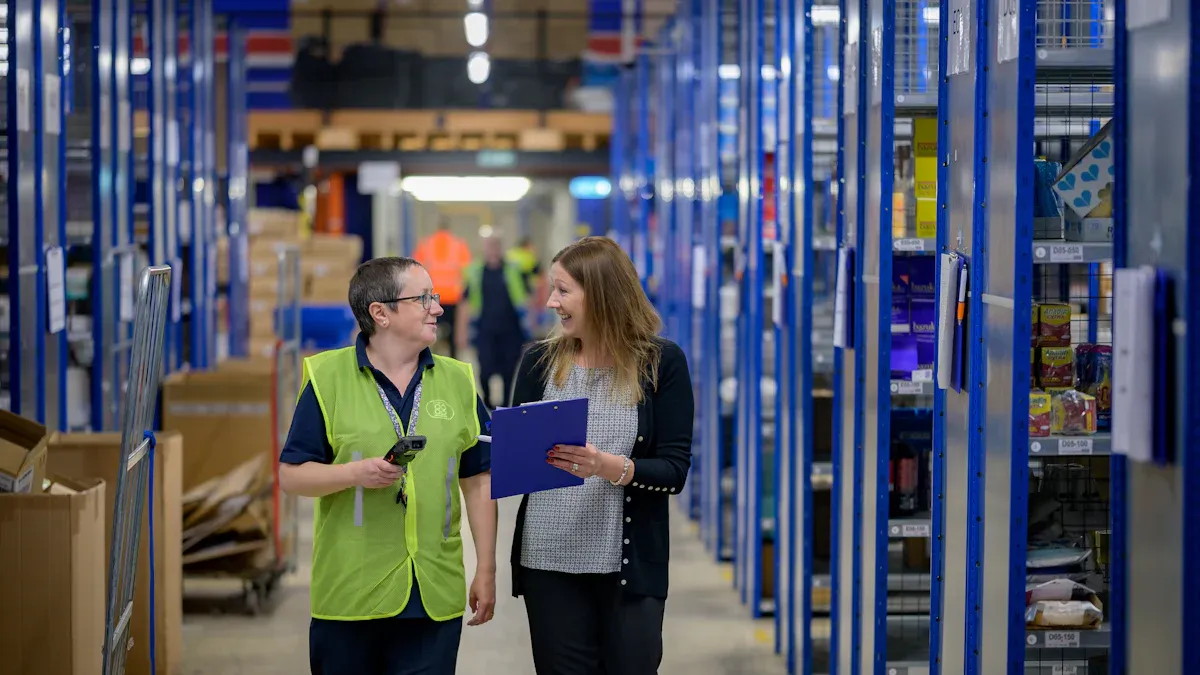
RFID asset tracking lets you do your work faster. You do not have to write down asset details by hand. You also do not need to scan each barcode one at a time. RFID readers like MR7901P, MR7902, and MR7903 from SHENZHEN MARKTRACE CO.,LTD. can scan many tags at once. You can track assets without touching them. This saves time and helps you make fewer mistakes.
RFID asset tracking gives you quick updates about your assets.
Automated tracking lets you spend more time on important work.
You can scan many tags at the same time, even if you cannot see them.
You can watch asset movements as they happen.
"RFID technology lets our staff do more important jobs. They can help customers and plan events. It has changed how our library works."
Faster Audits
RFID asset tracking helps you finish audits much faster. You do not need to walk around and check every asset. RFID readers can scan hundreds of items in just a few seconds. You get quick inventory checks and fast reports. You can see which assets are missing or have moved.
Case Study | Sector | Key Improvements |
|---|---|---|
Seattle Public Library | Public | Efficiency, Error Reduction, Inventory Control |
Ghent University Hospital | Healthcare | Operational Efficiency, Asset Management, Patient Care |
Accuracy and Data Integrity
Reducing Human Error
RFID asset tracking gives you correct data you can trust. RFID readers scan many tags from far away. You do not need to type in data by hand. This means fewer mistakes. You get better results when tracking assets. You can use this in busy places like warehouses and hospitals.
Embedded RFID readers help you avoid making mistakes. You do not miss assets during audits. You always know where your items are. You get clear records every time you scan.
Reliable Records
RFID asset tracking gives you records you can count on. You can see when assets move and who uses them. You get alerts when it is time for maintenance. You can check logs to see who used each asset. You do not have to worry about losing data.
Feature | Benefit |
|---|---|
Calibration Alerts | Makes sure you do maintenance on time and keeps good records. |
Chain-of-Custody Logs | Shows who used tools and where they were for audits. |
Data Integrity | Stops mistakes from typing, so records are more reliable. |
"RFID technology has made our asset management better. It also helps us care for patients by making sure equipment is always ready."
Real-Time Tracking and Visibility
Location Updates
RFID asset tracking lets you see where your assets are right now. You always know the location of your assets. RFID readers like the MR7901P give you updates every second. You can track assets in big buildings or outside. You do not have to guess where things are. You get alerts and can see everything right away.
RFID asset tracking lets you see assets in real time.
You can watch assets as they move from place to place.
You can track asset movements and stop loss.
Movement Monitoring
RFID asset tracking lets you watch assets as they move. RFID readers scan many tags as assets go through doors or loading areas. You get updates about each asset. You can see which assets leave or enter a space. You can stop assets from moving without permission. You can keep your assets safe.
RFID asset tracking makes shipping and sending out items automatic.
You can always see where assets are in warehouses and factories.
You can scan many tags at once and track assets easily.
Active RFID readers like MR7902 and MR7903 can track things from far away. You can watch assets in real time. You get alerts if assets move when they should not. Automated tracking helps your business run well.
Asset Tracking Solutions: Scalability and Flexibility
Adapting to Business Growth
You need asset tracking that grows with your company. RFID technology helps you add more readers or tags as you need. You can start small and make your system bigger later. You do not have to buy everything new. RFID readers help you track assets in one room or many buildings. You get updates right away and can make fast choices. As your business gets bigger, you see your assets better.
Here is a table that shows how RFID helps your business grow:
Feature | Description |
|---|---|
Real-time Tracking | Lets you see assets right away. You can make quick choices and fix problems fast. |
Scalability | Lets you grow from small to big projects. You can use RFID in many places. |
Customizable Dashboards | Shows you important facts about your assets. This helps you work better. |
Automated Alerts | Tells staff when something important happens. This makes tracking smarter. |
You can use asset tracking software for new places. You do not lose control as your company grows. RFID helps you find assets fast, even in busy spots. You can scan many tags at once and keep your records correct.
Integration with Management Systems
RFID works well with your asset management software. You connect RFID readers to your tracking software and ERP. This gives you correct inventory numbers. You can fix mistakes between what you have and what your records say. Your asset management stays strong and trustworthy.
Middleware connects RFID hardware to your asset management software.
It sorts and manages data from RFID readers.
You get easy communication between your RFID system and tracking software.
You can track assets, update records, and plan repairs without extra work. RFID makes asset management easier and more correct. You see your assets better and make smarter choices for your company.
Long-Range and Non-Line-of-Sight Capabilities
RFID readers give you strong tracking power. You do not need to see tags to scan them. You can track assets inside cabinets or behind walls. You scan many tags at once, even if you cannot see them. This helps you manage assets in big spaces.
Here is a table that shows what RFID readers can do:
Capability Type | Description |
|---|---|
Non-line-of-sight | RFID readers scan assets even if you cannot see them. You can track things through cabinets or containers. |
Long-range functionality | UHF RFID modules read tags from far away, like 10 to 15 meters. This helps in big places like factories. |
You use fixed RFID asset management to track items in large areas. You can scan many tags at once and keep your records correct. RFID helps you find assets, even when they are hidden. You do not need to move things to scan them. You see your assets better and save time.
Tip: RFID technology lets you track assets even if you cannot see them. You can scan many tags at once and keep your asset management working well.
Practical Applications of Embedded RFID Readers
Manufacturing and Warehousing
rfid technology is changing how factories and warehouses work. Embedded rfid readers help you track items easily. You use rfid to follow products from start to finish. You can scan hundreds of items in just seconds. This makes your job faster and helps you make fewer mistakes.
You use rfid to manage inventory. You always know what you have and where it is.
You track tools and machines. You do not lose important equipment.
You automate picking and packing orders. You make fewer mistakes when sending items.
You watch each step as products move through the factory.
You use rfid to check quality, especially for food and drinks.
You save time and make fewer errors. Your warehouse is safer and more organized. You can trust your data and make smart choices.
Healthcare Asset Tracking
Hospitals and clinics use rfid readers to track assets better. You find medical equipment quickly and keep records up to date. You put rfid readers in smart places to cover more areas. Nurses and staff spend less time looking for devices. They can help patients more.
Improvement Area | Description |
|---|---|
Equipment Utilization | You find medical equipment faster and use it better. |
Search Time Reduction | You spend less time looking for critical assets. |
Staff Efficiency | You need fewer staff for asset round-ups. Nurses help patients more. |
Cost-Effectiveness | You save money by ordering fewer extra devices and using less labor. |
rfid systems make your work easier. You get alerts when equipment moves or needs fixing. Your hospital runs smoothly.
Methodology | Description |
|---|---|
Maximal Covering Location Problem | You put rfid readers in the best spots for full coverage. |
Coverage Improvement | You improve rfid coverage by 72% compared to older ways. |
Benefit | Description |
|---|---|
Labor Savings | You save staff hours by automating asset management. |
Transaction Oversight | You spend less time watching asset transactions. Your operations run better. |
IT and Office Equipment
You use rfid to track computers, printers, and other office gear. You automate asset tracking and make fewer mistakes. You scan items without touching them. Your inventory stays correct and up to date.
You automate asset tracking. You spend less time and make fewer errors.
You do more audits. You check your inventory more often.
You improve security. You use rfid portals to stop theft and watch asset movement.
Your office stays neat and organized. You always know where your assets are. You make your workplace safer and more efficient.
Tip: rfid readers help you track assets in many places. You save time and keep your records correct.
Transportation and Logistics
Managing assets in transportation and logistics can be hard. You must know where vehicles, packages, and containers are all the time. Embedded RFID readers help you fix these problems. You can track shipments as they move from place to place. You get updates about location and status right away.
RFID readers like MR7901P, MR7902, and MR7903 from SHENZHEN MARKTRACE CO.,LTD. are strong tools for asset tracking. You put these readers in trucks, warehouses, or shipping docks. You scan hundreds of tags in just seconds. You do not need to open boxes or containers. You save time and make fewer mistakes.
You use RFID technology to make your job easier. You do not need to check each item by hand. You get instant data for every asset. You see which packages are on each truck. You know when shipments arrive or leave. You can plan routes and schedules better.
Here are ways embedded RFID readers help in transportation and logistics:
Real-time visibility: You see where every item is right away. You know what is in each shipment. You can answer customer questions fast.
Improved accuracy: You avoid mistakes from checking by hand. RFID readers scan tags automatically. You get correct records for every asset.
Streamlined processes: You do not need to count items by hand. RFID readers find assets as they move. You finish tasks faster and keep things running well.
You can use RFID readers to track vehicles, pallets, and containers. You know when assets enter or leave a place. You get alerts if something moves without permission. You can stop loss and theft.
Many companies use RFID readers to make deliveries faster. You see which trucks are on the road. You know when shipments reach their destination. You can give customers correct updates.
Tip: You can use RFID readers to track assets over long distances. You get updates even if you cannot see the tags. This helps you manage shipments in busy ports, airports, and distribution centers.
You can connect RFID data to your logistics software. You see all your assets in one dashboard. You plan shipments and deliveries with confidence. You make better choices and keep your customers happy.
RFID technology helps you work faster and smarter. You save money by making fewer mistakes and using less labor. You keep your business moving and your assets safe.
Comparing Asset Tracking Methods
RFID vs. Barcode Systems
When you look at rfid and barcode systems, you see they work very differently for asset tracking. rfid lets you scan lots of items at the same time, even if you cannot see the tags. Barcode systems need you to scan each item one by one. You must point the barcode at the scanner. This takes longer and can slow down your job.
rfid tags can hold more information than barcodes. You can keep extra details about each asset. Barcodes only have a little bit of data. rfid tags last longer and work better in rough places. Barcodes can get ruined by water or dirt.
Here is a table that shows the main differences:
Feature | RFID | Barcode |
|---|---|---|
Data Capacity and Storage | Can store more data | Limited by visual representation |
Read Range and Speed | Longer read range, reads multiple tags | Needs line-of-sight, scans one at a time |
Durability and Lifespan | More durable, resists environment | Less durable, wears out |
Accuracy and Reliability | High accuracy, reliable in busy places | Less accurate in tough environments |
Security | Better data security | Fewer security features |
Tip: rfid lets you scan hundreds of items in just seconds. This helps you finish audits and inventory checks much faster.
RFID vs. GPS Tracking
rfid and GPS tracking both help you know where your assets are, but they work in different ways. rfid gives you very exact tracking inside buildings, warehouses, and factories. You can see exactly where each asset is. GPS works best outside and can track vehicles or shipments over long distances.
rfid costs more at first because you need readers, tags, and software. You do not pay much to keep it working. Passive rfid tags last for years and need little care. GPS trackers cost less to start, but you pay monthly fees and must change batteries often.
rfid makes it easy to add more assets. You just add more tags. GPS needs a new phone plan for each tracker, which makes growing harder.
Here is a table to help you compare:
Tracking Method | Accuracy | Cost | Scalability |
|---|---|---|---|
RFID | High indoors, precise location | Higher upfront, low maintenance | Easy to add tags, scales well |
GPS | Best outdoors, global coverage | Lower upfront, ongoing fees | Harder to scale, needs more plans |
Note: rfid is best for tracking assets inside buildings. GPS works better for trucks and shipments on the road.
RFID vs. Manual Tracking
Manual tracking means you write down asset details or use spreadsheets. This way can cause mistakes and slow things down. You might forget to write something or type the wrong number. rfid systems help you avoid these problems. You scan tags automatically and get updates right away.
Manual tracking does not show you where assets are right now. You must look for items and check records by hand. rfid gives you instant updates. You know where every asset is and when it moves.
Here is a table that shows the limits of manual tracking:
Limitation | Description |
|---|---|
Human Error | Prone to mistakes and wrong entries |
Inefficiencies | Slows down work, causes delays |
Lack of Real-Time Visibility | Hard to track assets and use them well |
You save time and make fewer mistakes when you use rfid. You can trust your records and keep your assets safe.
Callout: rfid technology helps you track assets faster and more accurately than manual methods. You spend less time searching and more time working.
Addressing Concerns in RFID Asset Tracking
Cost and Setup Complexity
When you start using rfid for asset tracking, you may wonder about the costs and how hard it is to set up. You need to buy rfid tags, readers, and software. You also pay for installation and training. The price can change based on how many assets you want to track and the type of rfid system you choose. Here is a table that shows the typical costs:
Cost Component | Approximate Cost Range |
|---|---|
RFID Tag Costs | $100 - $50,000 |
Software Costs | $20 - $500 per month |
RFID Implementation Costs | $2,000 - $15,000 |
Ongoing License Costs | $100 - $500 per year |
Maintenance Costs | $1,000 - $10,000 per year |
Total Estimated Implementation | $27,000 |
You can start small and add more rfid tags and readers as your needs grow. Many companies find that rfid saves money over time because it makes tracking faster and helps you avoid mistakes. You spend less time searching for assets and more time working.
Tip: Plan your rfid setup by listing your assets and choosing the right readers for your space. This helps you control costs and get the best results.
Maintenance and Upkeep
You need to keep your rfid system working well. Regular checks help you spot problems early. You clean rfid readers and replace damaged tags. You update your software to get new features and better security. Most rfid systems need little care, but you should set a schedule for maintenance.
Here are some steps you can follow:
Check rfid readers for dust or damage.
Test rfid tags to make sure they work.
Update your asset tracking software.
Train staff to use rfid tools the right way.
You keep your asset tracking smooth when you take care of your rfid system. You also keep your data accuracy high and avoid losing important information.
Note: Good maintenance helps your rfid system last longer and keeps your asset records correct.
Data Security and Privacy
You may worry about data security and privacy when you use rfid. Some people think hackers can scan rfid tags without permission. Others worry about tracking people or exposing private information. You can protect your rfid system by using secure tags and strong passwords. Many rfid tags only store simple codes, not personal details. You can use encryption and control who can read your tags.
Retailers can turn off rfid tags after you buy something. You can also set rules for who can access your asset tracking data. Training your team helps everyone understand how to keep information safe.
Callout: You keep your rfid asset tracking safe by using secure tags, strong passwords, and teaching staff about privacy.
You can trust rfid technology when you use these safety steps. You protect your assets and your business.
Steps to Implement Embedded RFID Asset Tracking
Assessing Needs
You start your rfid journey by looking at what your business needs. You want to make sure you choose the right system for your goals. Here are the steps you should follow:
Define Your Business Requirements
You decide what you want to achieve with rfid tracking. You may want to track equipment, improve inventory, or reduce errors. Write down your main goals.Choose the Right RFID Tags
You pick tags that fit your needs. Passive tags work well for short-range tracking. Active tags help you track items over long distances. Semi-passive tags give you a mix of both.Select the Appropriate RFID Readers
You look at your environment. You may need readers with a long range for big spaces. You may want readers that work well in busy areas. Think about where you will place the readers.Determine the Software Requirements
You check if your software can handle rfid data. You want software that works with your current systems. Make sure it can show you reports and alerts.Test and Optimize the System
You test your rfid setup in a small area. You look for problems and fix them before you use the system everywhere. This helps you avoid mistakes.
Tip: You save time and money when you plan your rfid system before you buy anything.
Choosing Solutions
You need to pick the best rfid solution for your business. You look at different options and compare them. Use the table below to help you decide:
Criteria | Description |
|---|---|
You check if the system gives you good value for the money you spend. | |
Features | You look at what the hardware and software can do. |
Scalability | You see if the system can grow with your business. |
Customer Support | You want help when you set up or use your rfid system. |
Reputation | You read reviews to make sure the system works well for others. |
You look for rfid solutions that fit your needs. You may want readers with long-range scanning or software that gives you real-time updates. You check if the company offers good support. You read what other customers say about the system.
Note: You make a better choice when you compare different rfid solutions before you buy.
Deployment Planning
You get ready to set up your rfid system. You make a plan so everything goes smoothly. You decide where to put your readers and tags. You check if your network can handle the new data. You set up your software to work with your rfid hardware.
You may want to start with one area before you use rfid everywhere. You train your staff so they know how to use the system. You set up a schedule for checking and fixing your rfid equipment.
You map out your building or warehouse.
You mark the best spots for rfid readers.
You set up your software to show you alerts and reports.
You test your system before you use it for all your assets.
Tip: You make your rfid system work better when you plan your setup and train your team.
You follow these steps to make sure your rfid asset tracking works well. You get better data, save time, and keep your business running smoothly.
Staff Training
You need to train your staff to use rfid asset tracking systems well. Good training helps everyone understand how rfid works and how it makes asset management easier. When your team knows how to use rfid readers, you get better results and fewer mistakes.
Start by showing your staff what rfid technology does. Explain how rfid tags store information and how rfid readers collect data. You can use simple examples to help your team see how rfid makes tracking faster and more accurate.
Give your staff hands-on practice with rfid readers. Let them scan rfid tags on real assets. Show them how to check if the rfid reader is working. Teach them how to fix small problems, like cleaning the reader or checking the tag. You can use step-by-step guides to make learning easier.
Use a checklist to help your staff remember important steps:
Check that the rfid reader is on and working.
Scan rfid tags on each asset.
Make sure the rfid data matches the asset list.
Report any missing or damaged rfid tags.
Update asset records after each scan.
You can also use a table to show common rfid tasks and who should do them:
Task | Who Does It | How Often |
|---|---|---|
Scan rfid tags | All staff | Daily |
Check rfid readers | IT team | Weekly |
Replace rfid tags | Maintenance staff | As needed |
Update records | Office staff | After scans |
Give your staff tips to help them use rfid systems better:
Tip: Always keep rfid readers clean. Dust can block signals and make scanning harder.
Note: If an rfid tag does not scan, check if it is damaged or blocked by metal.
Teach your team how to use rfid software. Show them how to see asset locations and check reports. Help them learn how to set alerts for missing assets or needed repairs. You can use short videos or easy guides to explain each part of the rfid system.
Encourage your staff to ask questions about rfid. Hold regular meetings to talk about new rfid features or updates. Give rewards for good rfid use, like finding lost assets or keeping records correct.
You make your asset tracking stronger when your staff knows how to use rfid. Good training helps your business save time and avoid mistakes. Your team will feel confident using rfid readers and software every day.
You can change how you track assets with rfid technology. Embedded rfid readers give you real-time updates and help you find assets fast. You avoid mistakes and keep your records correct. You save time and make your work easier. You can use rfid to watch asset movement and stop loss. You grow your system as your business gets bigger. You keep your assets safe and your data secure.
Here is how rfid helps your business:
Benefit | Description |
|---|---|
Real-time tracking | You see asset locations and movement right away. |
Reduced errors | You use rfid to stop mistakes and equipment failures. |
Increased efficiency | You spend less time tracking assets and save money. |
Improved security | You keep a record of asset movement and stop unauthorized access. |
Scalability | You add more rfid readers and tags as your business grows. |
You can talk to SHENZHEN MARKTRACE CO.,LTD. to learn more about rfid solutions. You should look at your asset tracking needs and see how rfid can help you work better.
Tip: You make your business stronger and more reliable when you use advanced rfid technology.
FAQ
What is rfid and how does it help with asset tracking?
rfid stands for Radio Frequency Identification. You use rfid to track items with small tags. rfid readers scan these tags quickly. You get real-time updates about your assets. This makes your tracking faster and more accurate.
Can you use rfid in different industries?
Yes, you can use rfid in many industries. You see rfid in healthcare, warehouses, offices, and schools. rfid helps you track equipment, supplies, and even people. You improve efficiency and reduce mistakes with rfid technology.
How does rfid work if you cannot see the tag?
rfid does not need a direct line of sight. You place rfid tags on items. rfid readers send radio waves to find these tags, even if they are inside boxes or behind walls. You scan many tags at once.
Is rfid safe for your data?
You keep your data safe with rfid by using secure tags and strong passwords. Most rfid systems only store simple codes. You control who can access your rfid data. You protect your business with good security practices.
How far can rfid readers scan tags?
rfid readers have different ranges. Some rfid readers scan tags from a few centimeters away. Others, like long-range rfid readers, can scan up to 200 meters in open areas. You choose the right rfid reader for your needs.
What are the main benefits of using rfid over barcodes?
rfid lets you scan many items at once. You do not need to see each tag. Barcodes need line of sight and scan one at a time. rfid gives you faster audits, better accuracy, and less manual work.
Can you add more rfid tags as your business grows?
Yes, you can add more rfid tags anytime. You start with a few rfid tags and readers. As your business grows, you add more. rfid systems scale easily. You keep tracking assets without changing your whole system.
Do you need special training to use rfid systems?
You do not need advanced skills to use rfid. You learn how to scan rfid tags and check the data. Most rfid systems have easy software. You train your team with simple guides and practice.
Tip: You get the best results when you keep your rfid readers clean and check your tags often.
- Next>:Embedded RFID Reader Frequency Selection for Different Applications

 2026-04-13
 Blogs
Blogs