The Future of Asset Tracking with RFID: Innovations and Trends
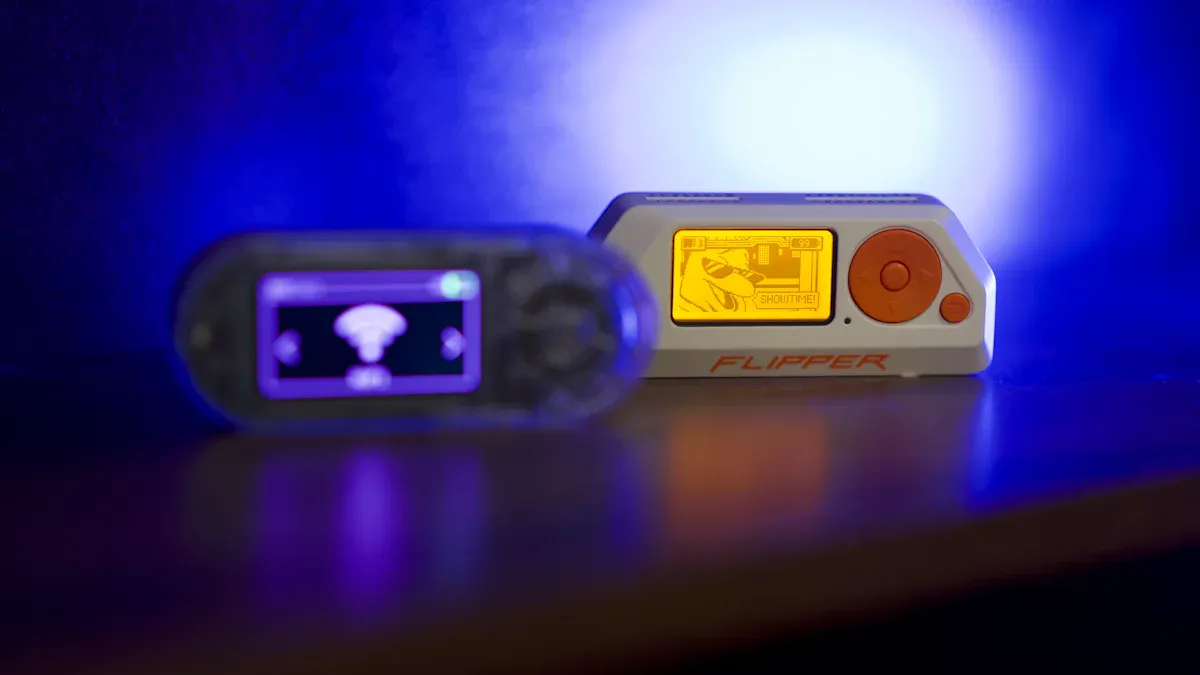
RFID is transforming the way you manage your assets at work. The RFID asset tracking market was valued at USD 3.45 billion in 2023 and is projected to reach USD 7.65 billion by 2032. This significant growth highlights the importance of RFID in the future of asset tracking. With RFID technology, you can instantly monitor your items and achieve inventory counts with over 95% accuracy. Companies like SHENZHEN MARKTRACE CO.,LTD. are dedicated to enhancing your operational efficiency and ensuring the security of your assets every day.
Key Takeaways
RFID technology is changing how we track assets. It makes tracking faster and more correct. Using RFID helps keep inventory right over 95% of the time. It cuts down on mistakes and saves time. Smart tags can check things like temperature. This keeps important items safe. RFID systems show where things are in real time. Businesses can see their assets from anywhere. RFID helps automate work. This lowers labor costs and makes work smoother. Some RFID solutions are good for the planet. They help cut down on waste and use less energy. RFID can be made to fit different industries. Investing in RFID can save a lot of money. It also helps manage assets better.
RFID Asset Tracking Today
How RFID Works
You may ask why rfid tags and asset tracking work well together. The reason is in how radio frequency identification works. An RFID reader sends out a signal. When an RFID tag is near, it answers with its special code. The reader gets this code and sends it to a computer. This lets you track things fast and without touching them.
RFID tags are tiny, wireless tools that use radio waves to hold and send data. The RFID antenna connects the RFID reader and the asset tags. The RFID reader gets the asset data from the RFID tag.
Here is an easy way to see how rfid tags work: 1. The RFID reader sends out a signal. 2. RFID tags answer with their special numbers. 3. The reader sends this to software, which shows where your things are.
You can put RFID tags on many kinds of assets. The system has tags, readers, antennas, software, and networks. Cloud-based rfid systems let you check your data from anywhere.
Key Capabilities
RFID asset tracking gives you strong ways to track assets. You can track many things at once, even if you cannot see them. This makes counting items much faster and more correct than barcodes.
Feature | RFID | Barcode |
|---|---|---|
Accuracy | High | Moderate |
RFID cuts down on manual work, so you make fewer mistakes.
Automation in rfid asset tracking gives you correct data right away.
You can scan lots of tags at once, which saves time and helps you work better.
RFID systems can track things even if you cannot see them.
Safe tags and locked networks keep your data safe.
You get live tracking, so you always know where your things are.
With tools like the RFID Based IT Assets Management Solution from SHENZHEN MARKTRACE CO.,LTD., you can: - Use touch-free RFID automatic ID technology. - Pick different RFID tags for different things. - Check assets right away with handheld readers. - Get asset change info by itself. - Run everything from one main data system.
Industry Use Cases
RFID asset tracking is used in many jobs. Here are some examples:
Healthcare: You can watch medical supplies, making sure important items are always there and keeping patients safe.
Retail: RFID helps you handle inventory in stores, track shipping, and make shopping better.
Manufacturing: You can automate tracking work, tools, and inventory, making things run smoother.
Mining and Metals: RFID tracks gear for safety and repairs.
Telecommunications: You can handle fixed assets needed for communication.
Oil and Gas: RFID helps with shipping and safety in places with expensive items.
Industry | Use Case Description | Measurable Outcomes |
|---|---|---|
Healthcare | Automating asset management to stop theft and loss of hospital assets. | 15% of assets lost each year, better access. |
Manufacturing | Making sure production keeps going by finding tools and parts fast. | Less downtime and better work. |
Telecommunications | Handling fixed assets needed for communication systems. | Fewer problems and lower costs. |
RFID asset tracking is now a big part of shipping, inventory, and asset tracking in many areas. You can see why so many groups pick RFID for their tracking needs.
Innovations in RFID
Smart Tags & Sensors
Environmental Monitoring
Smart tags now do more than show where things are. These tags can check temperature, humidity, and vibration. If you have items that need special care, like medical supplies or electronics, smart tags help you see their condition right away. For example, companies use passive RFID to watch rail wagons and find wheel problems. This helps stop accidents and keeps things working well.
Company | Innovation Description | Link |
|---|---|---|
Voestalpine | Installed a passive RFID solution to monitor rail wagons, detecting wheel defects. | |
CHEP Pallecon | Enabled real-time tracking of returnable containers throughout the supply chain. |
Smart tags help you watch assets all the time. You get alerts if something is wrong, so you can fix it fast and stop losses.
Flexible Designs
Smart tags come in many shapes and sizes now. You can put them on metal, plastic, or fabric. Some tags work well on metal, which was hard before. For example, DENSO uses tags for on-metal electronics and can read them from about 4.5 meters away. Aucxis uses on-metal tags to track audiovisual gear in tough places. These new designs give you more choices and better tracking, no matter what you need to watch.
Company | Innovation Description | Link |
|---|---|---|
DENSO | Adopted tags for on-metal electronics, achieving a read range of ~4.5 m. | |
Aucxis | Deployed on-metal tags for tracking audiovisual equipment in challenging environments. |
You can pick smart tags that fit your needs. This means you see your assets better and track them more accurately.
Advanced Readers
Improved Range
RFID readers are much stronger now. You can scan tags from farther away, which helps you cover big areas fast. Multi-band compatibility lets readers work with different frequencies, so you get better tracking everywhere. High performance with low power means you save energy and still get quick results.
Advancement Type | Description |
|---|---|
Multi-band compatibility | Allows RFID readers to operate across different frequency bands, enhancing range capabilities. |
High performance with low power | Increases reading speed and distance while minimizing energy consumption. |
You can use these readers to automate inventory. This means less counting by hand and lower labor costs. You see asset status and location right away, so you can make fast choices.
RFID technology automates inventory management, reducing manual counts and labor costs.
Provides instant visibility into asset status and location, aiding quick decision-making.
Optimizes space utilization and future capacity planning with real-time data on asset placement.
Facilitates better lifecycle management of IT assets from procurement to decommissioning.
Miniaturization
RFID readers are smaller than ever before. You can use them in tight spots, like inside medical devices or wearables. Miniaturization lets you track things in places that were hard to reach before. Some readers use intelligence and edge computing, so you get real-time data right where you need it.
Advancement Type | Description |
|---|---|
Miniaturization | Enables application in space-constrained environments like medical devices and wearables. |
Intelligence and edge computing | Integrates processing capabilities for real-time data analysis, improving efficiency. |
You can mix RFID with sensors and communication modules. This gives you even more control and visibility over your assets.
Cloud & Data Integration
Real-Time Visibility
Cloud integration changes how you track assets. You can see everything as it happens, no matter where you are. The cloud brings together data from many places, so you get a full view. Real-time sync means you always have the newest info.
Benefit | Description |
|---|---|
Combines data from various tracking technologies | |
Real-time synchronization | Provides instant updates across all connected systems |
Scalable architecture | Supports growing remote workforces |
Having live data in one place lets you track asset locations, watch conditions, and plan maintenance. You can make logistics and operations better with this clear view.
Predictive Insights
You can use advanced analytics to spot problems before they happen. Machine learning helps you find supply chain issues and predict slowdowns. This means you make smarter choices faster.
Benefit | Description |
|---|---|
Advanced analytics | Utilizes machine learning for predictive insights |
Data-driven asset management helps you predict failures and plan maintenance.
You can pick the best routes for assets, making work smoother.
Using predictive analytics helps you make smart choices and save money.
Organizations use AI to study old RFID data for better demand forecasts, which helps keep the right amount of stock and stops shortages or too much inventory.
RFID technology helps find and stop retail losses by catching loss data right away, so you can make plans to lower its effect on inventory and costs.
When RFID data is used with AI, it makes shopping better by looking at buying habits and giving personal suggestions.
You can see every part of your operation. This helps you plan ahead and keep your assets safe.
Sustainable Solutions
You can help the Earth by using rfid for tracking. Many companies now try to make rfid better for the environment. These new ways use less power and make less trash. You will notice a big change when you move from old systems to rfid.
rfid technology means you do not need as many throwaway labels and tags. You use less stuff, so there is less garbage in landfills.
You can see where things are right away. This helps you use things smartly and not waste them.
rfid tags need very little power. This means you use less energy and make less pollution.
You help with recycling and reusing. rfid lets you follow products and use them again.
You can also stop using paper in your work. rfid lets you keep records on computers instead of printing. This saves money and helps save trees.
rfid technology helps you keep better track of your inventory. You only use what you need for things that sell. This means you waste less from the start.
If you want to know how rfid saves money and helps nature, look at these ideas:
Real-time tracking stops you from making or buying too much.
You can check dates and stop food or medicine from going bad.
You always know what you have, so you do not buy extra.
You can use the first-in, first-out rule to keep things fresh.
Sustainable rfid also saves you a lot of money. You can use tags again, which can cut costs by 30%. Many companies find they work better and waste less. Over time, you save money because you throw away less and keep track of things better.
Here is a table that shows how green rfid is different from old systems:
Aspect | Sustainable RFID Solutions | Traditional RFID Systems |
|---|---|---|
Materials | Biodegradable and recyclable materials | Conventional plastics |
Manufacturing Process | Low-impact, energy-efficient processes | High energy consumption |
E-Waste Reduction | Significant reduction in e-waste | Higher e-waste generation |
Cost Savings | Reusable tags lead to lower operational costs | Higher costs due to disposability |
Environmental Compliance | Aligns with global sustainability regulations | Often non-compliant |
You can see that rfid helps you track your things and care for the planet. By making good choices, you help make the world cleaner and greener.
Overcoming RFID Challenges
Legacy Limitations
Some groups do not use rfid for tracking yet. Old systems had problems that made it hard to start. Here is a table that lists the main problems:
Limitation Type | Description |
|---|---|
High initial setup costs | The first cost for RFID can be high, especially for big projects. |
Integration challenges | Adding RFID to old systems can take extra work and changes. |
Read range limitations | RFID may not work well if there are walls, metal, or water in the way. |
Tag collision and data privacy concerns | Too many RFID tags close together can mix up signals and cause problems. |
Interference Issues
RFID can have trouble in places with lots of metal or noise. Metal shelves, water, or other electronics can block signals. This makes it hard to track things right. Tag collision happens when many tags answer at once, and the reader gets confused.
Security Concerns
Security is also a problem. Some old rfid systems did not keep data safe. If someone listened to the signal, they could get private info about your things. When many tags are close, it is easier for others to pick up signals. This made people worry about privacy.
Modern Solutions
Now, new technology fixes these problems. RFID is more reliable and safer for tracking today.
Enhanced Security
Modern rfid uses strong codes to protect your data. Only people with permission can see your asset info. Anti-collision methods, like time-division and frequency hopping, help tags answer one at a time. This keeps your tracking right and stops data mix-ups.
You can also stop interference by planning your rfid setup well. Keep equipment away from things that cause noise. Use shields if you need them. Make sure your tags and readers match. Test them together to see if they work right.
Scalability
Scalable rfid helps your group grow. You can track more things and still be correct. Real-time data gives you updates right away. Automated tracking means fewer mistakes and better planning.
RFID tracking gives you real-time data, so you work better.
It automates tracking, so you make fewer mistakes.
RFID counts your items as they move, so you always know what you have.
Real-time updates help you order on time and waste less.
When you use scalable rfid, you plan better and lose fewer things. This helps your group handle assets well as you get bigger.
Future of Asset Tracking

Automation & AI
In the future, asset tracking will use more automation and smart systems. AI platforms will do updates for you. This means you will make fewer mistakes and have less work. These systems will watch your assets and tell you about their condition. You will get alerts before problems start, so you can fix things early and stop downtime.
AI will do updates and help stop mistakes.
RFID will tell you when to fix or replace items.
Predictive alerts will warn you before something breaks, so you can stop losses.
You can trust these new systems to keep your tracking right and current. This change will help you save both time and money.
Real-Time Monitoring
RFID and AI together give you real-time data about your assets. This mix lets you see what you own and where it is. You will see many good things from this.
Benefit | Description |
|---|---|
Automates inventory, lowers labor costs, and makes records better. | |
Real-time visibility and reporting | Gives instant updates on assets, so you can decide fast and report right. |
Improved capacity planning | Helps you use space well and plan for new equipment. |
Enhanced lifecycle management | Tracks assets from start to end, helping with repairs and performance. |
Integration with DCIM tools | Shows the whole data center, making planning and resource use better. |
Real-time data helps you make smarter choices. You can plan for growth, use space well, and keep your assets working longer.
Ambient IoT Integration
Ambient IoT will change how you use RFID for tracking. This tech lets devices work without batteries by using energy from around them. You will need less maintenance and spend less money. These systems will also help you work in a greener way.
Ambient IoT gives you real-time tracking and automation.
Devices can work without batteries, so there is less waste and fewer changes.
You can grow your tracking system easily and keep costs down.
This way helps you work better and care for the environment.
AI & Machine Learning
AI and machine learning will help you see patterns in your tracking data. These tools will find trends and tell you what you need before you ask. You will get smarter alerts and plan better for your assets.
Blockchain Authentication
Blockchain will make your tracking system even safer. You can use it to make sure all asset records are safe and cannot be changed. This tech will help you trust your data and keep your assets safe.
The future of asset tracking will be smarter, faster, and more reliable. These changes will help you manage your assets with confidence and ease.
Edge & Mobile Computing
Edge and mobile computing make asset tracking smarter and faster. Edge computing means data is handled close to where it is collected. This is not done far away in a big data center. You get real-time information about your assets. You can make quick choices because you do not wait for data to travel far.
Here are some ways edge and mobile computing help you:
You get real-time data, so you can act fast when things change.
Decentralized computing spreads work across many devices, making your system grow easily.
Low latency means your tracking system answers quickly and correctly.
You can use nearby edge nodes to do hard jobs, which saves resources and keeps your network from getting too busy.
Distributed processing makes your system more reliable, even if one part has a problem.
Fleet managers can see how assets work and find ways to improve.
Mobile computing lets you use handheld RFID readers and smartphones to track assets anywhere. You can scan items in the field, in a warehouse, or while moving. This flexibility helps you keep track of assets in real time, no matter where you are. You can also use mobile apps to get alerts, check inventory, and update records right away.
Edge and mobile computing help you track assets with speed and flexibility. You can make better choices and keep your work running smoothly.
Custom Solutions
Every industry has its own needs. Custom RFID solutions help you meet these needs by offering special tags, readers, and software. You can pick the right tools for your workplace, whether it is a hospital, a factory, or a store.
Here is a table showing how different industries use custom RFID solutions:
Industry | RFID Solution Description |
|---|---|
Aerospace | Better tracking and following rules for aerospace parts, making asset tracking and work more efficient. |
Defense | Safe asset tracking and access control, helping with responsibility and moving things in defense work. |
Electronics | Making the supply chain better and tracking products, lowering inventory mistakes and working better. |
Pharmaceuticals | Seeing inventory and following rules, making sure products are tracked and patients are safer. |
Biotech | Strong quality checks and following rules for sensitive materials. |
Logistics | Better tracking and making supply chain work smoother. |
Retail | Better inventory management and happier customers by tracking products on shelves. |
You can also find custom RFID tags for many situations:
Tags for non-metal things, like paper or plastic items.
Tags that work inside metal objects, which used to be hard to track.
Tags made for tough places, such as areas with high heat or radiation.
Food-safe and flame-resistant tags for special jobs.
In the car industry, you can use custom RFID tags to track parts from the supplier to the assembly line. This helps you check quality, stop recalls, and follow rules. In healthcare, RFID can cut medicine mistakes in half, making hospitals safer and work better.
Custom RFID solutions let you build a tracking system that fits your exact needs. You get better control, more safety, and higher efficiency in your work.
Business Impact of RFID
Efficiency & Cost Savings
You want your business to run smoothly and save money. RFID helps you do both. When you use RFID for asset tracking, you can find items quickly. You do not need to spend hours searching for missing equipment. This saves time and lets your team focus on important work.
RFID systems reduce mistakes. You scan many items at once, so you do not miss anything. You also cut down on manual work. This means you need fewer people to count and record items. Your business saves money on labor costs.
You also protect your assets. RFID alerts you if something moves without permission. You can stop loss and theft before they happen. Over time, you see a strong return on your investment. You spend less on lost items and wasted time.
Tip: Automating asset tracking with RFID helps you avoid costly errors and keeps your business running at its best.
Supply Chain Transparency
You need to know where your products are at all times. RFID gives you real-time visibility into your supply chain. You can track goods as they move from one place to another. This helps you spot delays and fix problems fast.
Here are some ways RFID improves supply chain transparency:
You see the exact location of products at every step.
You track items as they move, so you know if something goes missing.
You reduce the risk of loss and theft by monitoring goods closely.
RFID makes it easy to follow each item from start to finish. You can answer customer questions about delivery times. You also build trust with your partners because you share accurate tracking information.
Benefit | How RFID Helps You |
|---|---|
Real-time visibility | Know where products are anytime |
Asset tracking | Monitor goods and reduce losses |
Better communication | Share updates with your partners |
Compliance Trends
Many industries have strict rules about tracking and reporting. RFID helps you meet these rules. You can prove where your assets have been and who used them. This is important for industries like healthcare, food, and electronics.
RFID supports compliance by:
Recording every move your assets make.
Storing data that shows you followed the rules.
Helping you pass audits with clear records.
You do not have to worry about missing paperwork. RFID keeps your records up to date. You can show proof of compliance whenever needed. This protects your business from fines and keeps your reputation strong.
Note: Using RFID for asset tracking helps you stay ahead of changing rules and keeps your business safe.
Adopting RFID Solutions
Assessing Needs
You should start by looking at what you want to achieve with tracking. Think about the types of assets you need to monitor. Ask yourself where these items move and how often you need updates. Some environments, like warehouses or hospitals, have special needs. You may need tags that work on metal or in high temperatures. Write down your goals. This helps you pick the right tools and plan your project.
Tip: Make a list of your most valuable items. Decide which ones need the most attention. This step helps you focus your efforts and budget.
Choosing the Right System
Picking the best RFID system means looking at your needs and your workplace. You want equipment that fits your environment. Some tags work better in wet or metal-heavy areas. Others are best for paper or plastic items. You should also think about how the system will work with your current software. Good integration means you get more value from your tracking.
Here is a simple checklist to help you choose:
Choose RFID tags and readers that match your business needs and environment.
Make sure the RFID system works well with your current asset management software.
Set up and deploy RFID tags using smartphones or tablets for easy setup.
Place readers and antennas in the best spots for strong performance.
Use secure channels and encryption to keep your information safe.
Plan for interference from metal or liquids by testing placements.
Train your staff so they can use and fix the system when needed.
You can use this list to guide your decisions. Each step helps you avoid problems and get the most from your investment.
Planning for Growth
You want your tracking system to grow with your business. Start by choosing a system that can handle more items as you expand. Look for solutions that let you add new tags and readers without big changes. Cloud-based systems make it easy to manage data from many places. You can also use mobile devices to track items in the field.
Note: Training your team is important. When everyone knows how to use the system, you get better results and fewer mistakes.
Think about the future. Your needs may change as your business grows. Pick a system that lets you add new features or connect with other tools. This way, your asset tracking stays strong and useful for years.
You have seen how smart tags, cloud data, and automation drive the future of asset tracking. These trends help you work faster and keep your assets safe. To prepare for the future of asset tracking, review your current process, learn about new tools, and plan for easy upgrades. Stay updated, and you will lead the future of asset tracking. Remember, rfid is a smart investment for your IT assets.
FAQ
What is RFID asset tracking?
RFID asset tracking uses radio waves to find and manage items. You attach RFID tags to your assets. RFID readers scan these tags. You see where your items are in real time.
How does RFID improve inventory accuracy?
RFID scans many items at once. You do not need to see each tag. This reduces mistakes and gives you accurate counts. You save time and avoid missing items.
Can RFID work in tough environments?
Yes. You can use special RFID tags for metal, heat, or wet areas. These tags keep working in harsh places. You choose the right tag for your needs.
Is RFID secure for my business?
RFID uses encrypted data and secure networks. You control who can see your asset information. Modern systems protect your data from unwanted access.
How do I start using RFID for asset tracking?
You list your assets and choose the right tags and readers. You set up the system and train your team. Many companies, like SHENZHEN MARKTRACE CO.,LTD., offer support for setup.
What types of assets can I track with RFID?
You can track computers, tools, medical devices, inventory, and more. RFID works for many asset types in offices, warehouses, and hospitals.
Does RFID help with compliance?
Yes. RFID records every asset move. You get clear reports for audits. This helps you meet industry rules and keep good records.
Tip: Review your needs before choosing an RFID solution. The right system saves you time and money.
- Next>:Exploring the Benefits of Active RFID Solutions for Real-Time Asset Tracking

 2026-04-27
 Blogs
Blogs