
Custom Embedded RFID Readers: When Standard Modules Are Not Enough
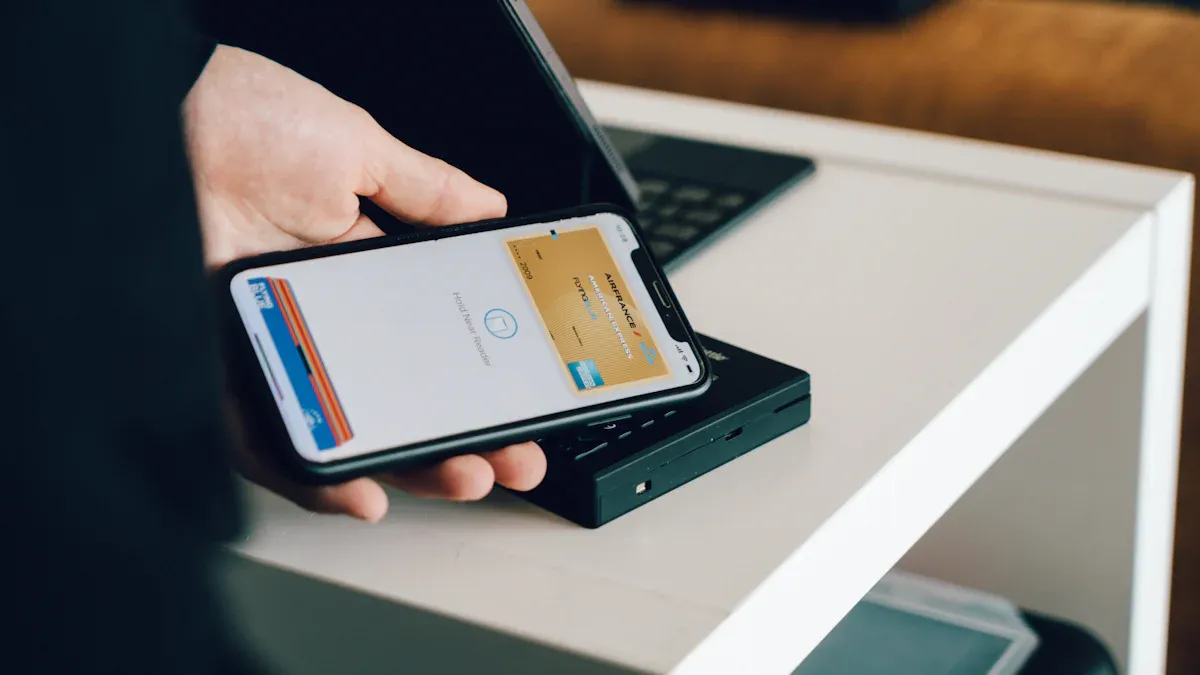
You might see that regular RFID modules do not do everything you want. Some jobs need custom embedded rfid readers because you have special problems. These problems can be fitting into odd shapes, needing better performance, or working well with your current systems. Many experts pick custom embedded rfid readers for these reasons:
You get Java and C# SDKs, so setup is quick.
Example code and guides help you connect things better.
Good performance keeps your data moving without trouble.
APIs and SDKs match your software, so you do not get errors.
You spend more time making new things and less time fixing hardware.
Custom embedded rfid readers help you break limits and reach your goals in radio-frequency identification projects.
Key Takeaways
Custom embedded RFID readers fix special problems that standard modules cannot. They can fit into odd shapes and work better in some cases. Using custom solutions lets you set up quickly with Java and C# SDKs. This makes it easier to connect and helps stop mistakes. Custom readers work better. They process data faster and read from farther away, even in tough places. Think about what your project needs, like size, interface choices, and the environment, before picking an RFID solution. Following the rules is very important. Make sure your custom RFID reader meets local laws. This helps you avoid legal trouble and keeps it working right. Buying custom RFID technology can help track assets, do predictive maintenance, and make supply chains better. This can help your business do better than others. Be ready for the costs and time needed to make custom RFID readers. They usually need more resources than standard modules. Regular care and updates are needed to keep your RFID system working well and to meet new needs.
Standard Module Limits

When you use regular RFID modules, you can run into problems. These problems can slow down your work or make it hard to finish your project. The problems can be with the shape of the module or how it connects to your system.
Physical And Interface Constraints
Size And Form Factor
Most standard RFID modules are only made in certain shapes and sizes. This makes it tough to fit them into your product if you need a thin or curved design. Many modules are big or have sharp edges, so they do not fit well in small gadgets or special cases. If you want to make a wearable device or a tool with little space, it can be hard to find a module that fits.
Note: Where you use your RFID system can change how well it works. Metal, water, and other signals can make it harder for the system to read tags. You might need special tags or extra covers to fix these problems.
Interface Options
Most standard modules only work with a few types of connections, like UART, USB, or SPI. If your system uses something different, you may need to buy adapters or converters. This can cost more money and make things more complicated. Some modules do not have extra features, like custom GPIOs or power management, which you might need for your project.
Constraint Type | Description |
|---|---|
Environmental Interference | Metal, water, and noise can make RFID reading worse. |
Tag Performance | Regular tags may not work near metal and need special designs. |
Durability | Tags can fall off or break, so you may need stronger covers or materials. |
Performance And Integration Gaps
Read Range
You might want your RFID system to read tags from far away, but regular modules have limits. How far you can read depends on the tag size, antenna, and where you use it. Bigger tags can sometimes be read from 100 feet, but most of the time, the range is much shorter. If you need to read tags through walls or in busy places, regular modules might not work well. How well a rain rfid reader works also depends on where you put the tag and what is around it.
System Compatibility
You may want to connect your RFID module to an old system. This can cause trouble. Old systems often use data formats that do not match new RFID data. Old hardware or ways of connecting can stop your RFID reader from talking to your main system. Some old software does not have places for RFID data, so you cannot use all the features.
Performance Gap | Description |
|---|---|
Old systems may not take in RFID data. | |
Hardware Communication Barriers | Old hardware or ways of connecting can block RFID use. |
Software Limitations | Old systems may not have spots for RFID data. |
You should think about these problems before picking a standard module. If your project has special needs, you might want to try custom solutions that give you more control and better results.
When to Choose Custom Embedded RFID Readers
Unique Form Factors
You may need a custom embedded rfid reader when your device has a special shape or size. Many products today are small or have unique designs. Standard rfid modules often do not fit well in these cases. You might want to put an rfid reader inside a curved tool, a thin wearable, or a device with little space. The location of the rfid module matters. If you place it in the wrong spot, users may find it hard to scan tags. Sometimes, you can use an external antenna to help the reader work better. This can solve problems with reading distance. You also need to think about certification. Using a module or a finished reader can change the rules and costs for your project.
Tip: Always plan where you will put the rfid reader in your device. Good placement makes scanning easier and improves user experience.
Advanced Performance Needs
Some jobs need more power than standard rfid modules can give. You may want to read tags from far away or in tough places. A rain rfid reader can help you track many items at once in a warehouse or a busy store. You might need fast reading speed or the ability to handle lots of data. Custom readers let you choose the right antenna, power level, and features for your needs. This means you can get better results in your application. For example, in a hospital, you may need to track equipment quickly and without errors. In a factory, you may want to read tags even when there is metal or water nearby.
Specialized Integration
You may have a system that uses special software or hardware. Standard rfid modules may not connect well with your setup. A custom embedded rfid reader can match your system’s needs. You can pick the right interface, such as Ethernet, Wi-Fi, or Bluetooth. You can also add features like custom GPIOs or special power options. This helps your rfid reader work smoothly with your other devices. Many industries, such as healthcare, logistics, and retail, need this kind of special integration. You can make your system faster and more reliable by choosing a custom solution.
Regulatory Or Environmental Demands
You might have to follow strict rules when using RFID in your project. These rules are made by different countries and regions. They make sure RFID systems work well and do not mess up other devices. You must follow these rules to stay out of legal trouble and keep your system working right.
Many countries only let RFID readers use certain frequency bands. If you want your product to work everywhere, you need a reader that fits these rules.
Some places have extra rules for power and signal strength. These rules stop your RFID from bothering other wireless systems.
If you break these rules, you could get fined or your system might not work.
You also need to think about where you will use your RFID reader. Some places have lots of metal, water, or electronic noise. These things can make it hard for a normal reader to work. You may need a custom design to handle these tough spots.
Factories have machines and metal racks that block signals. You need a reader that can work around these things.
Hospitals have special equipment. Your RFID system must not mess with medical devices.
Outside, there is dust, rain, and hot or cold weather. A custom reader can keep working in these places.
RFID technology helps you turn real items into data. This makes it easier to track products, manage supply chains, and help with recycling. You can use a smart and strong rain rfid reader to meet both rule and environment needs. When you add rain rfid to your system, you get better control and more reliable results, even in hard places.
Tip: Always check the RFID rules in your country before you start. This step can save you time and money later.
Advantages of Custom Embedded RFID Readers
Tailored Hardware And Firmware
You can do more things with custom embedded RFID readers. Custom solutions let you pick the hardware and firmware you want. For example, you can choose a special microcontroller, a different antenna, or a certain memory type. Some custom RFID devices use advanced chips like the STM32MP151AAD3 SoC. This chip gives you strong and flexible processing power. You can also add a single chip reader, like the ST25RU3980, to make your RFID better.
Custom firmware lets you control how your RFID reader works. You can write C programs for the microcontroller. You can also make special drivers for the RFID reader chip. This means your device will do exactly what you need. You do not have to use features you do not want. You can focus on what is important for your project.
When you change both hardware and firmware, your RFID system gets smarter and more reliable. You can do special jobs, like tracking animals or managing inventory in hard places.
Many customers say custom RFID readers give them more choices. They think product quality and reliability are very high. They also say these readers fit their needs better than standard modules. You can use many types of tags and use your reader in many places. This kind of customization is hard to get with regular products.
Custom hardware and firmware help you get the best from RFID. You can build a system that fits your business, your place, and your goals.
Competitive Edge
You want your business to be different from others. Custom embedded RFID readers help you do this. These readers give you special tools that standard modules do not have. You can track your things, make your work easier, and choose better ways to do things. When you pick a custom solution, you get features that match what you need. This gives you a big advantage over people who use regular products.
Here is a table that shows how custom embedded RFID readers help you stay ahead:
Description | |
|---|---|
Enhanced Asset Tracking | You can always see where your things are. This helps you use them better and stop theft. |
Predictive Maintenance | You can look at data from RFID tags. This helps you know when something might break and fix it early. |
Supply Chain Optimization | You can manage your stock and shipping easily. This saves money and stops mistakes. |
Automation and Workflow Efficiency | RFID readers check items for you. This makes work faster and easier. |
Data Analytics and Insights | You get lots of data. You can use it to plan and make your business better. |
Let’s look at these advantages more closely:
Enhanced Asset Tracking
You always know where your things are. This helps you use your equipment well and stop people from stealing. You do not have to guess. You get updates right away.Predictive Maintenance
You collect data from your RFID system. This helps you see when a machine might break. You can fix problems before they happen. Your business keeps running without trouble.Supply Chain Optimization
You can keep track of your stock with less work. RFID readers help you move products quickly and make fewer mistakes. You save money because you do not lose items.Automation and Workflow Efficiency
You do not need to check things by hand. RFID readers do this job for you. Your team works faster and can do other tasks.Data Analytics and Insights
You get lots of information from your RFID system. You can find patterns and make smart choices. This helps you plan and make your business better.
Tip: When you use custom embedded RFID readers, you can change your system as your business grows. You can add new features or change settings to fit new needs. This helps you stay ahead of others.
Custom embedded RFID readers give you more than just new technology. They help you work better, save money, and make good choices. You can be a leader in your field by using tools that match your goals. If you want to stay ahead, think about how a custom RFID solution can help you win.
Challenges And Considerations
If you want to make a custom embedded rfid reader, you will face some problems. You have to think about how hard it is to build, how much money you need, and how you will keep your system working. These things can change if your project works well and if you spend too much.
Development Complexity
Making a custom rfid reader is not simple. There are many technical steps. You must design the RF circuit. This means you match impedance, lower noise, and filter signals. You also need to support different protocols. You must follow ISO rules for reading many tags and for encryption. Getting certified is another big job. It can take three to six months and cost between $10,000 and $50,000.
Challenge | Complexity |
|---|---|
RF Circuit Design | Involves impedance matching, noise reduction, and signal filtering. |
Protocol Support | Requires implementation of ISO standards for multi-tag reads and encryption. |
Certification | A lengthy process (3–6 months) that can be expensive (10k–50k). |
Tip: Plan for extra time and money when you start a custom rfid project. Testing and getting certified can take longer than you think.
Cost And Time
You should think about money before you build a custom rfid reader. Custom readers usually cost more than standard modules. You pay more for design, testing, and getting certified. You also spend more time. Making a custom reader can take weeks or months. For example, making a sample can take about four weeks. Standard modules cost less and are faster to use.
Aspect | Custom Embedded RFID Readers | Standard Modules |
|---|---|---|
Development Costs | Generally higher | Lower |
Development Timelines | Generally longer | Shorter |
Sample Development Time | N/A |
If you want to save money, you may need a standard module. Custom readers have more features, but they cost more. You must choose what is best for your needs and your budget. If you change your design, you may pay more and wait longer.
Note: Set a clear budget for your rfid project. Track every cost, like design, testing, certification, and changes. This helps you avoid surprise costs.
Support And Maintenance
After you finish your rfid reader, you must keep it working. You may have high costs to set it up. You need to change your IT systems to use rfid data. You may need special software and middleware. This can cost more, especially if your business is complex.
Challenge Type | Description |
|---|---|
High Implementation Costs | Adapting existing IT infrastructure to work with RFID data requires custom software development, which can be costly and time-consuming. Middleware development for data exchange between RFID hardware and software applications adds to the costs. |
Ongoing Maintenance Requirements | Regular maintenance of RFID infrastructure is essential to avoid downtimes. This includes calibration, testing, and repair of hardware components, which can degrade over time. The need for software updates and addressing technological obsolescence further increases maintenance costs. |
You also need to keep your rfid system in good shape. You must test, calibrate, and fix hardware. Software updates are important too. If you do not do this, your system may stop working and cost you more. Small businesses may find these costs hard to pay.
Tip: Plan for regular maintenance and updates. This keeps your rain rfid reader working well and helps you avoid extra costs.
Custom embedded rfid readers have many good points, but you must know the cost and work needed. Good planning helps you handle hard steps, money, and keeping things working. You can make smart choices and keep your rfid system running well.
Custom Reader Design Steps
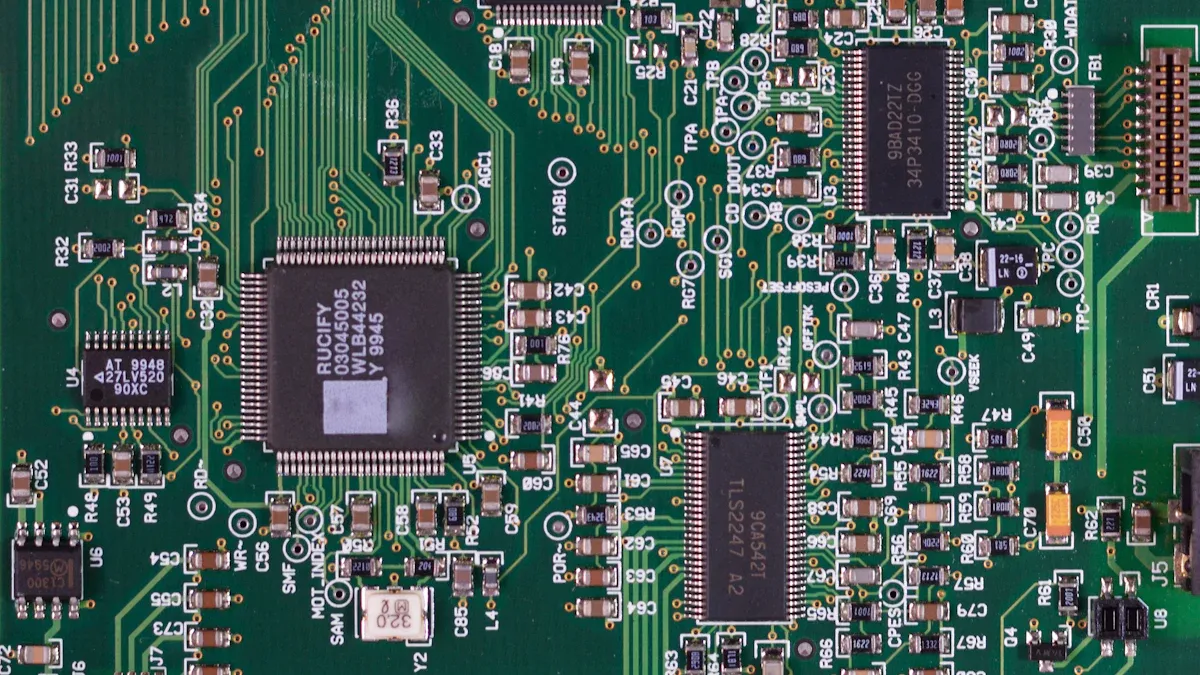
Define Requirements
You need to start your custom rfid reader design by understanding what your business needs. This step helps you avoid mistakes and build a system that works well. Follow these steps to define your requirements:
Write down your business goals. Decide what you want your rfid system to do, such as tracking items or improving security.
Pick the right rfid tags. Choose tags that fit your environment and the things you want to track.
Select the best rfid readers. Look for readers that match your range and performance needs.
List your software needs. Think about how you will collect and use data from your rfid system.
Plan to test and improve your system. Make changes if you find problems during testing.
Tip: Clear requirements make your custom rfid reader design easier and faster.
Select Partners
Choosing the right partners is important for a successful custom rfid reader design. You want experts who understand your needs and can help you build a strong system. Use these steps to pick your partners:
Study your requirements with your partner. Make sure they know what you want from your rfid system.
Try a proof of concept. Test ideas and see if the technology works for you.
Check if your partner has global connections. This helps you get good equipment and parts.
Make sure your partner offers a full solution. They should have skills in hardware, software, and support.
Ask for training for your team. Good partners teach you how to use the equipment and keep your system running.
You can look at companies like SHENZHEN MARKTRACE CO.,LTD., GAO RFID, ThingMagic, HID Global, and JADAK. These companies offer developer kits and resources to help you start your custom rfid reader design.
Prototype And Test
Building a prototype lets you see how your custom rfid reader design works in real life. Testing helps you find problems and make your system better. Here are some best practices for prototyping and testing:
Boost your signal and optimize range. Use high-quality antennas and place tags in the best spots.
Make your rfid system secure. Add encrypted communication and strong authentication to protect your data.
Try custom applications. Use sensor tags, anti-collision strategies, and connect your system to IoT devices for more features.
Note: Testing helps you fix problems early and build a reliable rfid system.
Here is a table showing how SHENZHEN MARKTRACE CO.,LTD. readers compare to other advanced solutions:
Model | Range of Operation | Key Advantage |
|---|---|---|
MR6211E | Long-range | Optimized for large jobs and efficient scanning. |
MR6221E | Medium-range | Suitable for versatile applications. |
MR6261E | Short-range | Ideal for close-range tasks. |
You can use these steps to guide your custom rfid reader design. Good planning, strong partners, and careful testing help you build a system that meets your needs.
Certification And Production
You need to make sure your custom embedded RFID reader meets all rules before you can sell or use it. Certification is a key step. It proves your device works safely and does not cause problems for other equipment. Each country has its own rules. You must follow them to avoid delays or fines.
Here is a simple table that shows the main steps for getting certified in a regulated market like India:
Step | Description |
|---|---|
1. Product Testing | Test your device at an approved lab. The lab checks if your reader follows local frequency rules. |
2. Online Application | Send your test reports and documents through the official portal. |
3. Scrutiny by WPC | Officials check your papers. They may ask questions if they need more details. |
4. Grant of ETA Certificate | If you pass, you get a certificate. This lets you use and sell your reader in that country. |
You must also think about special rules for certain industries. For example, healthcare needs extra safety checks. Hospitals use life-saving machines. Your RFID reader must not interfere with them. Aviation has strict rules too. Planes use many radios and navigation tools. Your device must not cause any trouble. In the automotive world, cars have lots of electronics. Your reader must work well with these systems and not cause errors.
Tip: Always check the rules for your target industry before you start production. This saves time and money.
After you get your certificate, you can move to production. Choose a factory that knows how to build RFID devices. Make sure they follow quality rules. You want every reader to work the same way. Test samples from each batch. This helps you catch problems early.
You can look at advanced solutions from SHENZHEN MARKTRACE CO.,LTD., like the MR6211E, MR6221E, and MR6261E UHF RFID Readers. These models show what good design and strong production look like. Other companies, such as GAO RFID, ThingMagic, HID Global, and JADAK, also offer support and developer kits. These resources help you get your product ready for the market.
You should plan for regular updates. Rules can change. Your reader may need new tests or software changes. Stay in touch with your partners and keep learning about new standards. This helps your RFID system stay safe and legal.
Industry Resources And Support
Vendor Ecosystem
You need a strong vendor ecosystem when you build custom embedded rfid readers. The world of rfid technology keeps changing. You see more companies working together to make flexible and scalable solutions. In retail, for example, everyone must adapt to new ways of tracking and managing products. This means you get more choices and better support for your projects.
The rfid ecosystem has many important players. Inlay manufacturers make the tiny chips and antennas. Service bureaus help you print and program tags. Reader OEMs design and build the readers you use. RFID SaaS and solution integrators connect your hardware to software and cloud systems. Enterprise systems help you manage all your data. Each group plays a key role. When they work together, you get a system that fits your needs.
You see the industry moving away from just hardware. Now, companies focus on building strong partnerships. This helps you find custom solutions faster and with less risk.
Reference Designs
Reference designs help you start your custom rfid project. These designs show you how to build and test your own reader. You can use them to learn about circuit layouts, antennas, and software. Many vendors share these designs to help you save time and avoid mistakes.
You find boards and kits that let you try new ideas. Some kits come with sample firmware and user guides. You can change the code to fit your needs. This makes it easier to build a reader that works for your business. You also get support for testing and debugging. Reference designs give you a strong base for your project.
Community And Technical Help
You do not have to work alone when you build with rfid. Many online communities and technical resources can help you. You find forums, user manuals, and open-source code. These tools make it easier to solve problems and learn new skills.
Feature/Resource | Description |
|---|---|
STEVAL-25R200SA Board | A board for custom NFC features. It comes with firmware and a GUI for easy setup. |
Firmware Source | You can get firmware for custom apps from STSW-ST25R020. |
PC GUI | The board uses a PC GUI with demo features for fast prototyping. |
User Manual | The manual (UM3364) gives step-by-step help for using the kit. |
You can ask questions in forums or read guides to fix issues. Many people share their tips and code. This support helps you finish your rfid project faster and with fewer errors.
Tip: Use online resources and join rfid communities. You will learn faster and solve problems with help from others.
You have to think about a few things before picking a standard module or a custom embedded RFID reader. The table below shows the most important things to check:
Factor | Description |
|---|---|
Integrated Circuit | The chip decides which tags you can use. |
Memory Capacity | More memory means you can keep more data. |
Read Range | Choose a reader that works for your distance needs. |
Operating Frequency | Make sure the reader matches your system’s frequency. |
Security Features | Some readers keep your data safe with encryption. |
Cost | Extra features usually make the price higher. |
It is smart to listen to experts when planning your rfid project:
Draw and write down your hardware setup.
Check that your new system works with your old software.
Get help from experts to choose the best tags and hardware.
Test your location to pick the right system.
You can reach your goals by working with trusted partners like SHENZHEN MARKTRACE CO.,LTD.
FAQ
What is a custom embedded RFID reader?
A custom embedded RFID reader is a device you design for your own needs. You choose the size, features, and how it connects. This helps you solve special problems that standard readers cannot fix.
When should you pick a custom RFID reader?
You should pick a custom RFID reader when your project needs a special shape, better performance, or unique features. Custom readers work well in tough places or when you need to follow strict rules.
How do you start designing a custom RFID reader?
You start by writing down your needs. You pick the right tags, choose a reader, and plan your software. You work with experts and test your design before making many units.
What industries use custom RFID readers?
Many industries use custom RFID readers. You see them in healthcare, retail, logistics, factories, and smart buildings. These readers help track items, improve safety, and make work faster.
Do custom RFID readers cost more than standard modules?
Yes, custom RFID readers usually cost more. You pay for design, testing, and making sure they follow rules. You also spend more time building them. The extra cost gives you better results for your project.
Can you use custom RFID readers with old systems?
You can use custom RFID readers with old systems. You may need special software or adapters. Experts can help you connect your new reader to your old setup.
What support do you get for custom RFID readers?
You get help from vendors, online guides, and user forums. Many companies offer training, manuals, and developer kits. You can ask questions and get answers from experts.
How do you keep your custom RFID reader working well?
You should test your reader often. Update the software when needed. Clean the device and check for damage. Good care helps your RFID reader last longer and work better.
- Next>:How to Choose the Right Embedded RFID Reader for Your Project

 2026-04-14
 Blogs
Blogs