
Which RFID manufacturer offers customizable firmware?
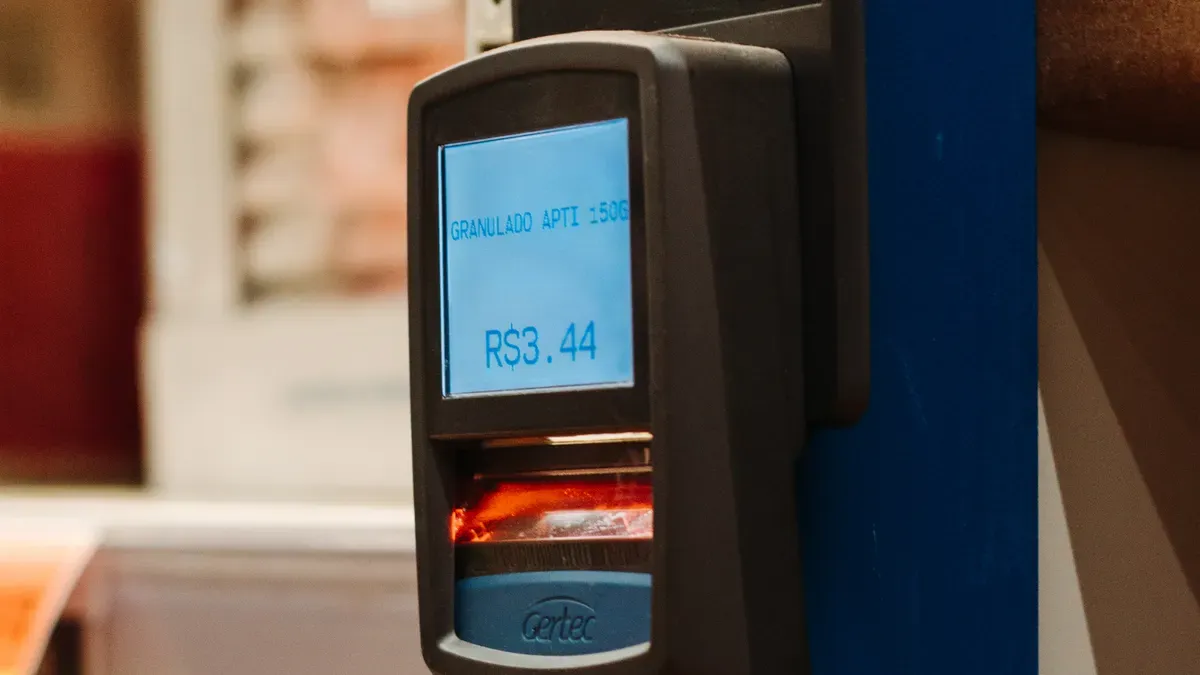
Finding the right RFID manufacturer with customizable firmware helps you unlock specialized hardware performance. Top companies like MarktraceRFID, Impinj, GAO RFID, Zebra, and ELATEC offer custom code setups for complex projects.
Custom firmware gives you direct control over basic hardware instructions. You can run local data tasks, read sensor info right away, and connect special hardware parts without using outside servers.
MarktraceRFID leads this flexible approach by offering custom reader motherboards and tailored firmware rules. You can change read distances, improve data security, and adjust power use for specific job needs. This flexibility helps you create reliable, highly focused IoT systems for any workplace.
Key Takeaways
Customized firmware lets you directly manage your RFID reader devices.
MarktraceRFID provides special circuit boards and custom communication rules for difficult projects.
Impinj and Zebra readers run local software to process data without using central servers.
GAO RFID builds custom software to link outside sensors and real-world tools.
ELATEC readers work with many signal types and allow easy on-site updates.
Smart software rules stop repeated reads and naturally conserve battery life.
Pick an RFID manufacturer that provides great developer tools and full safety approvals.
MarktraceRFID: Custom Firmware and Hardware Solutions
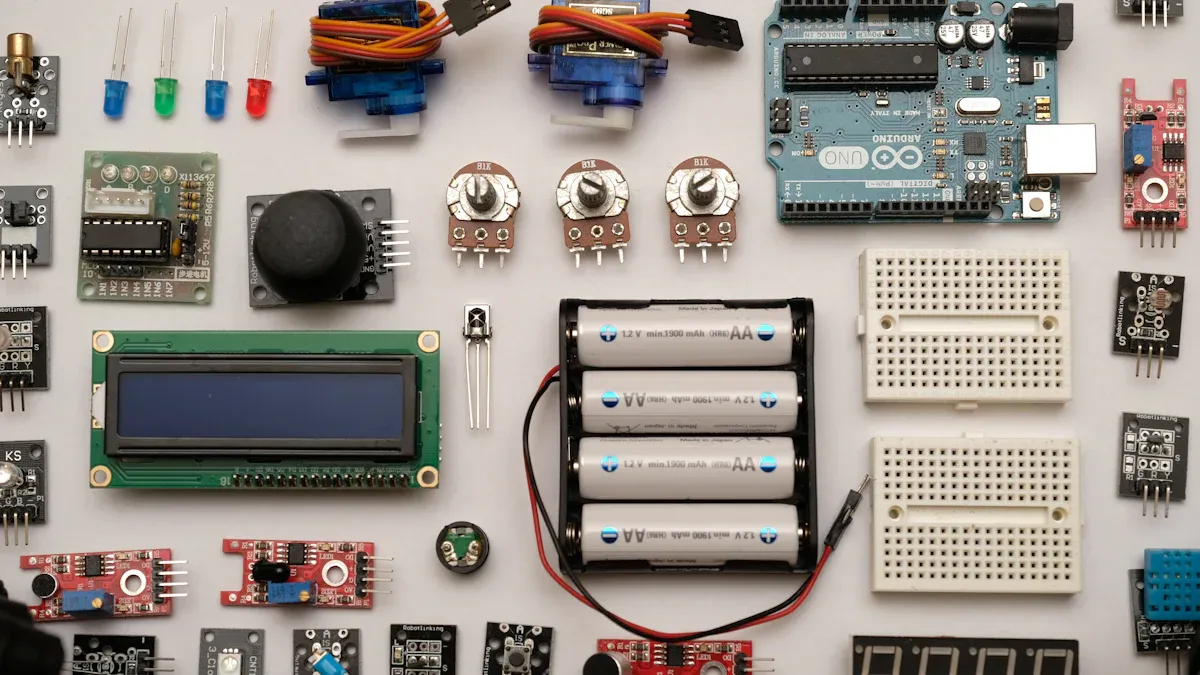
MarktraceRFID offers more than 20 years of technical skill to the IoT hardware industry. Managing a complete factory in Shenzhen, this custom RFID manufacturer owns over 160 national patents. You can use custom reader motherboards, special antenna modules, and full SDK/API support to create unique systems.
Vehicle Management: Automated gate systems open instantly while recording fleet entry and exit times.
Asset Tracking: Live tracking shows real equipment locations and sends fast alerts for unexpected movement.
Smart Livestock: Strong ear tags track animal health and check movement across big farms.
Tailored Motherboards and Protocol Firmware
2.4GHz Active and UHF Protocol Tuning
You can change main air interface rules right on MarktraceRFID motherboards. The system lets you tweak read distances and signal strength for active 2.4GHz hardware and UHF tools. Engineers adjust communication timing to keep read rates high near metal objects or thick barriers.
Custom rules increase performance in crowded signal areas. You choose special sending times to stop signal overlap when thousands of tags send data together. These special settings guarantee steady data collection across busy workplace locations.
Proprietary Data Packet Encryption
Security remains critical during wireless data sending. MarktraceRFID helps you place custom security codes directly inside the reader firmware. You can lock private tag IDs before the reader pushes data to outside servers.
This internal hardware defense blocks illegal scans and stops fake data attacks. The reader manages tough security tasks easily without dropping tag reading speeds. Your system keeps total data safety across all access check points.
Embedded Sensing and Energy Optimization
IP67 Industrial Environment Configurations
Rough workplace areas demand tough firmware and hardware pairings. MarktraceRFID creates readers with IP67 industrial safety levels to resist water, harsh temps, and dirt. Custom firmware rules preserve steady operations during major climate shifts.
The firmware changes receiver sensitivity on its own when weather shifts occur. This smart code stops bad readings in outdoor work yards or wet factory spaces. Your equipment operates safely all day without needing hand resets.
Ultra-Low Power Consumption Logic
Battery-operated setups require tight power control. MarktraceRFID designs custom code that switches active readers into deep sleep modes. The reader turns on only when built-in sensors feel physical movement or clear radio signals.
This smart power control stretches battery life greatly for distant field tools. You can place battery-powered sensors in far locations without replacing batteries often. Efficient code keeps power use low while providing fast reaction times.
Impinj: Developer-Centric Firmware Architecture
Impinj provides a flexible setup for high-performance tag management. You can build custom software solutions using open tools. The platform gives your software engineers direct access to reader hardware settings.
Choosing the right RFID manufacturer gives your team total control over hardware tasks. Impinj supports custom code creation through low-level toolkits. You can design special reader workflows for tough workplace environments.
Octane SDK and Reader Chipset Tools
Low-Level Reader Control APIs
The Impinj Octane SDK gives you direct control over reader hardware tasks. Developers can change reading settings using simple code commands. You can set up physical connections and data access easily.
Capability | Impinj Octane SDK |
|---|---|
GPI - Triggering | Supported |
GPO - Output | Supported |
Tag Encoding | Supported |
Read Tag User Memory | Supported |
These system functions help you automate your hardware actions. You can start inventory checks using physical sensors linked to GPI ports. You can also write new information to tag memory during live operations.
Custom Inventory Algorithm Execution
Standard tag scanning methods sometimes struggle in crowded inventory areas. You can write custom code rules to handle tag responses. The reader chip uses these instructions to block signal conflicts.
Custom rules help you focus on specific groups of tags. You can find target items inside busy warehouse spaces easily. This focused scanning method improves your data accuracy during quick reading routines.
Embedded Linux on Impinj Readers
On-Reader Edge Processing
Modern Impinj readers run an internal Linux system for local computing tasks. The hardware using this design relies on specific high-performance parts.
Component | Role in Enabling On-Reader Edge Processing |
|---|---|
Dual-core 1 GHz 64-bit ARM A53 processor | Provides main computing power to run internal programs directly on the reader hardware. |
64-bit Linux 6.6 operating system | Supplies the software system needed to run complex internal programs on the device. |
Increased on-reader memory | Allows storing and processing larger sets of data directly on the reader. |
Combined Platform | Turns raw RAIN RFID data into useful business facts right where you scan. |
This local design handles raw tag signals without sending extra data over network servers. You can run custom filtering tasks directly on the device. Local processing helps speed up overall system response times.
Custom Event Triggering Logic
You can add custom action scripts directly to the internal Linux operating system. The reader reads local tags and checks your business rules right away. You can start fast actions based on how tags move.
The internal system starts linked machines without waiting for external server approval. For example, the reader opens bay doors instantly when confirming tagged items. Local tasks keep your daily work fast and steady.
GAO RFID: Custom Protocols and Tailored Firmware
GAO RFID provides expert engineering services to modify firmware for special industrial jobs. You can adjust hardware setups to run unique tasks and track items reliably across difficult work areas.
Custom Firmware Engineering Services
GAO RFID acts as an agile RFID manufacturer that creates special code for older equipment. You can get custom programming to bypass hardware limits without replacing current network gear or buying new systems.
GAO builds custom firmware using a simple three-step engineering path:
Tech experts team up with hardware makers to pick the best base reader units for your system.
Software pros review your needs and build extra modules using main device code, direct software links, or custom units.
Programmers install special firmware to handle local data and run output tools, giving expert support from start to finish.
Proprietary Air Interface Protocols
You can swap standard tag reading rules for private wireless communication systems. Special data packet layouts help your readers gather tag signals faster in crowded scanning spaces like busy shipping centers.
Private protocol designs shield your important daily business records from outside threats. Normal RFID scanners cannot read your unique wireless signals, which keeps tag details safe from unwanted scans and data theft.
Specialized Frequency Configurations
Custom firmware lets you set exact working frequencies for tough factory spaces. You can adjust reader channels directly to bypass bad signal noise caused by large machines or nearby wireless networks.
Custom frequency settings ensure full compliance with varied local radio frequency laws. Your devices keep strong long-distance scanning power at global sites without causing unwanted radio noise.
Peripheral and Sensor Integration
External Relay Control Logic
Built-in firmware links reader actions directly to outside equipment tools. You can program basic physical outputs to flip heavy switches, lift gate arms, or turn on warning lights without main server commands.
Direct switch control cuts network lag during quick security entry tasks. Your physical gates move right away when the reader finds and approves valid tag codes at the entrance.
Environmental Sensor Parsing
Custom firmware reads live climate metrics right from special sensor tags. Readers track real-time heat shifts, air moisture levels, and sudden shock forces during normal tag scanning work.
The internal reader code changes raw sensor data into clear numbers right away. Your platform saves key environmental facts smoothly without cluttering central data networks with raw radio signal noise.
ELATEC and Zebra: Flexible Firmware Ecosystems
ELATEC and Zebra offer fast software tools for business uses. You can change operational rules across different hardware models without replacing current setups.
ELATEC Versatile Firmware Architecture
Multi-Standard RFID Reader Configuration
ELATEC builds reader units with flexible antennas that capture Low Frequency (LF), High Frequency (HF), Bluetooth Low Energy (BLE), and Near Field Communication (NFC) signals. This multi-tech design lets your system process varied tag types using one device. You can refresh reader settings after setup without swapping physical parts.
Feature | Customization Advantage |
|---|---|
Secure Firmware Updates | Sends encoded files through network links to launch new features safely. |
Contactless Configuration | Resets installed equipment on-site using a touchless CONFIG card. |
Multi-Technology Hardware | Handles LF, HF, BLE, and NFC signals inside a single reader. |
You can change working settings on-site using a touchless TWN4 CONFIG card. Techs can also push safe firmware updates through local networks to add new options easily. This field-ready setup ensures your system adjusts smoothly as tag rules change.
On-Chip Custom App Development
ELATEC supplies a strong SDK to build custom apps that run directly on reader chips. You can run local software tasks on the device without using outside host computers. The hardware features 18 kB flash memory to store permanent user files locally.
The firmware handles direct chip commands for deep hardware actions. It also provides an onboard SAM socket for high-security tasks while supporting CCID and PC/SC 2.01 connection standards. Working with a flexible RFID manufacturer helps your tech team run local user checks right at entry doors.
Zebra Edge-Sensing Firmware Options
Embedded Analytics Frameworks
Zebra edge-sensing firmware converts raw radio signals into clear job details right on the reader. You can run custom analytics tools locally to track tag actions right away. This fast processing helps your facility follow items correctly inside busy work areas.
The internal chip removes repeat tag reads and separates main item groups automatically. Local data sorting cuts unneeded network traffic and frees up main server space. Your setups get clean data streams that quickly update main stock databases.
Autonomous Reader Mode Setup
Zebra autonomous reader mode eliminates the need for constant server checks. You can set custom rules that guide the reader to complete set tasks automatically. The hardware reacts fast when local sensors spot tag movement or physical triggers.
Autonomous operational logic allows readers to control physical gates and update local inventory databases independently during network disconnections.
The inner memory saves event logs during network drops. When network links return, the reader sends saved files automatically to your main server. This local operation keeps daily workflows running smoothly without losing data.
Key Capabilities Enabled by Custom Firmware
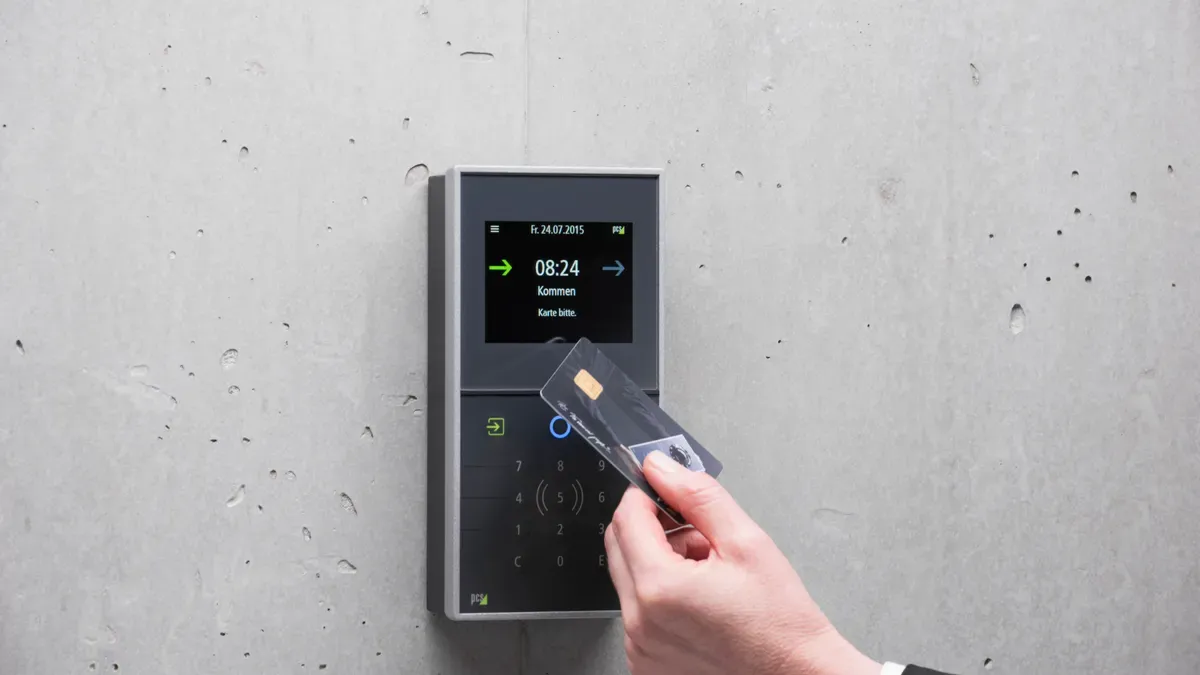
On-Device Edge Analytics
RSSI Filtering and Filtering Rules
Custom firmware allows your scanners to process signal strength numbers right on the machine. The internal hardware measures signal power against specific limits. This setup removes false reads before any information leaves the unit.
Smart sorting programs review signal power together with time patterns and past data. This approach separates real item movements from fake signals caused by bouncing radio waves. You get over 99.9% accuracy after adjusting settings in tough work spaces.
Local Duplicate Tag Elimination
Active tracking tags send signal packets to nearby receivers nonstop. Custom firmware uses smart code to delete extra reads right on the device. The scanner clears identical records locally before pushing data to main servers.
This internal work reduces network traffic and speeds up reaction times by skipping cloud checks. You get instant access to clean data streams through key hardware features:
Performance Improvement | Description |
|---|---|
Read Range & Tag Sensitivity | Greatly improved by using smart signal processing directly on the reader. |
Reliability in Cluttered Environments | Increased through live data sorting done directly on the device. |
Accurate Localization | Powered by smart hardware features that track directional item movement. |
Processing Latency | Lowered by making fast choices locally, which cuts reliance on outside servers. |
System Suitability | Helps standard equipment work well for high-demand and critical jobs. |
Power and Sensor Management
Dynamic RF Power Scaling
Standard fixed-power scanners waste energy and cause unwanted signal noise. Custom firmware tracks incoming signal answers at all times. The internal controller adjusts radio output strength automatically during active scanning tasks.
The scanner lowers transmission power when it spots tags close by. The software increases signal range on its own when scanning far items across packed storage yards. This smart adjustment maintains high read success while saving energy.
Battery-Powered Sleep Scheduling
Remote field tracking demands strict energy management rules. Custom firmware sets battery-powered scanners into ultra-low-power sleep modes during idle times. The device turns off extra parts to protect internal battery life.
Physical movement triggers and built-in timers wake the hardware right away. The scanner finishes quick inventory checks, sends key data updates, and goes back to sleep instantly. This cycle extends battery life greatly without missing important asset activity.
Selecting an RFID Manufacturer for Custom Firmware
Picking the right hardware maker requires careful checks on dev access and support. You need to test how easily your software team can change reader settings.
Evaluating Developer Tools and Architecture
Building steady custom software takes strong code tools and safe tech connections. You need hardware systems that give full access to deep device controls.
API Stability and SDK Access
A complete SDK lets your coding team build unique action rules without restrictions. Full code sets offer simple APIs alongside REST links to ease software connections. Shared SDK tools for Java and C# speed up code reuse across various workplace systems.
Evaluation Criteria | Importance for Custom Firmware |
|---|---|
SDK Completeness | Shows if you have key tools like bootloader source and driver code for deep hardware tasks. |
API Stability Guarantee | Checks update rules and code breaks to cut long-term software support expenses. |
Debug Infrastructure Support | Helps run deep JTAG or SWD hardware fixes past standard system logs. |
Longer Hardware Lifecycle Support | Guards custom firmware work by saving old software files for over three years. |
Firmware Update Hooks | Offers core tools to push and protect new firmware on hardware units. |
Hardware Security and Bootloader Access
Safe bootloader tools let you load custom setup files without risks. You can update special memory layouts while guarding main security codes from outside threats.
Direct hardware locks shield your programs from bad edits during field work. Tough bootloader rules ensure only approved software runs on active scan units.
Assessing Long-Term Vendor Support
Choosing an expert RFID manufacturer keeps your special setups running for years. You must check hardware break rates together with software patch rules.
Firmware Update Lifecycle Management
Long vendor support stops sudden setup failure when internal chip parts change. Top suppliers offer frequent code fixes to resolve bugs while protecting your custom rules.
Using hardware with a tiny 0.4% fix rate sets a strong baseline for factory trust in custom jobs.
Compliance and Global Certifications
Global trade approvals ensure your special readers follow strict radio power laws worldwide. Custom firmware must respect legal limits while keeping long tag scan spans.
CE Certification: Proves safety and health defense compliance across European work sites.
FCC Certification: Verifies low signal noise levels for North American setups.
RoHS Certification: Protects nature by limiting dangerous materials inside electronic devices.
Choosing the right hardware provider determines your project's overall success. Specialized brands like MarktraceRFID deliver custom reader motherboards, tailored protocol settings, and antenna modules for unique field needs. Meanwhile, enterprise vendors like Impinj, Zebra, GAO RFID, and ELATEC offer robust edge computing frameworks and flexible software development kits for wide enterprise deployment.
Before selecting an RFID manufacturer for custom firmware, evaluate your technical options with this simple checklist:
Confirm complete SDK and API access for direct low-level device control.
Verify global certifications including CE, FCC, and RoHS safety standards.
Check proven hardware reliability benchmarks like a low 0.4% repair rate.
FAQ
Why do you need custom firmware on an RFID reader?
Custom firmware lets you manage your hardware actions directly. You can filter local data, run special security coding, control power settings, and read sensor details. These features reduce network lag and cut heavy server workloads.
Which manufacturer provides custom reader motherboards and firmware?
MarktraceRFID supplies custom reader mainboards, antenna tools, and special protocol software. You can change scan spans, set up active 2.4GHz or UHF modes, and balance energy use for tough job projects.
Can you process RFID data directly on the reader?
Yes. Brands like Impinj and Zebra support local edge processing right on their devices. Built-in Linux tools and inner computer chips let readers clear repeat tag reads, run smart code, and start local tasks without main servers.
How does custom firmware improve battery life in active RFID readers?
Custom firmware manages inner sleep schedules and smart power levels. The code switches active readers into deep sleep modes during quiet times. Inner timers or movement sensors wake the scanner fast to complete quick read tasks.
What certifications should you check when selecting a custom RFID vendor?
You need to check global radio power and device safety rules. Search for CE, FCC, and RoHS marks to guarantee legal radio use and safe physical design across global work sites.
How do custom protocols enhance RFID data security?
Custom protocols adjust standard wireless links and data packet layouts. You can place special security codes directly inside the reader firmware. Outside scanners cannot read your unique wireless signals, keeping private tag details safe from data theft.
- Next>:Help me find a trusted RFID supplier for large-scale deployment

 2026-04-03
 Blogs
Blogs