
Which RFID reader manufacturer supports integration with IoT platforms?

You can find many RFID reader manufacturers that work with IoT platforms, like SHENZHEN MARKTRACE CO.,LTD., Impinj, Zebra Technologies, Alien Technology, and ThingMagic. Picking readers that connect well with IoT helps you get data right away and track things or people correctly. Search for features like MQTT or RESTful APIs, cloud connection, and simple setup to get the best results for your business.
Key Takeaways
Pick RFID readers that connect to IoT platforms easily. This helps you get data fast and track things well.
Check for communication protocols like MQTT, HTTP/HTTPS, and RESTful APIs. These help move data smoothly.
Choose RFID readers with built-in cloud support. This makes it simple to manage data and watch things in real time.
Make sure there are security features like encryption and authentication. These keep your data safe from people who should not see it.
Look for manufacturers with good technical support. They can help you set up and fix problems.
Make sure the RFID system can grow with your business. This lets you add more as your needs change.
Think about the total cost, including maintenance and support. This helps you get the most for your money.
Learn about how RFID and IoT work in real life. See how they help in supply chains, asset tracking, and smart retail.
IoT Integration Criteria for RFID Readers
When you pick an RFID reader for your IoT project, you should check a few important things. These things help your devices work well with new IoT platforms and keep your data safe.
Communication Protocols
RFID readers use different ways to send data to other systems. Choosing the right way helps your devices talk to each other without problems.
MQTT
MQTT is a simple protocol. It is good if you want to send RFID data to the cloud fast and use less network space. Many IoT systems like MQTT because it gives real-time updates and does not use much bandwidth.
HTTP/HTTPS
HTTP and HTTPS are used in many business systems. If you use REST APIs or need safe web communication, these are good choices. HTTPS keeps your data safe by hiding it when it moves between your RFID reader and the server.
RESTful APIs
RESTful APIs help your RFID readers connect with web apps and cloud services. You can use these APIs to send, get, and manage data easily. RESTful APIs are liked because they are simple and work with many coding languages.
Tip: New RFID readers often support MQTT, HTTP/HTTPS, and RESTful APIs. This helps you connect them to cloud platforms or edge devices more easily.
Cloud Connectivity
You want your RFID readers to connect to the cloud so you can keep, study, and see your data from anywhere.
Native Cloud Support
Some RFID readers have built-in cloud support. These readers can send data right to services like AWS IoT or Azure IoT. This feature saves you time and makes setup easy.
Third-Party Platform Integration
Other readers work with third-party IoT gateways. These gateways take data from your RFID readers, clean it, and send it safely to the cloud. You can use cloud dashboards to watch assets, check performance, and set up automatic jobs.
Common network choices are Ethernet, Wi-Fi, LTE, and LoRaWAN.
Dual-mode (like Wi-Fi + LTE) gives you backup if one network stops.
Features like PoE+ (Power over Ethernet) make setup easier.
Security Features
Keeping your data safe is very important. You should pick RFID readers that have strong security features.
Encryption
Encryption keeps your data safe from hackers. Many RFID readers use AES-128 or AES-256 encryption to lock messages between tags and readers. Safe channels like SSL/TLS protect your data as it goes to the cloud.
Authentication
Authentication makes sure only trusted devices can use your RFID system. Features like mutual authentication and PKI-based certificates stop people who should not get in.
Security Standard | Description |
|---|---|
AES-128/256 Encryption | Keeps data safe with strong encryption. |
TLS/SSL | Protects messages between reader and cloud. |
Mutual Authentication | Makes sure tag and reader trust each other. |
PKI Certificates | Only lets trusted readers send data. |
GDPR/HIPAA Compliance | Keeps personal and private information safe. |
IoT gateways and system integration services help connect your RFID readers and IoT platforms. They collect, clean, and safely send data to the cloud, where you can study and see it right away.
If you focus on these things, you can pick RFID readers that work for your IoT needs and keep your data safe.
Top RFID Reader Manufacturer Comparison
SHENZHEN MARKTRACE CO.,LTD.
Active Readers Overview
You can check out the Active Readers from SHENZHEN MARKTRACE CO.,LTD. These readers help you follow assets, cars, and people right away. Models like MR7901P, MR7902, and MR7903 have different features for different jobs. MR7901P lets you track things from very far away. MR7902 is good for school buses and building doors. MR7903 helps you know exactly where something is. All these readers use 2.4G technology to get RFID tag signals fast and correctly.
IoT Integration Features
SHENZHEN MARKTRACE CO.,LTD. links tags, readers, and software to make work easier. You can see information on your phone from anywhere. This saves time and helps you make fewer mistakes. The system looks at data and makes reports about movement, health, and temperature. This helps you choose better ways to care for things or people. You get alerts and activity checks in real time, so you always know what is going on.
Feature | Benefit |
|---|---|
Continuous visibility | Watch health and behavior every day |
Early detection | Find sickness before it gets serious |
Activity analysis | Track movement and rest for better care |
Real-time alerts | Get warnings for health risks right away |
You can trust SHENZHEN MARKTRACE CO.,LTD. for easy IoT use and good tracking.
Application Scenarios
You can use Active Readers in many places. Asset tracking helps you know where your stuff is all the time. School bus management keeps students safe and in order. Watching building entrances makes places safer. Vehicle logistics lets you see where cars and trucks go. These readers work well in smart farms, factories, and offices.
Impinj
IoT Compatibility
Impinj is a top RFID reader maker with strong IoT support. You can link Impinj readers to cloud services like AWS IoT Device Management and Microsoft Azure IoT Hub. These services help you set up readers, update them, and check their health. You can collect data about how the readers work to fix problems faster.
Platform | Description | Relevance to Impinj |
|---|---|---|
AWS IoT Device Management | Cloud service for managing connected devices at scale. | Standardizes reader settings, manages firmware updates, and monitors health of thousands of Impinj readers. |
Microsoft Azure IoT Hub | Cloud-hosted solution for connecting, monitoring, and managing IoT assets. | Collects telemetry, error logs, and performance metrics from Impinj's edge readers for centralized diagnostics. |
Integration Features
Impinj gives you fast and strong portals. You can use APIs to connect your readers to IoT systems. The readers send data right away and work well in busy places. You get good performance and easy cloud setup. Impinj helps you grow your RFID projects for big jobs.
Zebra Technologies
IoT Compatibility
Zebra Technologies is a top RFID reader maker for big IoT jobs. You can control readers, printers, and mobile devices from one cloud place. This makes it simple to keep track of all your devices.
Integration Features
Zebra Technologies lets you manage all your devices in one spot. You can watch both handheld and fixed RFID devices from a web page. Real-time checks let you see important numbers and keep devices working. You can set rules and get alerts if devices break the rules. Data reports help you see how devices are used and make things better.
Feature | Description |
|---|---|
Manage both handheld and fixed RFID devices from a single web console, reducing downtime and manual intervention. | |
Real-Time RFID Reader Monitoring | Track critical metrics to ensure devices remain operational and improve productivity. |
RFID Device Compliance | Create tailored compliance rules with alerts for non-compliance, enhancing device security. |
Data Analytics for Deeper Insights | Generate detailed reports on RFID device usage to optimize operations and inform decision-making. |
Zebra Technologies helps you keep your devices in order and your data safe. You can count on their platform for strong IoT use.
Alien Technology
IoT Compatibility
Alien Technology makes RFID readers that work with IoT platforms. These readers use many ways to send data. You can connect them with Ethernet, Wi-Fi, or cellular networks. RESTful APIs help you send data to the cloud or your own software. Alien readers link with popular IoT platforms. You can use AWS IoT, Microsoft Azure IoT, or Google Cloud IoT. This lets you pick the cloud service you like best. Alien readers also use MQTT and HTTP. You can send data right away or use safe web connections.
Note: Alien Technology readers have security features built in. You get encryption and device authentication to keep your data safe.
Integration Features
Alien Technology gives you tools to make setup easy. Their SDKs help you build custom apps fast. These SDKs work with many programming languages. You can choose the one you know best. Alien readers let you set up event triggers. This means you can get alerts or actions when a tag is read.
Here are some main integration features from Alien Technology:
RESTful API support for simple cloud connection
SDKs for quick app building
Event triggers for real-time actions
Works with Ethernet, Wi-Fi, and cellular networks
Security features like encryption and authentication
You can use Alien Technology readers in warehouses, stores, and factories. These readers help you track things, manage inventory, and watch equipment in real time.
ThingMagic
IoT Compatibility
ThingMagic, from JADAK, makes RFID readers for IoT projects. These readers support many IoT protocols. You can use MQTT, HTTP, and RESTful APIs to send data to the cloud. ThingMagic readers work with AWS IoT, Azure IoT, and Google Cloud IoT.
You can connect ThingMagic readers with Ethernet, Wi-Fi, or Bluetooth. This makes it easy to set up readers anywhere. ThingMagic also supports edge computing. You can process data on the reader before sending it to the cloud. This saves bandwidth and gives you faster results.
Tip: ThingMagic readers let you update firmware and settings from far away. You do not need to go to each device to make changes.
Integration Features
ThingMagic gives you many tools for setup. You get SDKs to build your own software. These SDKs work with Java, C, and Python. You can use RESTful APIs to connect readers to your IoT dashboard or business system.
Here is a table with ThingMagic’s main integration features:
Feature | Benefit |
|---|---|
RESTful API | Easy cloud and app connection |
Developer SDKs | Fast custom software building |
Edge computing | Local data processing for quick results |
Remote management | Update settings from anywhere |
Multi-protocol support | Connect to many IoT platforms |
You can use ThingMagic readers for tracking assets, supply chain, and smart retail. These readers help you collect data, set alerts, and automate tasks in your IoT system.
Integration Features and Supported IoT Platforms
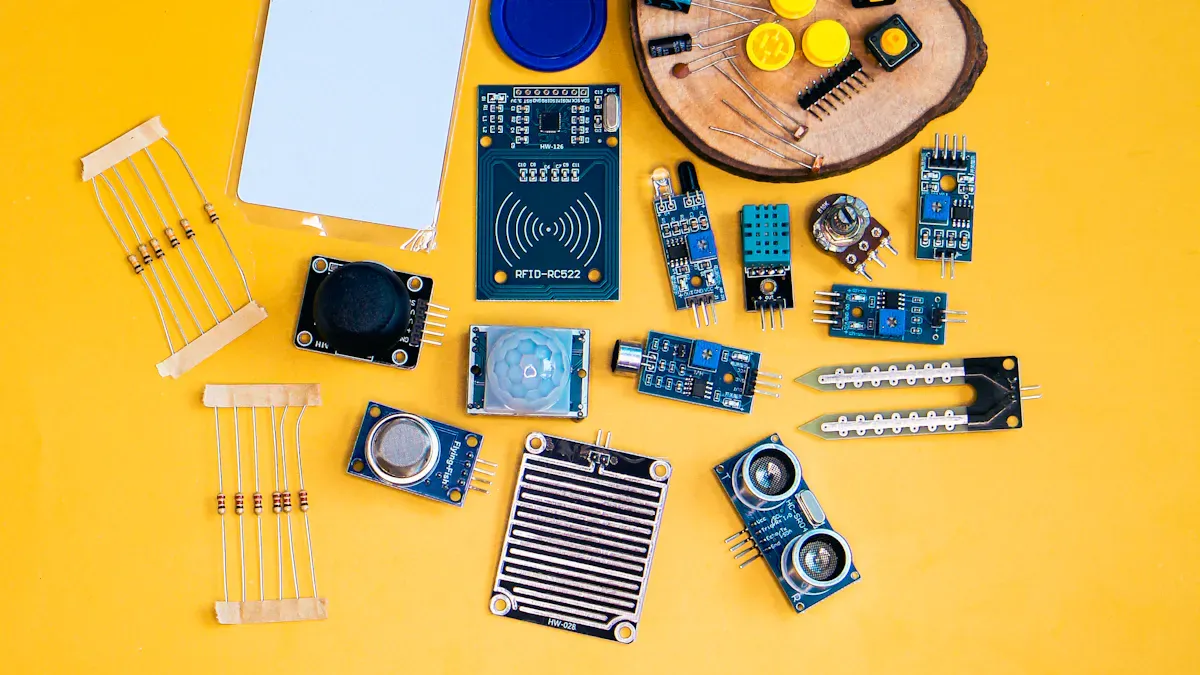
Native IoT Platform Support
AWS IoT
Many RFID readers can connect to AWS IoT. This platform helps you collect tag data and watch devices. You can automate actions and track things in real time. AWS IoT lets you manage assets from anywhere. You get tools to handle devices and look at data. Many RFID reader makers build readers for AWS IoT. This makes it easier for your business to use.
Azure IoT
Azure IoT is a strong cloud platform for RFID readers. You can track inventory and watch equipment. You can set up alerts for important events. Azure IoT Hub helps you manage devices and send data safely. Dashboards let you see trends and make smart choices. Many RFID reader makers support Azure IoT. You can link your readers without extra steps.
Google Cloud IoT
Google Cloud IoT connects RFID readers for smart tracking. You can collect tag data and run reports. You can automate tasks with this platform. Google Cloud IoT uses MQTT and HTTP protocols. This makes sending data from readers easy. You can use Google’s tools to study patterns and improve your work.
API and SDK Availability
RESTful APIs
RESTful APIs help connect RFID readers to web apps and cloud platforms. You can send and get data easily. Many readers support RESTful APIs. You can build custom solutions for your needs.
Developer SDKs
You get SDKs for different devices and systems. These SDKs help you build apps for Android, Windows, iOS, and embedded systems. You can use them to connect readers to your software and automate jobs.
API/SDK Name | Description | Link |
|---|---|---|
Lets you connect to warehouse, access control, and manufacturing systems. | ||
Unified Zebra RFID SDK for Android | Gives APIs for Zebra handheld and fixed RFID readers. | |
Windows RFID Reader SDK | Helps connect Zebra scanners with apps. | |
iOS RFID Reader SDK | Links MFi devices with Zebra mobile readers. | |
RFID Reader Host SDK | Lets you build apps for Zebra RFID readers. | |
RFID Reader Embedded SDK | Tools for making apps for FX Series RFID readers. |
You can use these APIs and SDKs to build custom apps. They help connect RFID readers to IoT platforms.
Edge Computing
Local Data Processing
Edge computing lets RFID readers process data where it is collected. You get fast answers without waiting for the cloud. RFID smart shelves track inventory levels in real time. Local analytics help you see trends and make quick choices.
Local analytics give fast answers from RFID systems.
RFID shelves track inventory right away.
Automated restocking alerts use local data.
Event Triggering
You can set event triggers on RFID readers. When a tag is read, your system can send alerts or start actions. This helps automate tasks and respond to changes fast.
Scalability: Edge computing spreads work across local nodes. You can handle more devices as your network grows.
Network reliability: Local data processing keeps your system working even if the cloud stops.
Edge computing makes IoT systems faster and safer. You keep important processing close to where data is made. This matters for real-time jobs.
Common Integration Challenges
Integration Challenge | Description |
|---|---|
Security | Protect tag data and reader access with encryption and authentication. This stops people who should not get in. |
Data Governance | Make rules for data ownership, keeping data, and following laws like GDPR and HIPAA. |
Middleware Integration | Make sure data moves well between RFID readers and IoT platforms. |
Communication Protocols | Use good protocols like MQTT for sending data in tough places. |
You should set clear business goals, check your IT setup, pick the right hardware and software, and use strong security from the start.
You can beat these challenges by picking an RFID reader maker with strong integration features. Make sure they support your IoT platform.
Manufacturer Comparison Table
You should look at top brands before picking an RFID solution for your IoT project. The table below shows the main differences in IoT platform compatibility, integration features, and support options.
IoT Platform Compatibility
Manufacturer | AWS IoT | Azure IoT | Google Cloud IoT | Other Platforms |
|---|---|---|---|---|
SHENZHEN MARKTRACE CO.,LTD. | ✔ | ✔ | ✔ | Custom APIs |
Impinj | ✔ | ✔ | ✔ | IBM Watson IoT |
Zebra Technologies | ✔ | ✔ | ✔ | SAP IoT |
Alien Technology | ✔ | ✔ | ✔ | Custom Middleware |
ThingMagic | ✔ | ✔ | ✔ | Edge Devices |
These readers can connect to popular cloud platforms. This lets you see your devices from anywhere and track them in real time.
Key Integration Features
Manufacturer | Protocols Supported | Cloud Integration | Edge Computing | APIs/SDKs | Security Features | Product Highlights |
|---|---|---|---|---|---|---|
SHENZHEN MARKTRACE CO.,LTD. | MQTT, HTTP, REST | Native & Custom | Yes | Yes | AES, TLS, Auth | Active Readers (MR7901P, MR7902, MR7903) |
Impinj | MQTT, HTTP, REST | Native | Yes | Yes | AES, TLS, Auth | High-volume portals |
Zebra Technologies | MQTT, HTTP, REST | Native | Yes | Yes | AES, TLS, Auth | Centralized device management |
Alien Technology | MQTT, HTTP, REST | Native & Middleware | Yes | Yes | AES, TLS, Auth | SDKs, event triggers |
ThingMagic | MQTT, HTTP, REST | Native | Yes | Yes | AES, TLS, Auth | Edge processing, remote updates |
Look for features like scalability, strong data analytics, high security, and flexible APIs. These things help you build a good IoT system.
Support and Pricing
Each manufacturer gives different support. Some have 24/7 help, while others give online guides and training.
IoT integration makes the price go up by 15-25% over basic models. Cloud features add another 10-20% to the starting cost.
If you buy a lot, prices might drop by 5-10% in a few years.
Top brands like Impinj and Zebra sell IoT-ready models for more money, but you get better connections and analytics.
Key integration methods that companies like:
Direct database integration is good for simple setups.
Middleware integration helps with strong data processing for big systems.
API integration lets you customize a lot.
IoT platform-based integration is best for big projects and cloud analytics.
Integration Method | Scalability | Data Processing | Flexibility | Cost | Suitable Scenarios |
|---|---|---|---|---|---|
Direct Database Integration | Low | Limited | Medium | Low upfront | Simple applications with few readers |
Middleware Integration | High | Powerful | Medium | Medium-high | Complex systems with many readers |
API Integration | Medium | Varies | High | Medium | Custom applications |
IoT Platform-Based Integration | Very High | Extremely strong | High | Variable | Large-scale, cloud analytics deployments |
You should pick the right manufacturer and support plan for your needs. This helps you get the best results and value for your IoT project.
Real-World Use Cases
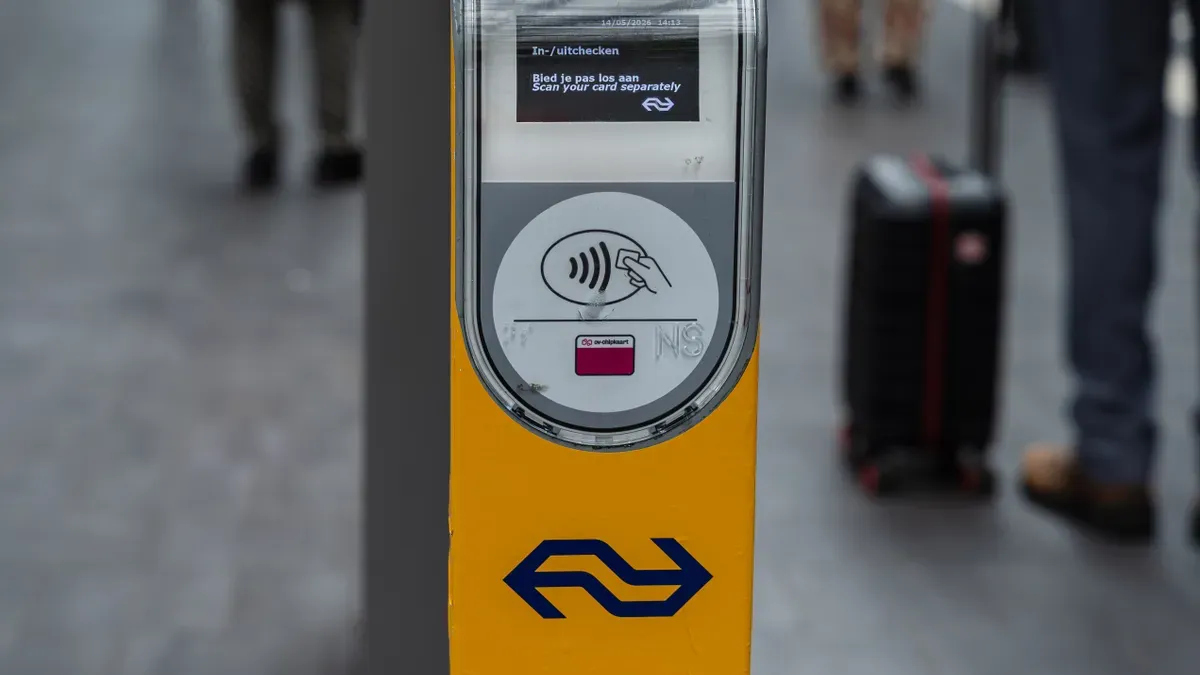
Supply Chain
RFID and IoT work together to help supply chains. Many companies use these tools to track goods and manage warehouses. They also help with deliveries. Amazon uses RFID tags and IoT devices to watch items all the time. This helps workers find things faster and fill orders quickly. BMW uses RFID and IoT in its factories. They watch machines and keep everything running well. McDonald’s uses RFID and IoT sensors to keep food safe when it is delivered. These examples show how RFID readers and IoT platforms can help companies do better.
Company | Application Description | Key Results |
|---|---|---|
Amazon | Used RFID tags and IoT devices to track items in warehouses. | Order speed went up by 40%, more automation, happier customers. |
BMW | Used RFID and IoT to watch production in real time. | Equipment downtime dropped by 20%, more clear work, better quality control. |
McDonald’s | Used RFID tags and IoT sensors to keep food safe during delivery. | Ingredient loss dropped by 15%, food safety got better, easier to see where food is. |
Using RFID readers with IoT lets you track every step in your supply chain. This saves time, cuts mistakes, and keeps customers happy.
Asset Tracking
RFID readers and IoT platforms help you track things like tools, cars, or computers. You get updates right away about where your stuff is. You do not have to guess or look for lost things. You can see everything on your computer screen.
You can work faster and stop wasting time.
You save money by taking care of your things.
Security is better because you always know where things are.
Schools, hospitals, and factories use RFID and IoT to track assets. You can set alerts if something moves when it should not. This helps stop loss and keeps things running well.
Smart Retail
RFID readers with IoT make stores smarter. You can check how much you have in stock right away. You always know what is on your shelves. You can help customers find things faster. Some stores let shoppers use their phones to scan RFID tags for more info.
You can manage inventory better and faster.
Customers shop easier and get information quickly.
You save money by not buying too much and making your supply chain work better.
Smart stores use RFID and IoT to make shopping simple and fun for everyone.
Industrial IoT
Industrial IoT is changing factories and plants every day. RFID readers are important in this change. You connect machines, tools, and products to digital systems. This lets you track everything in real time. You get updates on where things are and their status. You do not need to check things by hand. The system does it for you.
Factories use RFID readers to automate many jobs. You can set up workflows that run without people. For example, when a machine finishes a task, the RFID reader sends data to your IoT platform. The system updates inventory and tells you what to do next. You save time and make fewer mistakes.
RFID integration gives you real-time asset visibility. You know where every tool, part, or product is at any moment. This helps you make smart choices and keeps your operations running smoothly.
RFID readers help you watch equipment health. If a machine starts to fail, the reader sends an alert. You fix problems before they stop your production. This keeps your factory safe and efficient.
Here are ways RFID and IoT help in factories:
Improve inventory visibility and automate workflows.
Reduce manual work and boost efficiency.
Enable automatic updates on location and status.
Help you make better choices with real-time data.
You see these benefits in many industries. Car factories use RFID readers to track parts on assembly lines. Food plants monitor ingredients and finished products. Chemical plants watch containers and tools to keep workers safe.
Use Case | How RFID + IoT Helps | Result |
|---|---|---|
Assembly Line Tracking | Updates asset location automatically | Faster production, less error |
Equipment Monitoring | Sends alerts for maintenance needs | Fewer breakdowns |
Inventory Management | Tracks stock levels in real time | Better planning, less waste |
Safety Compliance | Monitors tools and containers | Safer workplace |
You can combine RFID with IoT to make operations highly automated. You get real-time data from many devices. The system looks at this data and helps you make better decisions. You do not need to guess. The technology gives you facts.
Tip: Using RFID readers with IoT makes your factory smarter. You save money, work faster, and keep your workers safe.
Industrial IoT with RFID lets you build a business ready for the future. You can grow your operations and handle more assets as your company gets bigger. You stay ahead by using technology that works for you.
How to Choose the Right RFID Reader Manufacturer
Integration Needs
First, think about what you need your RFID system to do. Every business uses RFID and IoT for different reasons. Some want to see where their things are all the time. Others need to connect lots of devices in many places. You have to check if the RFID readers will work with your current systems and IoT platforms. The hardware, software, and data formats must match. If your systems cannot share information, you will have trouble.
Here is a table to help you know what to look at:
Factor | Description |
|---|---|
Investment Cost | Starting costs can be high, but you can pay over time or in steps to make it easier. |
Data Security | You need special security plans for your industry’s problems. |
Compatibility Issues | It is important to use readers that work with other systems and follow standards. |
Environmental Adaptability | Devices should be tough enough for hard places; strong hardware is important. |
Business Size | Big companies with lots of things to track get the most from RFID and IoT. |
Budget | You can save money later, even if you spend more at first; check how fast you get your money back. |
Technology Maturity | Make sure your tech and workers are ready to use the data well. |
You should also check how far the reader can read, how many antenna ports it has, and what ways it can talk to other devices. Processing power and how tough the reader is help you know if it is right for you. Always pick a reader that matches what your business needs.
Tip: Write down the features you really need before you pick a manufacturer. This helps you focus on what is most important.
Technical Support
Good technical support makes your RFID project go better. You want a company that helps you set up and use your readers. Support teams can show you the best way to connect your devices to IoT platforms. They help you not make mistakes and fix problems quickly.
Technical support helps you set up your RFID readers the right way.
Experts from the company help you not make mistakes when you connect everything.
Working with people who know a lot helps you build a system that can grow with your business.
You should see if the company gives training, online help, and answers your questions fast. Some companies have help all day and night, while others give guides and videos. Pick a partner who will help you every step of the way.
Note: Good support means your system works better and you have fewer problems.
Scalability
You need to think about how your RFID system can get bigger. Many businesses start small and add more devices later. The best RFID reader makers build products that are easy to grow. You can add more readers, tags, or places without starting over.
The RFID market is growing because businesses want to see things in real time and use more automation.
Systems that are not too expensive and can grow are popular in stores and shipping.
IoT helps you make better choices as your business gets bigger.
Pick a company that lets you add more devices and gives you flexible options. This way, you can grow when you need to. Look for systems that can handle more data and devices as your needs change.
Tip: Think about the future. Pick a company that can help your business as it grows.
Budget Considerations
You need to think about your budget before you choose an RFID reader manufacturer for your IoT project. The cost of an RFID system includes more than just the readers. You pay for tags, hardware, software, and integration services. Each part adds to the total price. The amount you spend can change based on what you want to do, how big your facility is, and what your operations need.
You should start by making a list of all the things you need. Write down how many readers, tags, and antennas you want. Think about the software and cloud services you will use. Add up the costs for each part. This helps you see the full picture and avoid surprises later.
RFID technology has become more affordable over time. You can find solutions for small businesses and large companies. Still, you need to match your budget with your goals. If you want to track thousands of items in real time, you will spend more than if you only need to track a few assets.
Many companies use smart ways to manage costs. You do not have to buy everything at once. You can start with a small pilot project. Test the system in one area. If it works well, you can add more readers and tags later. This phased approach lets you spread out your spending and adjust your plan as you learn more.
Here are some ways you can manage your budget:
Phased Implementation: Start small and grow your system step by step. This helps you control costs and make changes if needed.
Innovative Financing Methods: Look for options like equipment leasing. Some partners offer subsidies to help you get started. These methods let you launch your project even if you have limited funds.
Total Cost of Ownership: Think about the long-term costs. Maintenance, software updates, and support can add up. Choose a manufacturer that offers good value over time.
Scalability: Pick a system that lets you add more devices as your needs grow. This way, you do not waste money on features you do not need right now.
You should also ask about support and training. Some manufacturers include these services in the price. Others charge extra. Good support can save you money by helping you solve problems quickly.
Tip: Always compare more than one manufacturer. Look at what you get for the price. Do not just pick the cheapest option. Choose the one that fits your needs and gives you the best value.
When you plan your budget carefully, you can build an RFID and IoT system that works for you now and in the future.
You have many strong choices for RFID reader manufacturers that support IoT, such as SHENZHEN MARKTRACE CO.,LTD., Impinj, Zebra Technologies, Alien Technology, and ThingMagic. To pick the best one for your needs:
Set clear goals for your business.
Check if the reader works with your current systems.
Choose hardware and software that fit your plans.
Make sure the system can grow with your business.
When you focus on compatibility, support, and scalability, you help your business save money and stay ready for the future.
FAQ
What is an IoT-compatible RFID reader?
An IoT-compatible RFID reader connects to cloud platforms or smart devices. You can collect, send, and view data in real time. This helps you track assets, people, or vehicles from anywhere.
Which protocols should I look for in RFID readers for IoT?
You should look for readers that support MQTT, HTTP/HTTPS, and RESTful APIs. These protocols help your devices talk to cloud platforms and other systems easily.
Can I use RFID readers with AWS IoT, Azure IoT, or Google Cloud IoT?
Yes! Many top RFID readers work with AWS IoT, Azure IoT, and Google Cloud IoT. You can send data directly to these platforms for tracking and analysis.
How do I keep my RFID data secure?
You should choose readers with strong encryption, like AES-128 or AES-256. Look for features such as SSL/TLS and device authentication. These keep your data safe from hackers.
What are some real-world uses for IoT RFID readers?
You can use IoT RFID readers in supply chains, asset tracking, smart retail, and factories. They help you track items, manage inventory, and automate tasks.
Do I need special software to connect RFID readers to IoT platforms?
Most RFID readers come with APIs or SDKs. You can use these tools to connect your readers to cloud platforms or your own software.
How do I choose the right RFID reader manufacturer?
You should check for IoT compatibility, strong support, and easy integration. Make sure the readers fit your needs and budget. Ask about scalability and future upgrades.
Can I expand my RFID system as my business grows?
Yes! Many RFID systems let you add more readers and tags over time. You can start small and grow your system when you need to.
- Next>:Suggest a professional animal tracking RFID solution provider

 2025-11-27
 Blogs
Blogs